Choosing the Right Substrate for Your Aquarium: A Practical Guide
Most aquarium beginners spend hours choosing fish and decorations, then grab whatever bag of gravel looks good at the store. That single decision quietly shapes everything else — plant health, fish behavior, water chemistry, even how easy the tank is to clean six months later. Getting it right from the start saves a lot of headaches.
Why Substrate Matters More Than You Think
Aquarium substrate does far more than fill the bottom of your tank. It influences water chemistry, supports beneficial bacteria colonies, affects how bottom-dwelling fish behave, and determines whether live aquatic plants can root and thrive.
The gravel or sand at the bottom is where a significant portion of your tank's biological filtration actually lives. Beneficial bacteria colonize the substrate surface, breaking down fish waste and completing the nitrogen cycle. A bare-bottom tank can cycle, but it loses this surface area advantage.
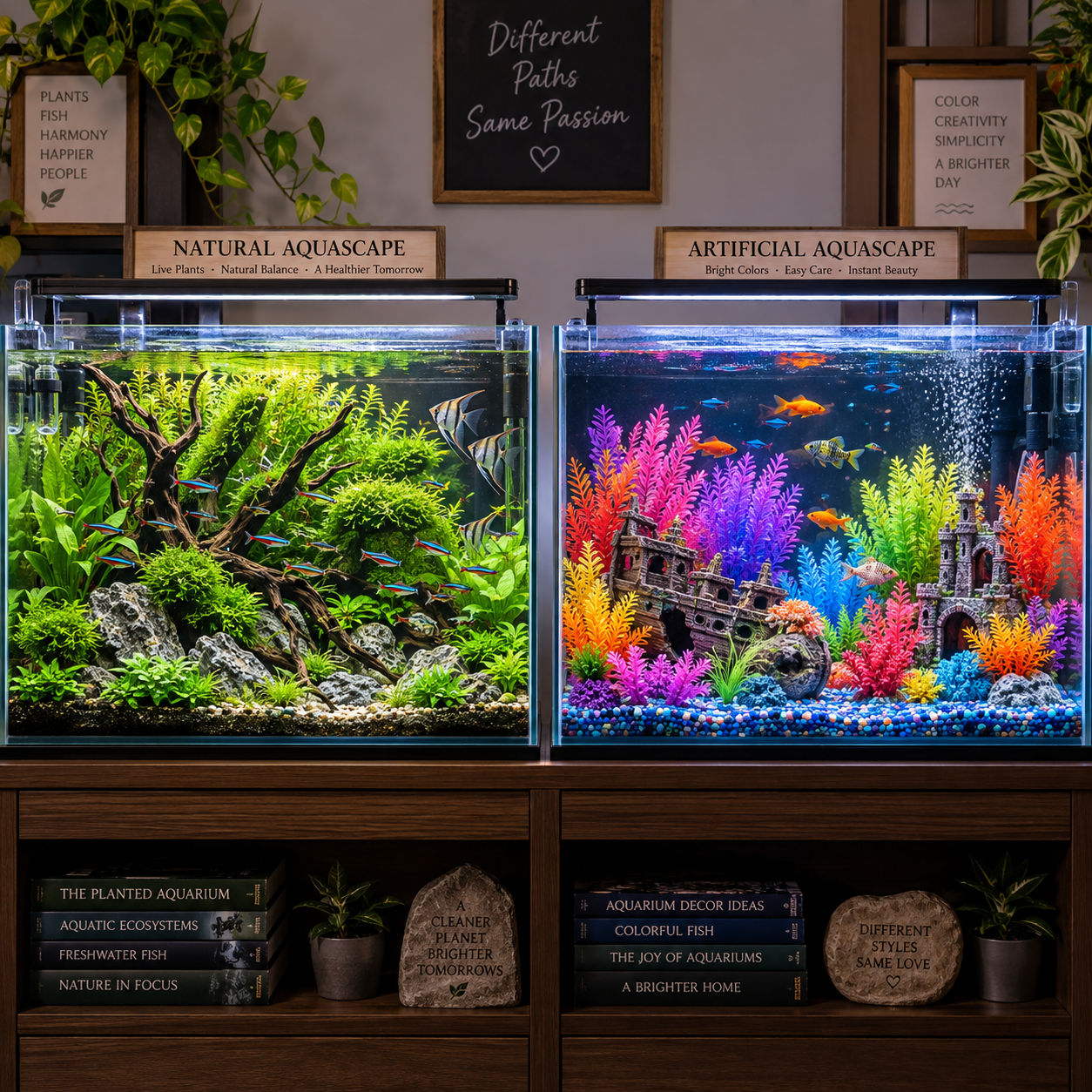
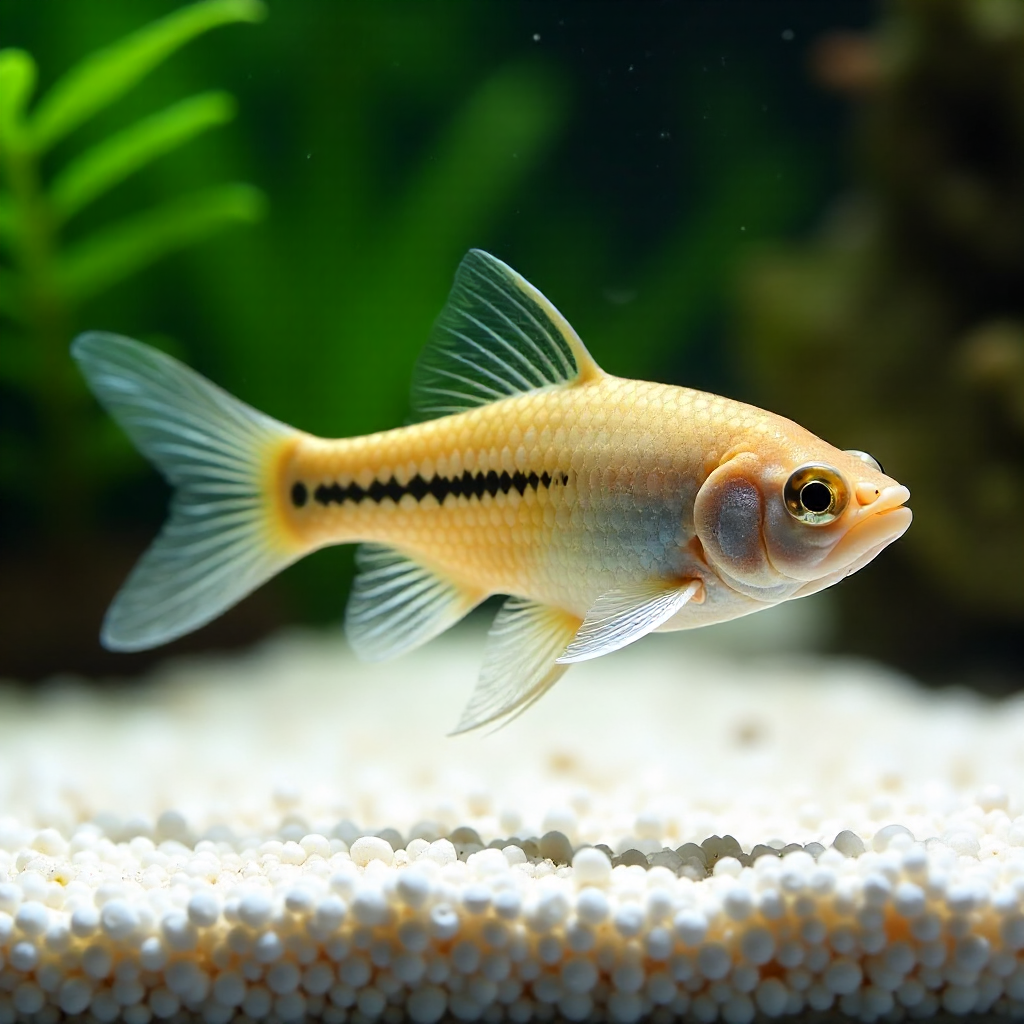
Beyond biology, substrate shapes the entire visual identity of a tank. A dark, fine sand bed makes fish colors pop dramatically compared to pale coarse gravel. And for bottom-dwelling species like corydoras, the physical texture isn't cosmetic — it directly affects their health. So the decision is always functional and aesthetic at once.
The Main Types of Aquarium Substrate
There are five substrate categories worth knowing, each with distinct strengths and real limitations.
- Gravel: The most common choice. Available in dozens of sizes and colors, inert gravel won't affect pH or water hardness. It's easy to vacuum, supports decent bacterial colonies, and works for most community fish tanks. The downside is that it's too coarse for many burrowing species and provides little nutrition for plants.
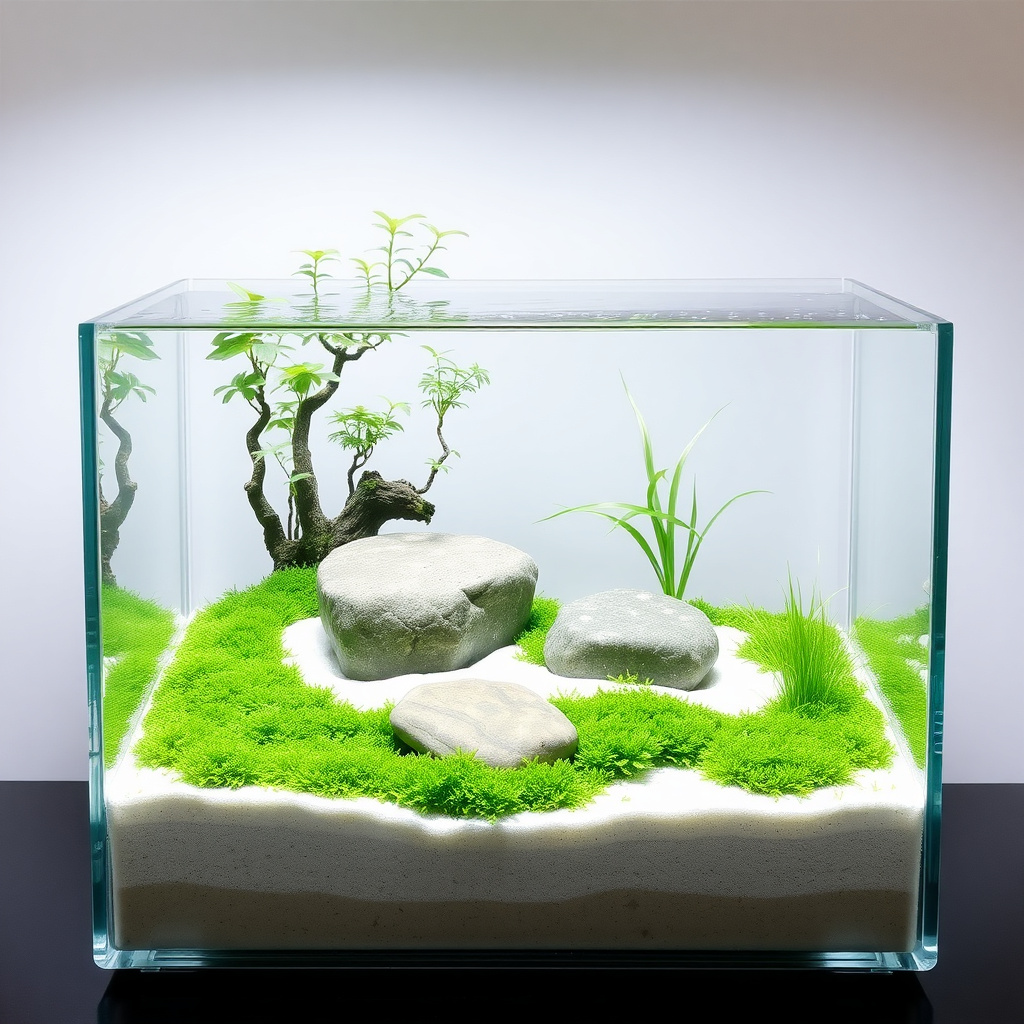
- Aquarium sand: Finer and more natural-looking than gravel. Excellent for bottom-dwellers and creates a cleaner aesthetic. It compacts more easily, which requires occasional stirring to prevent anaerobic pockets from forming in deeper layers.
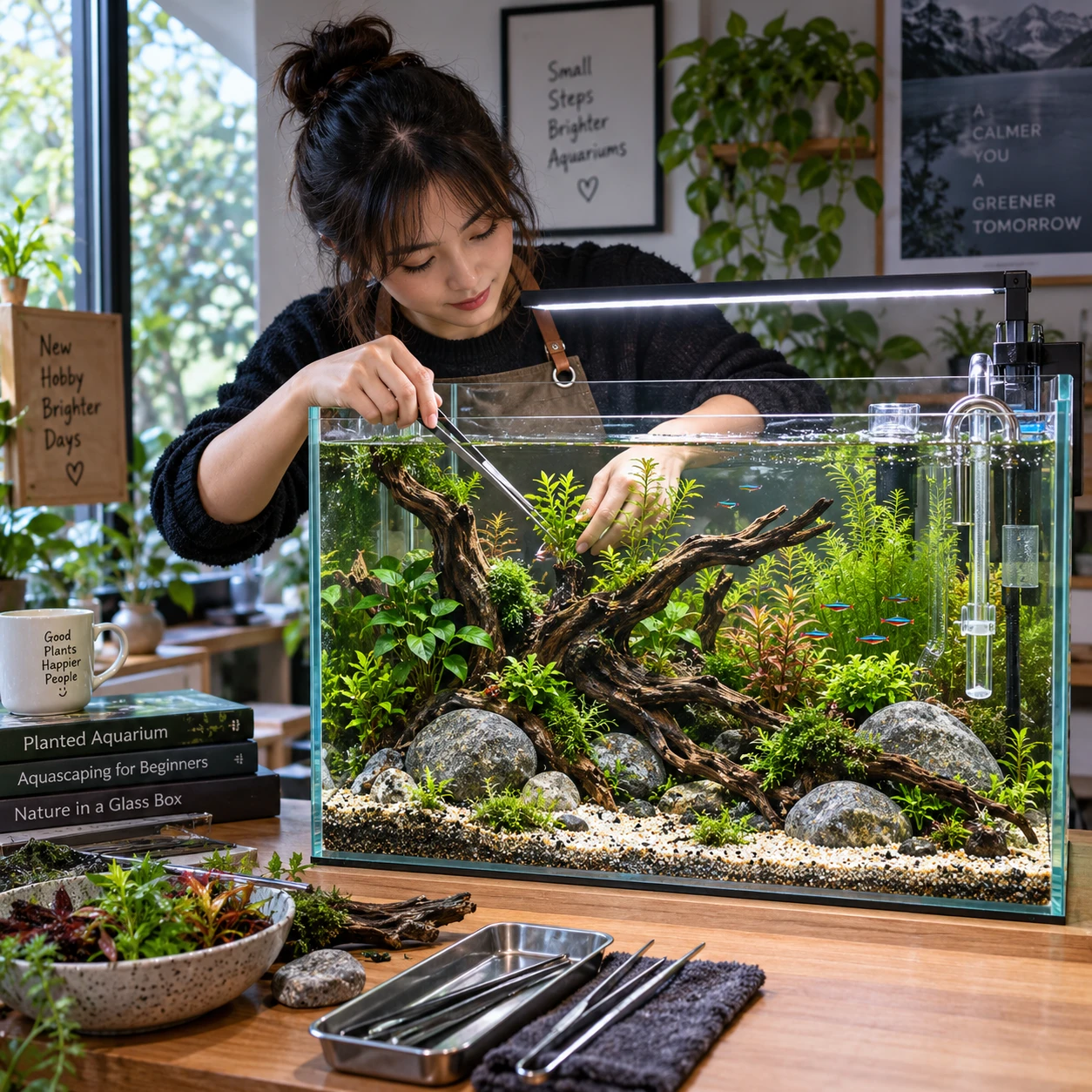
- Nutrient-rich soil / planted tank substrate: Specifically designed to feed live aquatic plants through the root zone. These substrates are softer, often darker, and release nutrients over time. They're the backbone of any serious planted tank but typically cost more and can temporarily cloud water during setup.
- Crushed coral: A specialized substrate that steadily raises pH and carbonate hardness. Not suitable for most community tanks, but ideal for African cichlids, certain livebearers, and marine setups that need alkaline, hard water conditions.
- Bare bottom: No substrate at all. Common in hospital tanks, breeding setups, and some cichlid tanks where cleanliness is the priority. Easier to clean, but visually stark and lacking the biological surface area that substrate provides.
The right starting point is always the same: define your tank type first, then let that choice drive the substrate decision.
Matching Substrate to Your Fish and Invertebrates
Species requirements should be the primary filter when selecting substrate. The physical and chemical properties of your substrate directly affect the health of bottom-oriented fish and invertebrates.
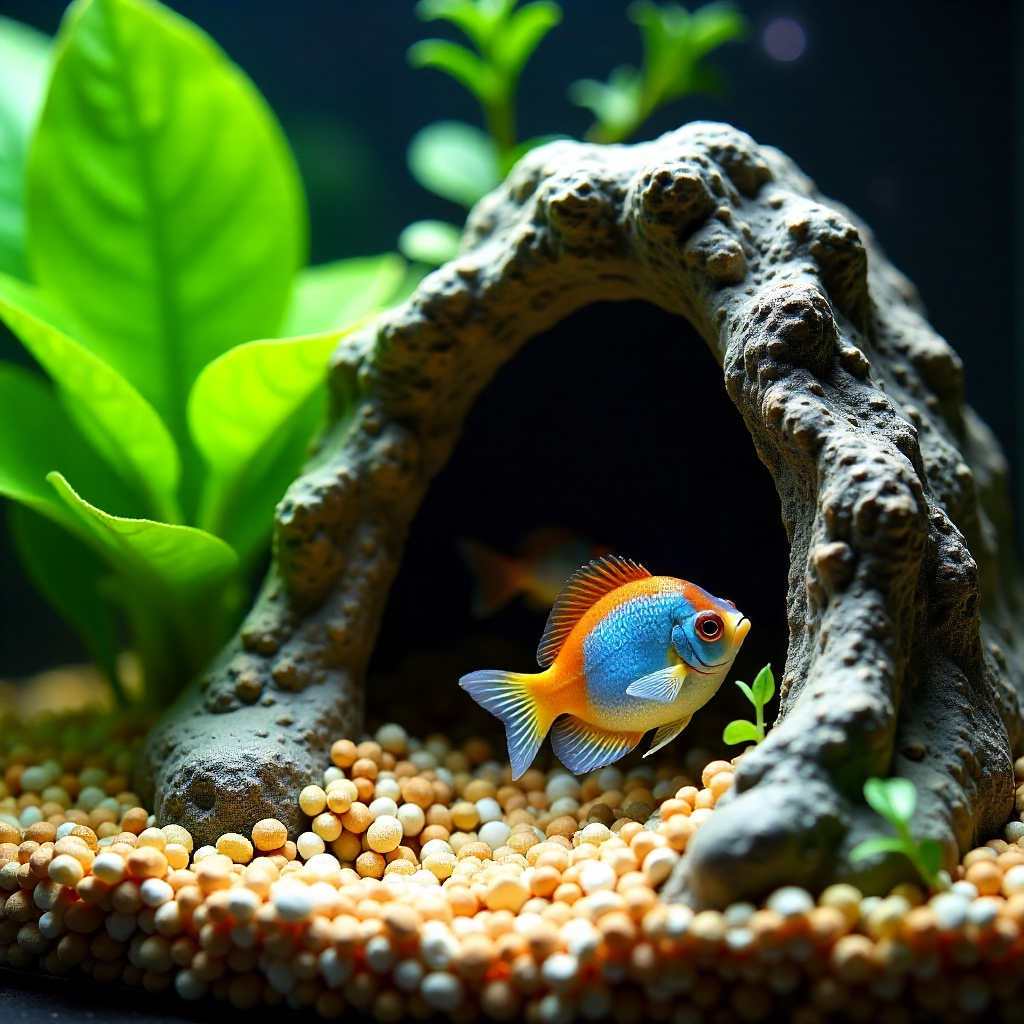
Corydoras and loaches are the clearest example. These bottom-dwellers spend most of their time foraging along the substrate, and coarse or sharp gravel can abrade their sensitive barbels over time, leading to infections and chronic stress. Fine sand — 1–2mm grain size — is the standard recommendation for these species.
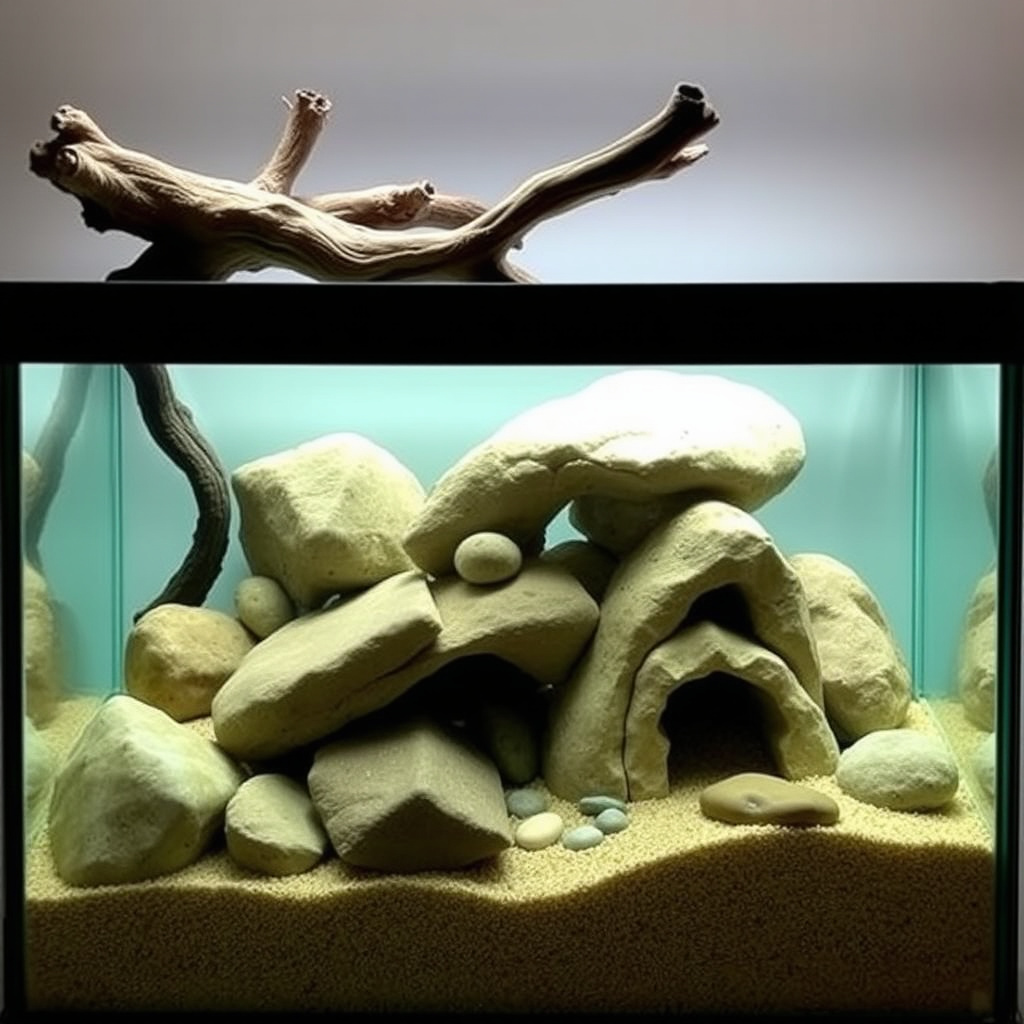
Cichlids, particularly mbuna and other African species, are diggers. They move substrate constantly, which means a capped planted soil bed will be destroyed within days. For cichlid tanks, coarse inert gravel or crushed coral (if the species requires hard, alkaline water) holds up far better.
Shrimp tanks deserve special attention. Neocaridina shrimp like cherry shrimp are relatively adaptable, but Caridina species — crystal red shrimp, tiger shrimp — are sensitive to water parameters and often do best on active buffering substrates that maintain slightly acidic, soft water conditions. Using the wrong substrate with these species can make water chemistry management a constant battle.
Substrate for Planted Tanks: What You Need to Know
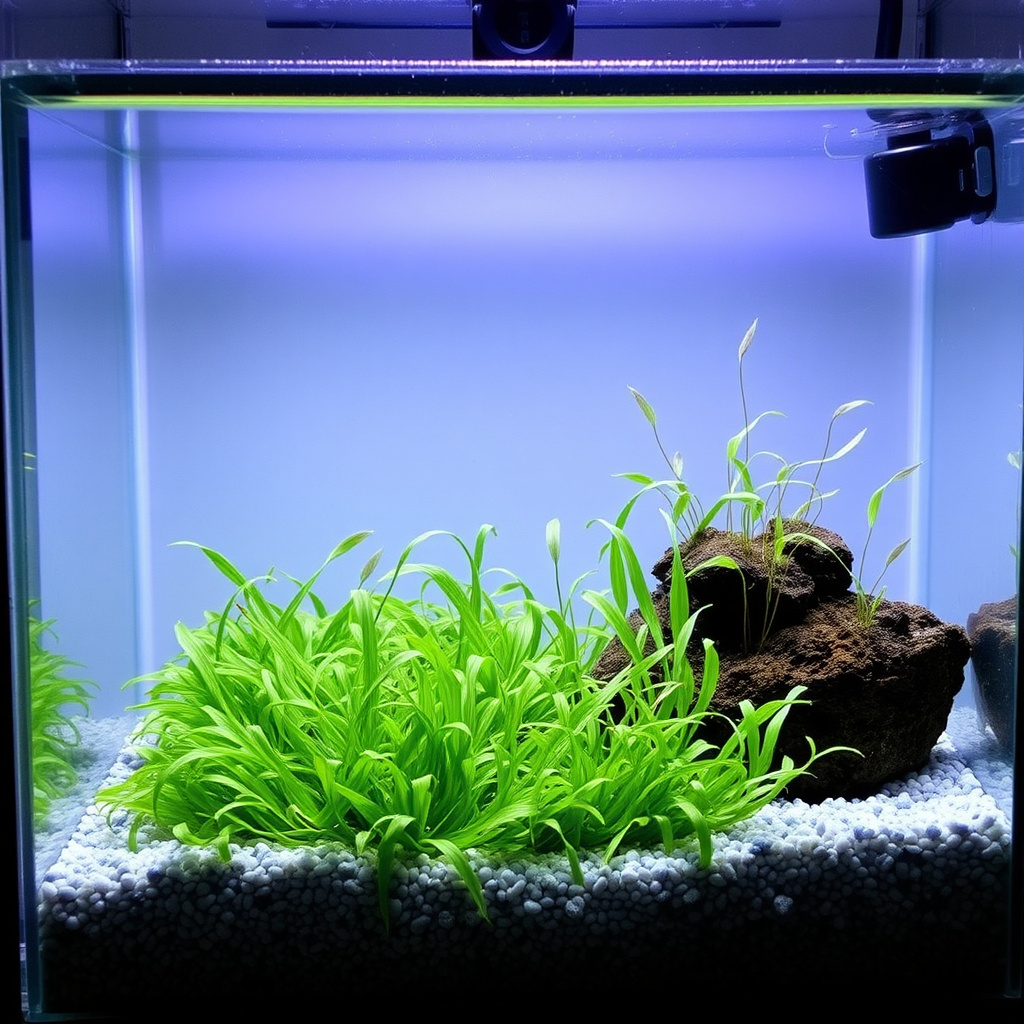
For a planted aquarium, nutrient-rich substrate is the single most important foundation you can lay. Plants draw nutrients through their roots, and an inert gravel bed forces complete dependence on water column fertilization, which is harder to balance and less efficient for heavy root feeders.
Planted tank substrates — sometimes called aquasoil — are porous, soft materials that hold macro and micronutrients in a form plant roots can access directly. They typically last 2–3 years before nutrient exhaustion, though by that point your plant mass will have established enough that supplemental root tabs can extend the substrate's usefulness.
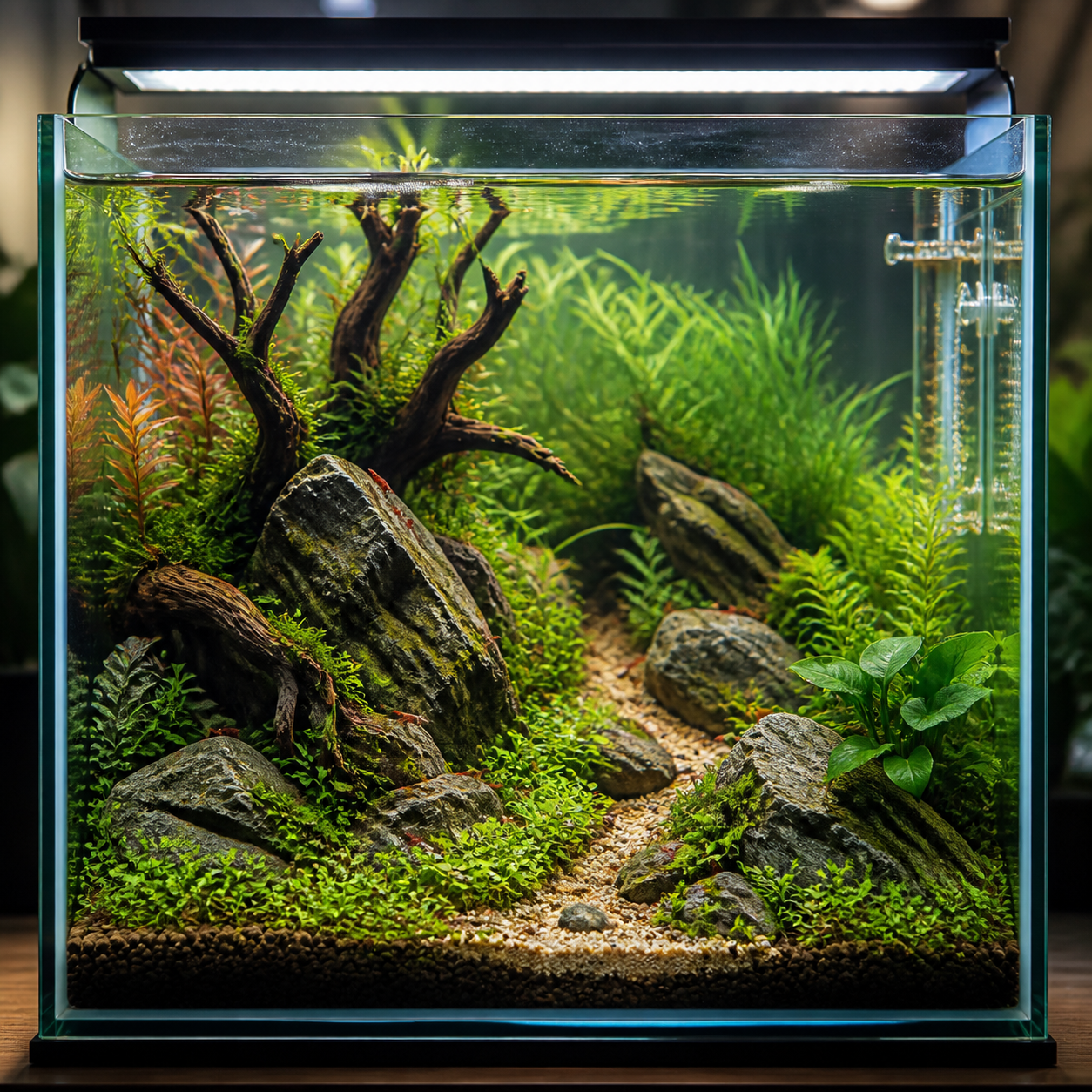
A common approach for planted tanks is layering: a base of nutrient-rich soil, 3–4 cm deep, capped with a thin layer of fine gravel or coarse sand. The cap layer serves two purposes — it reduces the soil's tendency to cloud the water when disturbed, and it gives the tank a more polished, natural appearance. Rooting depth matters here: stem plants and swords need at least 5–7 cm of total substrate depth to anchor properly and feed effectively.
One honest caveat: most aquasoils temporarily lower pH and can cause an ammonia spike during initial tank cycling. Expect to wait out a full cycle before adding fish, and test water parameters daily during the first two weeks.
How Substrate Affects Water Chemistry
Substrate can actively change your water's pH and hardness, or stay completely neutral — and knowing which category your substrate falls into prevents a lot of unexpected parameter swings.
Inert materials like plain gravel, quartz sand, and most aquasoils don't meaningfully alter pH or hardness once they've been rinsed and set up. This makes them the safe default for most freshwater community tanks, where a neutral pH around 7.0 suits the majority of commonly kept species.
Crushed coral and aragonite, by contrast, steadily dissolve and release calcium carbonate into the water, raising both pH and general hardness (GH) as well as carbonate hardness (KH). For species that thrive in hard, alkaline water — like African rift lake cichlids or some livebearers — this is exactly what you want. For soft-water species like discus, apistogramma, or Caridina shrimp, it's a setup-breaking mistake.
The practical rule: always test your water a week after setup, before adding any livestock. Substrate chemistry can surprise you, especially if your tap water is already hard or alkaline, and crushed coral can push parameters further than expected. According to the principles of aquarium water chemistry, buffering capacity and pH stability are directly linked to substrate mineral composition — understanding this relationship prevents most parameter-related fish losses.
Depth, Layering, and Setup Tips
Substrate depth affects plant rooting, bacterial surface area, and the risk of anaerobic gas pockets. Getting this detail right during setup is much easier than fixing it later.
For a basic fish-only tank with gravel, 5–6 cm is a practical minimum — deep enough for decent bacterial colonization, shallow enough to vacuum easily. For a planted tank with a soil base and gravel cap, aim for 7–10 cm total, with the soil layer making up about two-thirds of that depth.
Deep sand beds (over 7 cm of fine sand) are sometimes used intentionally in certain reef or brackish setups to create anaerobic zones that process nitrate. In a standard freshwater tank, though, deep sand beds can trap waste and create hydrogen sulfide pockets, which are toxic when accidentally stirred up. Keep freshwater sand beds at 3–5 cm and stir gently once a week.
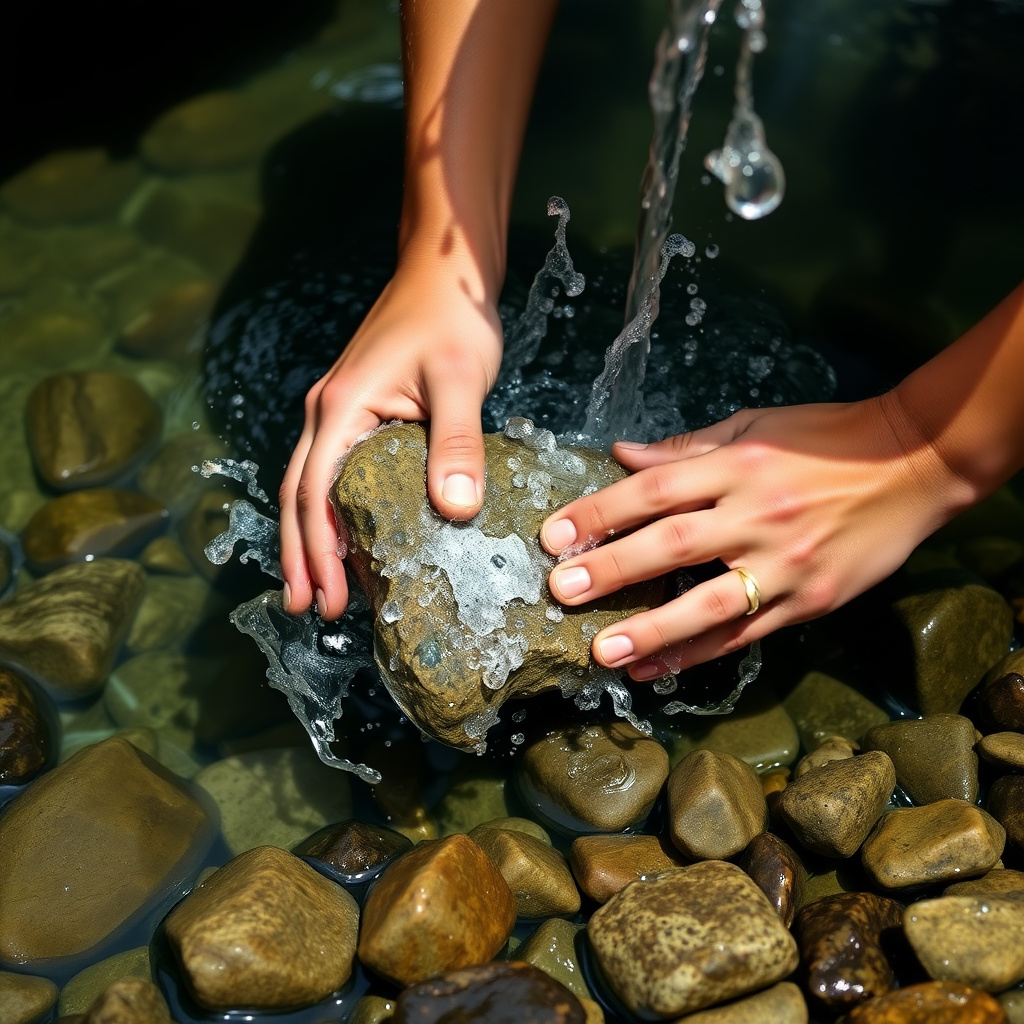
Rinsing is non-negotiable. Even "pre-washed" gravel releases significant dust when added dry. Run cold water through your substrate in a bucket, stirring and draining until the water runs mostly clear — typically 3–5 rinse cycles for gravel, more for fine sand. Aquasoil is the exception: do not rinse it, as washing strips the nutrient content it's specifically designed to deliver.
Maintenance and Long-Term Care
Long-term substrate care varies significantly by type — what keeps a gravel bed healthy can actually damage a planted soil bed.
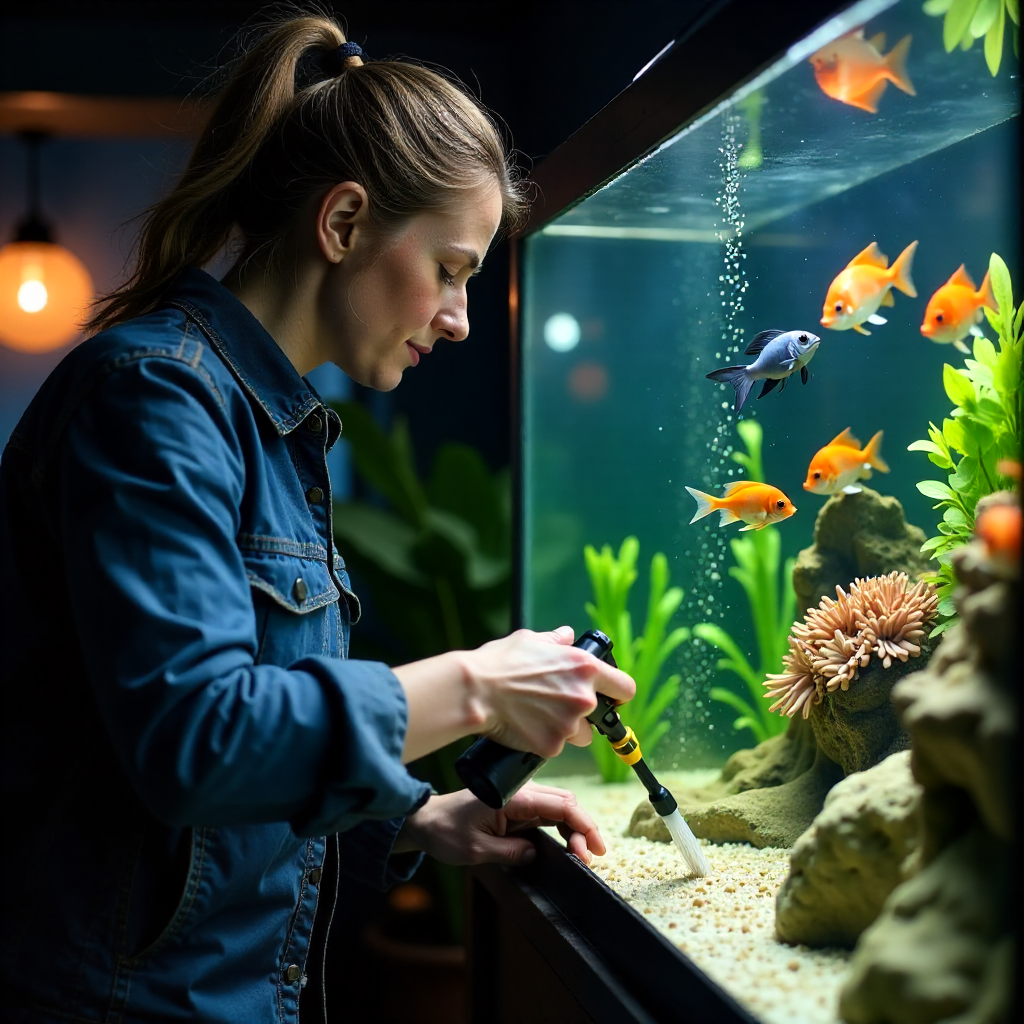
Gravel benefits from regular vacuuming with a siphon. Detritus accumulates in the gaps between particles, and if left too long it decompose, spikes ammonia, and smothers beneficial bacteria. A weekly or biweekly vacuum during water changes keeps the bed healthy without disrupting the overall structure.
Planted soil beds are different. Aggressive vacuuming disturbs roots and disrupts the nutrient-rich layer plants depend on. The approach here is gentler: hover the siphon just above the surface to remove visible debris without digging in. As the plant mass matures and roots fill the substrate, there's actually less surface waste to deal with — thriving plants outcompete algae and consume much of what settles.
Sand requires periodic stirring rather than vacuuming. A slow pass with a thin dowel or substrate stirrer once a week releases trapped gas before it builds into a problem. Some hobbyists keep small sand-stirring snails like Malaysian trumpet snails for this purpose — they burrow naturally and do the job continuously without any effort from you.
When does substrate need replacing? Aquasoil typically shows signs of nutrient depletion after 2–3 years: plants grow slowly despite fertilization, and the substrate may lose its structure and turn muddy. Inert gravel essentially lasts indefinitely with good maintenance — you rarely need to replace it, just top it off if depth decreases over time from vacuuming losses.
Frequently Asked Questions
What is the best substrate for a beginner aquarium?
For most beginners, medium-grain inert gravel (3–5mm) is the most forgiving choice. It's easy to vacuum, won't affect water chemistry, and works well for the common community fish most beginners start with. If you're adding live plants from day one, a budget-friendly option is a thin base of planted tank substrate capped with gravel.
Can I mix gravel and sand in the same tank?
You can, but they tend to migrate and mix over time, especially in tanks with active diggers or strong flow. A common workaround is separating zones with a thin divider or rock border — one section with sand for corydoras to forage in, the rest with gravel for easy maintenance.
How deep should aquarium substrate be for live plants?
For most rooted plants, a total substrate depth of 7–10 cm gives roots enough space to anchor and feed. Carpeting plants can manage with less, around 5–6 cm, while large swords and crypts appreciate the full 10 cm or slightly more.
Does substrate color affect fish behavior or stress levels?
Yes, meaningfully so. Many fish species show visibly darker, more saturated coloration over dark substrate because it mimics their natural habitat. Light-colored or white substrates can increase stress in some species by making them feel exposed. If showcasing your fish's color is a priority, dark sand or dark gravel almost always outperforms light options.
How long does nutrient-rich substrate last before it needs replacing?
Most commercial aquasoils remain effective for 2–3 years. After that, nutrient content depletes and the substrate may compact or break down structurally. Root tabs pushed into the substrate every 4–6 weeks can extend functional life by another year or two before a full replacement becomes necessary.