How to Clean and Maintain Aquarium Decorations for a Healthy Tank
Why Cleaning Aquarium Decorations is Important
Cleaning aquarium decorations is crucial to maintain water quality, support fish health, and keep the tank visually appealing. Decorations can accumulate algae, mineral deposits, and debris that degrade the aquatic environment, leading to poor health for aquarium fish and plants.
Regular cleaning removes harmful buildup, prevents toxins from leaching into the water, and helps maintain balanced chemical conditions. Well-maintained decorations also provide a natural and healthy habitat for fish, reducing stress and encouraging natural behaviors. Beyond health, clean decorations improve the tank’s aesthetic, making your aquarium a vibrant and attractive focal point.
Types of Aquarium Decorations and Their Maintenance Needs
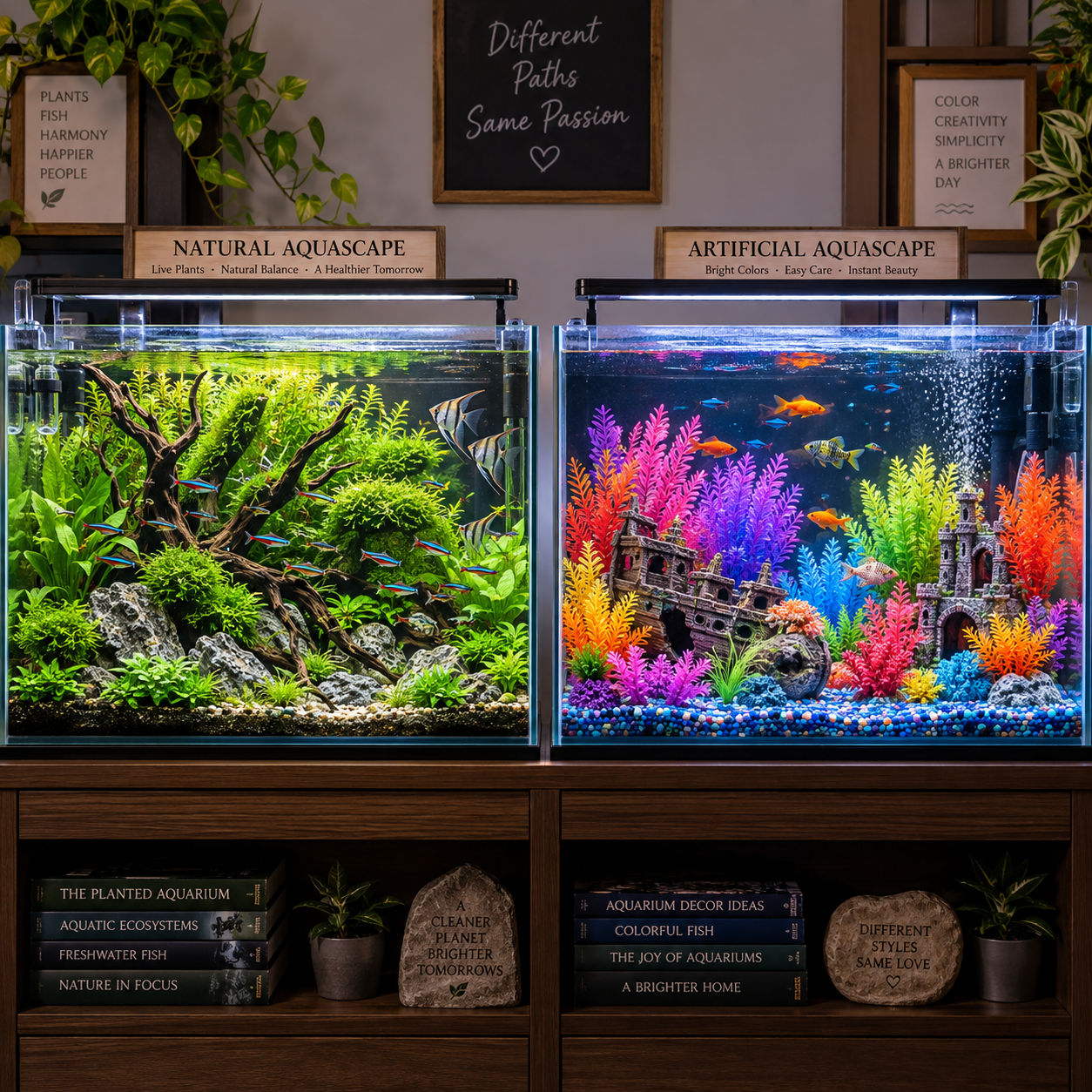
Aquarium decorations fall broadly into two categories: artificial and natural décor. Each type requires specific care to maintain their integrity without damaging the tank ecosystem.
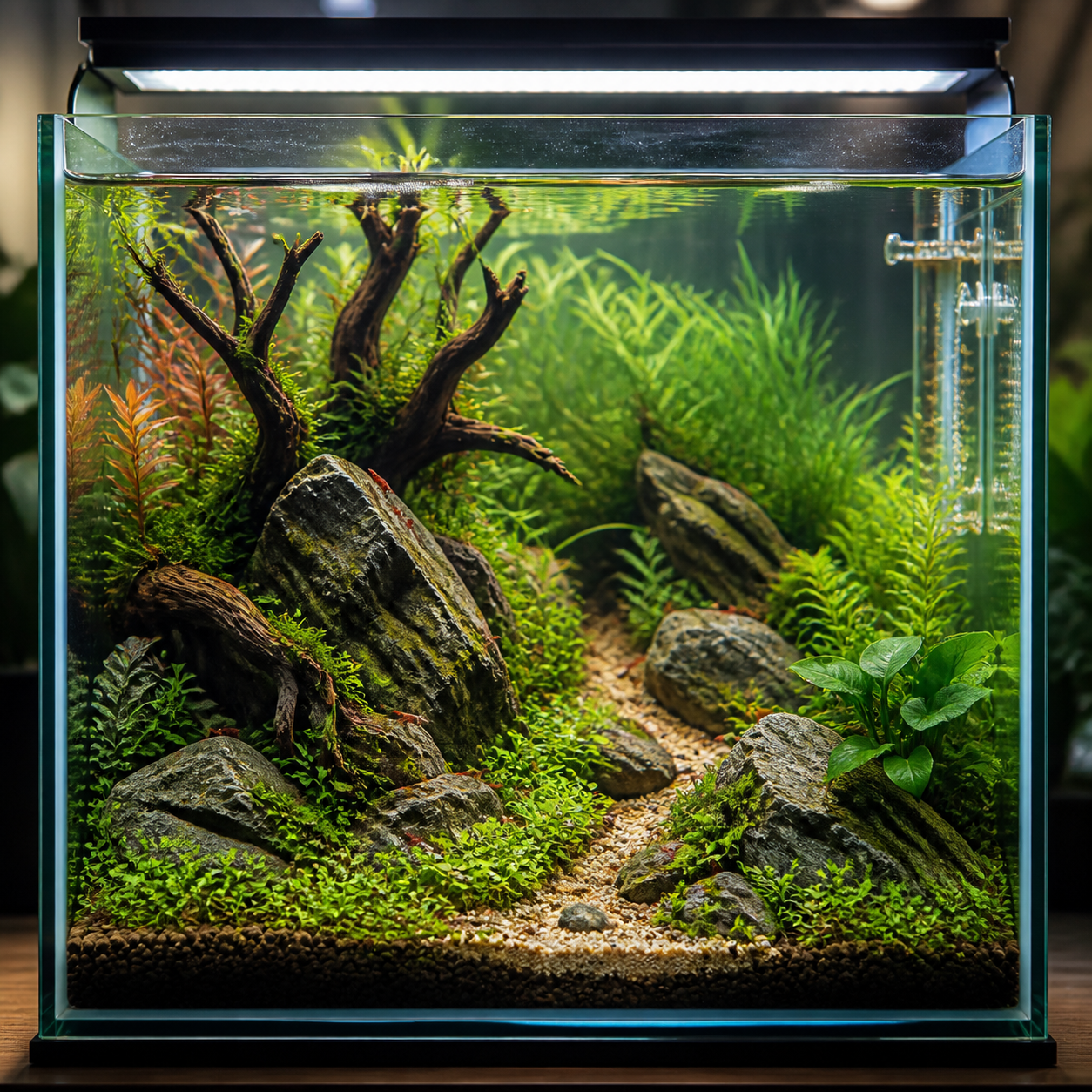
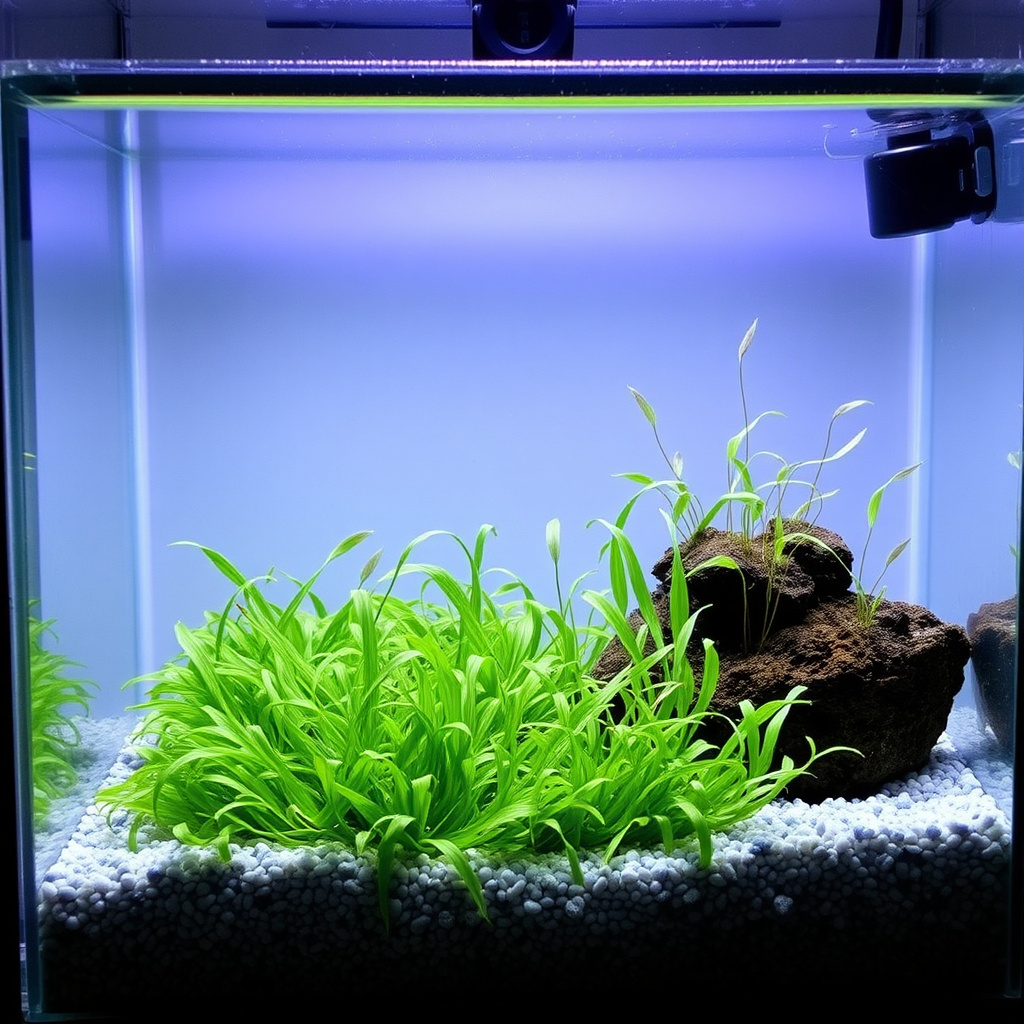
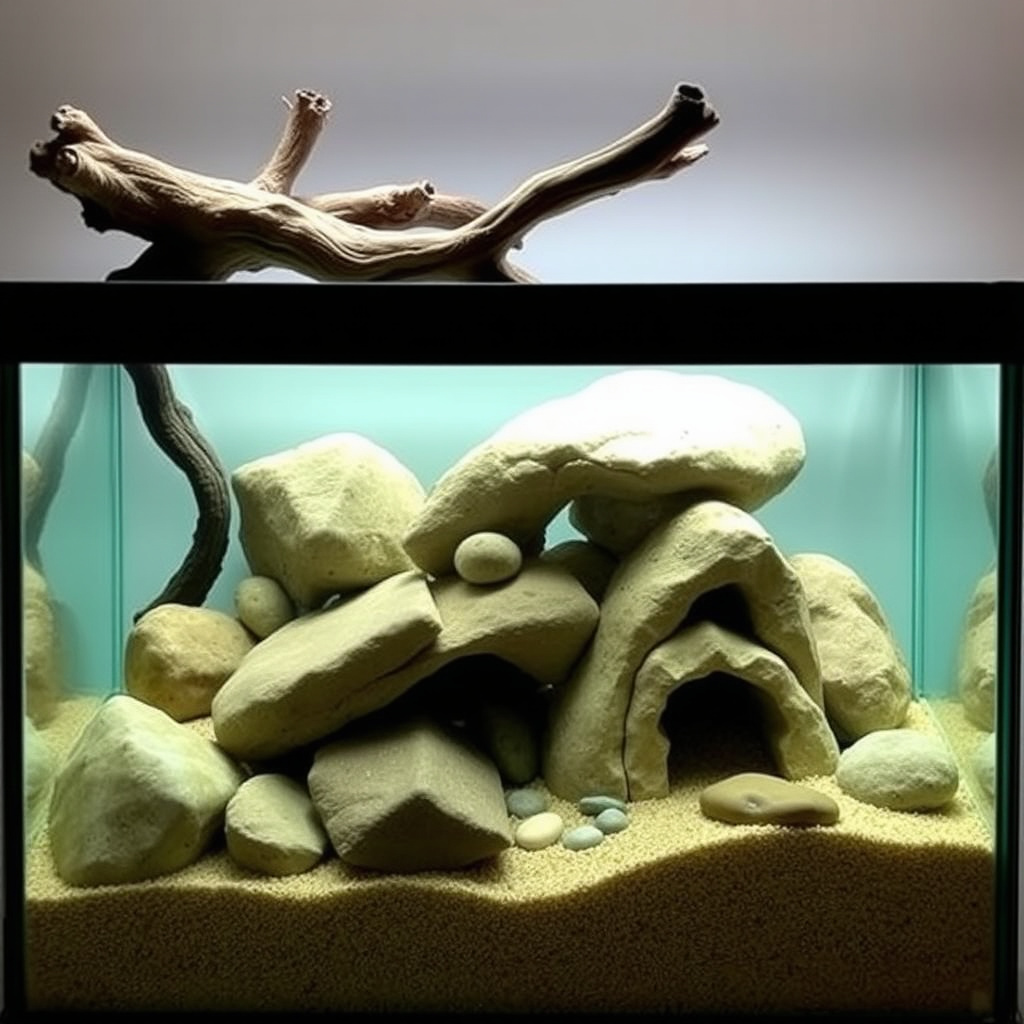
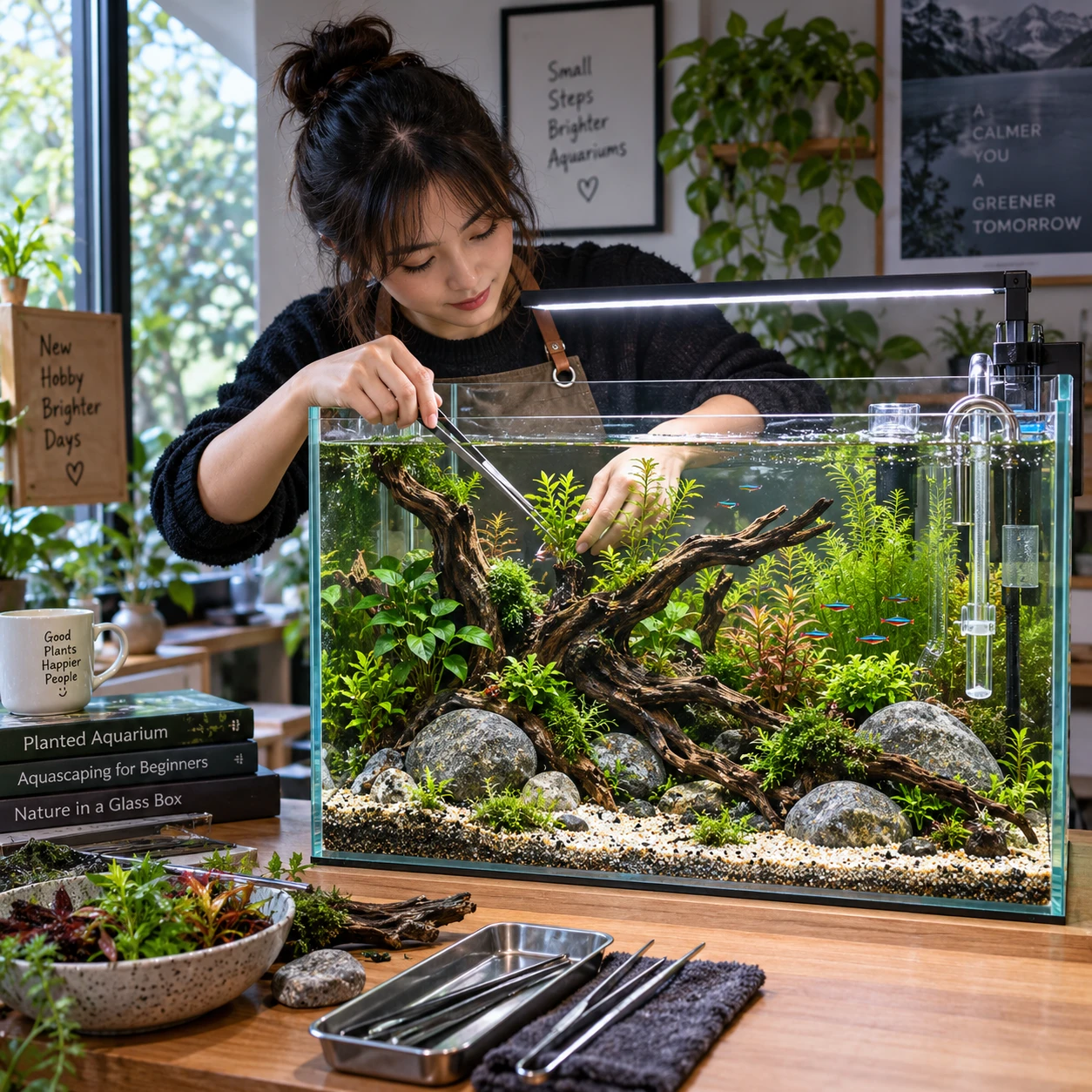
Natural decorations include live plants, driftwood, and rocks. These elements contribute to water chemistry and biological filtration but need careful cleaning to avoid killing beneficial bacteria or disrupting plant life. Natural décor tends to require gentle rinsing and avoidance of harsh chemicals.
Artificial decorations, such as plastic ornaments, resin castles, or synthetic plants, do not affect water chemistry but accumulate algae and mineral deposits quickly. These can usually be scrubbed more vigorously but still require fish-safe cleaning agents to avoid residue that could harm aquatic life.
Knowing the material composition of each decoration helps determine the cleaning frequency and method, ensuring decorations last longer and support tank health effectively.
Step-by-Step Guide to Cleaning Aquarium Decorations Safely
To safely clean aquarium decorations, follow these key steps that protect fish and plants while removing buildup:
- Remove decorations carefully: Gently take out ornaments, rocks, or plants without disturbing the substrate too much to avoid stressing fish.
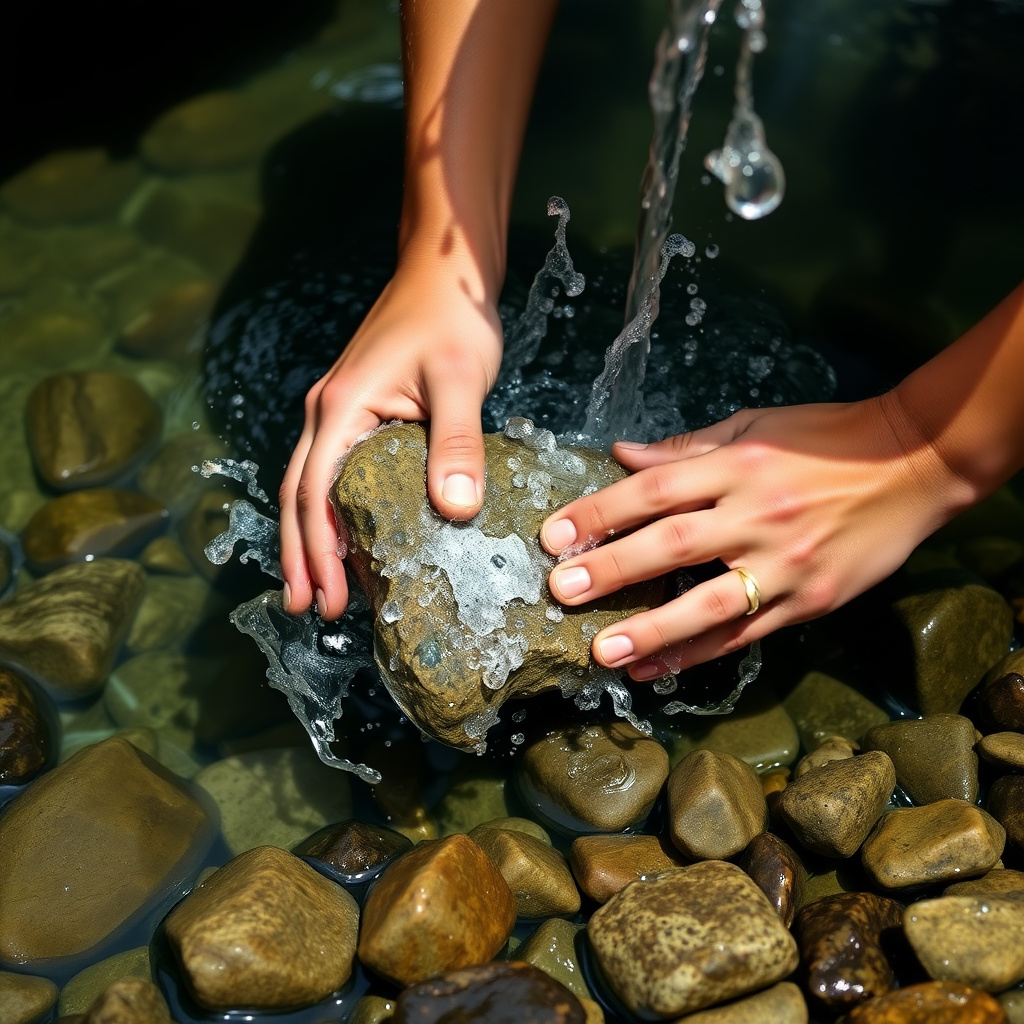
- Rinse with warm water: Use lukewarm water to rinse off loose debris. Avoid using tap water treated with chlorine unless adequately dechlorinated.
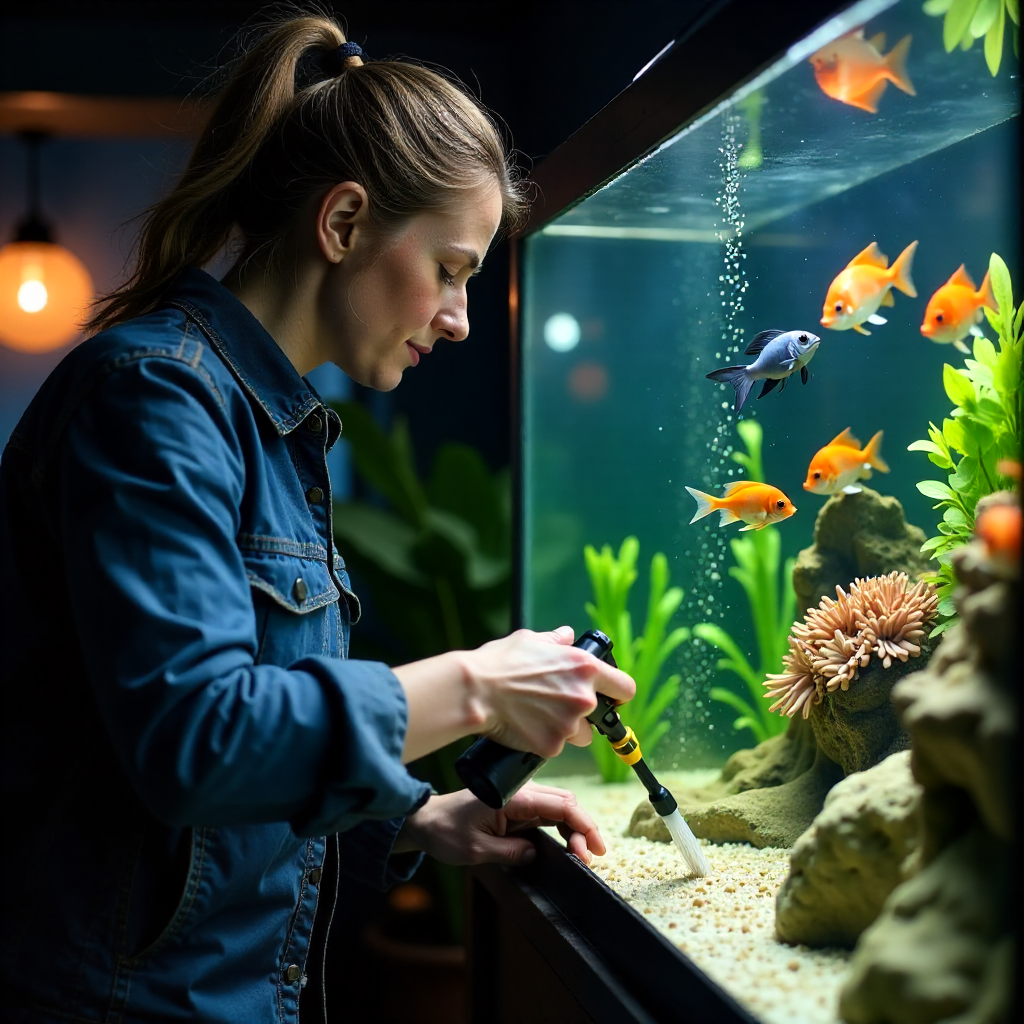
- Scrub algae and deposits: Use a soft aquarium-safe brush or sponge to scrub algae or mineral buildup gently. Avoid metal brushes as they can damage surfaces.
- Use safe cleaning agents if needed: For stubborn residue, soak decorations briefly in a diluted vinegar solution (1 part vinegar to 3 parts water). Rinse thoroughly afterward to remove all acid traces.
- Clean delicate aquarium plants carefully: For live plants, avoid scrubbing. Instead, remove dead or decaying leaves and rinse gently in tank water to preserve beneficial microbes.
- Dry and replace: Let decorations air dry before returning them to the tank. This step prevents dust or contaminants from entering the aquarium.
Following these steps balances thorough cleaning with protecting the aquarium’s delicate ecosystem, preventing harm to fish or plants.
Tools and Products Safe for Aquarium Decoration Cleaning
Using the right tools and products preserves the safety of aquarium fish and plants during decoration maintenance. Safe items include:
- Aquarium-safe brushes and sponges: Soft nylon or silicone brushes designed for aquarium use remove algae without scratching or damaging decorations.
- White vinegar: A natural, non-toxic cleaner effective against mineral deposits and algae. Ensure correct dilution and thorough rinsing.
- Dechlorinated water: Use water treated to remove chlorine and chloramine when rinsing live décor or decorations that will return immediately to the tank.
- Algae scrapers and pads: Specifically designed for tank safety to clean glass or decorations without toxic residue.
Products to avoid include bleach, detergents, soaps, and household chemicals. These substances are toxic to fish even after rinsing. Harsh scrubbing tools like metal brushes or abrasive pads can damage surfaces and encourage algae regrowth.
Tips to Prevent Algae and Mineral Buildup on Decorations
Preventing algae and mineral buildup reduces the need for frequent deep cleaning and supports long-term tank health. Key strategies include:
- Maintain balanced lighting: Excessive or prolonged lighting promotes algae growth. Use timers to limit light exposure to around 8-10 hours daily.
- Regular water changes: Changing 10-20% of the water weekly helps control nutrients that feed algae and reduces mineral concentration.
- Control feeding: Overfeeding fish leads to excess nutrients. Feed small amounts and remove uneaten food promptly.
- Add algae-eating species: Introducing snail or fish species known for algae control helps keep decorations cleaner naturally.
- Use water conditioners: Employ tap water conditioners that reduce hard minerals to minimize scale and deposits.
Implementing these practices creates an environment less conducive to algae and mineral buildup, preserving both artificial and natural aquarium decorations.
How Often Should You Clean Aquarium Decorations?
The cleaning frequency for aquarium decorations depends on factors such as tank size, decoration type, and environmental conditions. Generally, a thorough cleaning every 3 to 4 weeks works well for most tanks.
Artificial decorations may require more frequent cleaning due to faster algae accumulation, while natural décor like driftwood and live plants demand gentler, less frequent maintenance to avoid upsetting biological balance.
Signs your decorations need cleaning include visible algae growth, mineral crust, dull colors, or an unpleasant odor from the tank. Monitoring these signals helps establish a personalized maintenance schedule that keeps your aquarium healthy and visually pleasing.
Frequently Asked Questions
How do I clean delicate aquarium plants without causing damage?
For delicate plants, avoid scrubbing or soaking in chemicals. Instead, gently remove dead or dying leaves and rinse the plant in a bowl of tank water. Using a soft brush or your fingers, lightly dislodge debris. Trimming plants carefully supports growth and prevents decay.
Can I use bleach to clean aquarium decorations?
Using bleach is not recommended because even diluted bleach residues can be toxic to fish. If bleach is absolutely necessary for stubborn algae or contaminants, use a very diluted solution, soak for a short time, and rinse decorations multiple times, followed by air drying to reduce residual chemicals. However, safer alternatives like vinegar are preferred.
What are the signs my decorations need cleaning?
Look for visible algae films or greenish buildup, white or chalky mineral deposits, dulling colors on artificial décor, or unpleasant odors from organic decay. These signs indicate reduced water quality and suggest it’s time for cleaning.
How to safely remove tough algae from rocks and ornaments?
Soak the affected decoration in a diluted vinegar solution to weaken mineral crust and algae. After soaking for 10-20 minutes, scrub gently with an aquarium-safe brush. Rinse repeatedly with dechlorinated water before returning it to the tank.
Is it necessary to remove fish during decoration cleaning?
It’s generally best to remove fish to a temporary holding container with tank water during deep cleaning of decorations to reduce stress and risk of injury. For minor cleaning during water changes, fish can usually remain in the tank safely.
Maintaining clean and well-preserved aquarium decorations enhances the beauty and health of your aquatic ecosystem. By following safe cleaning techniques, choosing appropriate products, and establishing a practical maintenance schedule, you support vibrant, thriving fish and plants while extending the life of your aquarium décor.