DIY Aquarium Decor: Safe, Creative Ideas Your Fish Will Love
Why DIY Aquarium Decor Is Worth Trying
DIY aquarium decor saves money, unlocks creative freedom, and produces a tank that no pet store shelf can replicate. A single piece of store-bought driftwood can cost $30 or more — a comparable piece sourced and prepared at home might cost nothing.
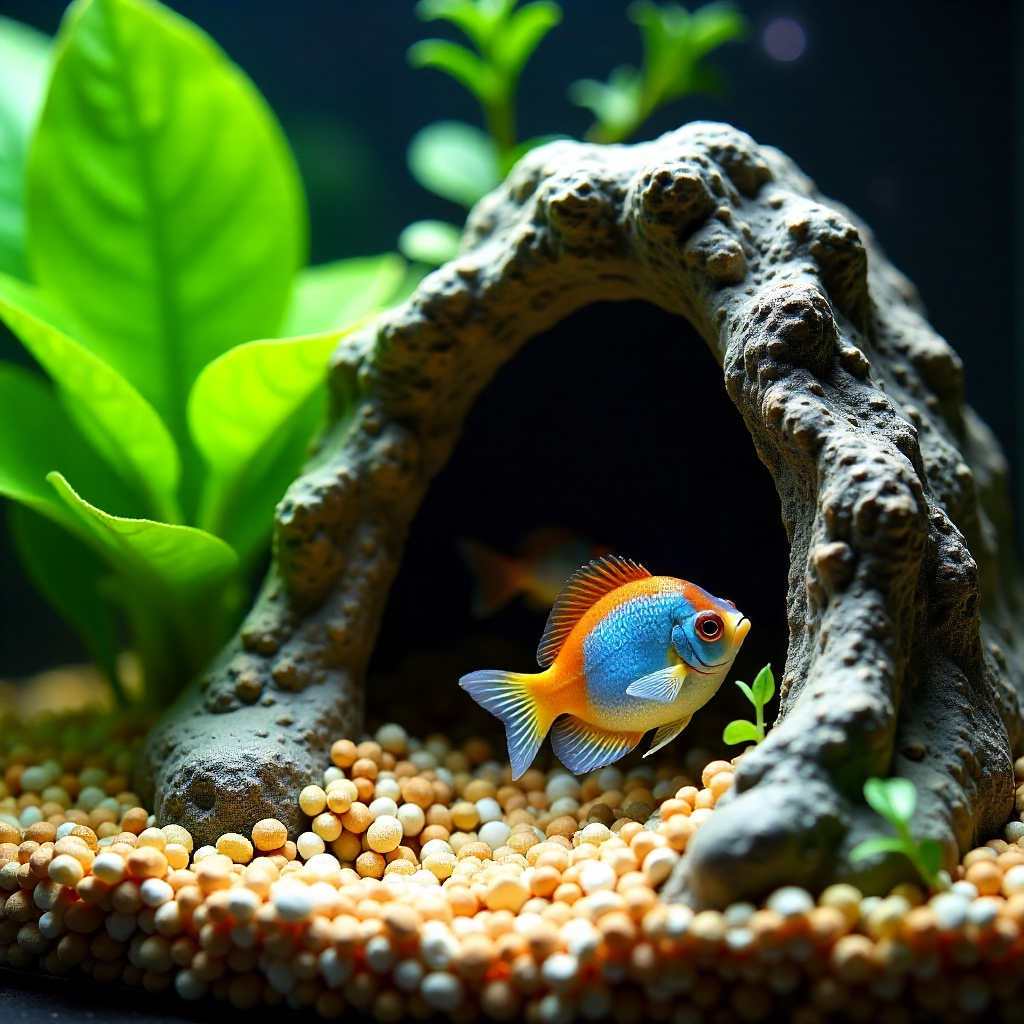
Beyond the budget angle, there's a real behavioral benefit for your fish. Hiding spots, caves, and varied terrain reduce stress, establish territory, and encourage natural behaviors like spawning and foraging. A tank decorated with intention — not just aesthetics — is a healthier environment.
That said, DIY comes with one non-negotiable rule: safety first. Not every creative idea belongs underwater. The rest of this guide walks through what works, what doesn't, and how to prepare everything properly before it touches your water.
The Golden Rule: Fish-Safe vs. Fish-Harmful Materials
The safest DIY aquarium materials are chemically inert — they don't leach substances into the water or alter pH. The most reliable options are unglazed ceramic, natural stone (granite, slate, quartz), untreated hardwood driftwood, and aquarium-grade silicone for bonding pieces together.
Here's a practical breakdown:
- Safe: Unglazed terracotta, natural river rocks, slate, lava rock, untreated driftwood, food-grade PVC pipe, plain glass
- Avoid: Painted or varnished wood, galvanized metal (zinc is toxic to fish), items with unknown plastic composition, glazed ceramics with metallic finishes, foam not rated for aquarium use
Painted items are a common trap. Even "non-toxic" craft paint can leach pigments and binders into water over time. Galvanized metal is particularly dangerous — zinc poisoning can kill fish within hours. If you're unsure about a plastic item, look for food-safe or HDPE labeling; these are generally inert in water.
Freshwater and saltwater tanks have different tolerances too. Limestone and coral-based rocks raise pH and carbonate hardness, which suits African cichlid or marine setups but can harm soft-water species like tetras or discus. Always match your decor to your tank's water chemistry requirements.
DIY Decor Ideas Using Natural Materials
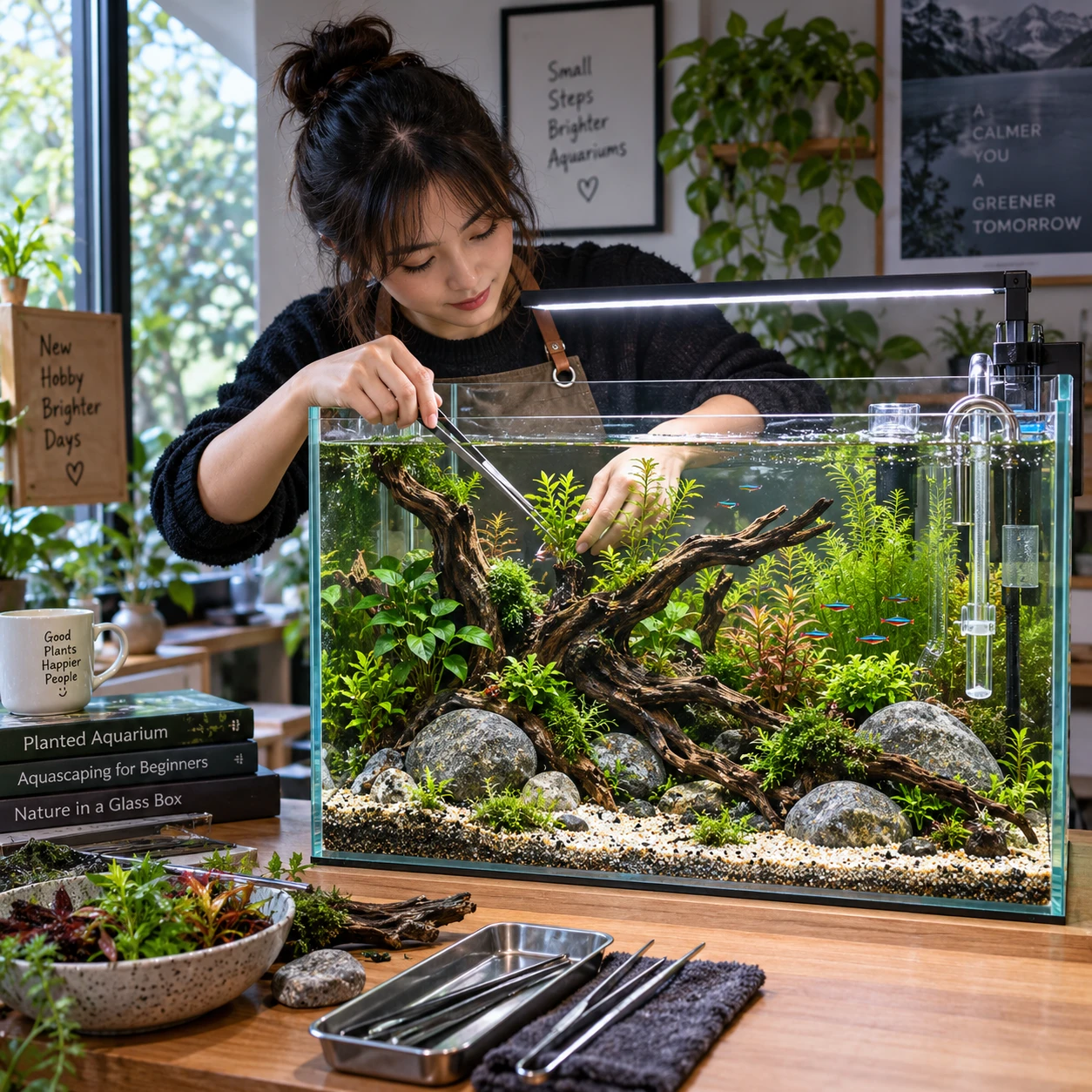
Natural materials — river rocks, driftwood, and live plants — are among the best DIY options because they're biologically compatible with aquatic environments and often support beneficial bacteria colonies that aid biological filtration.
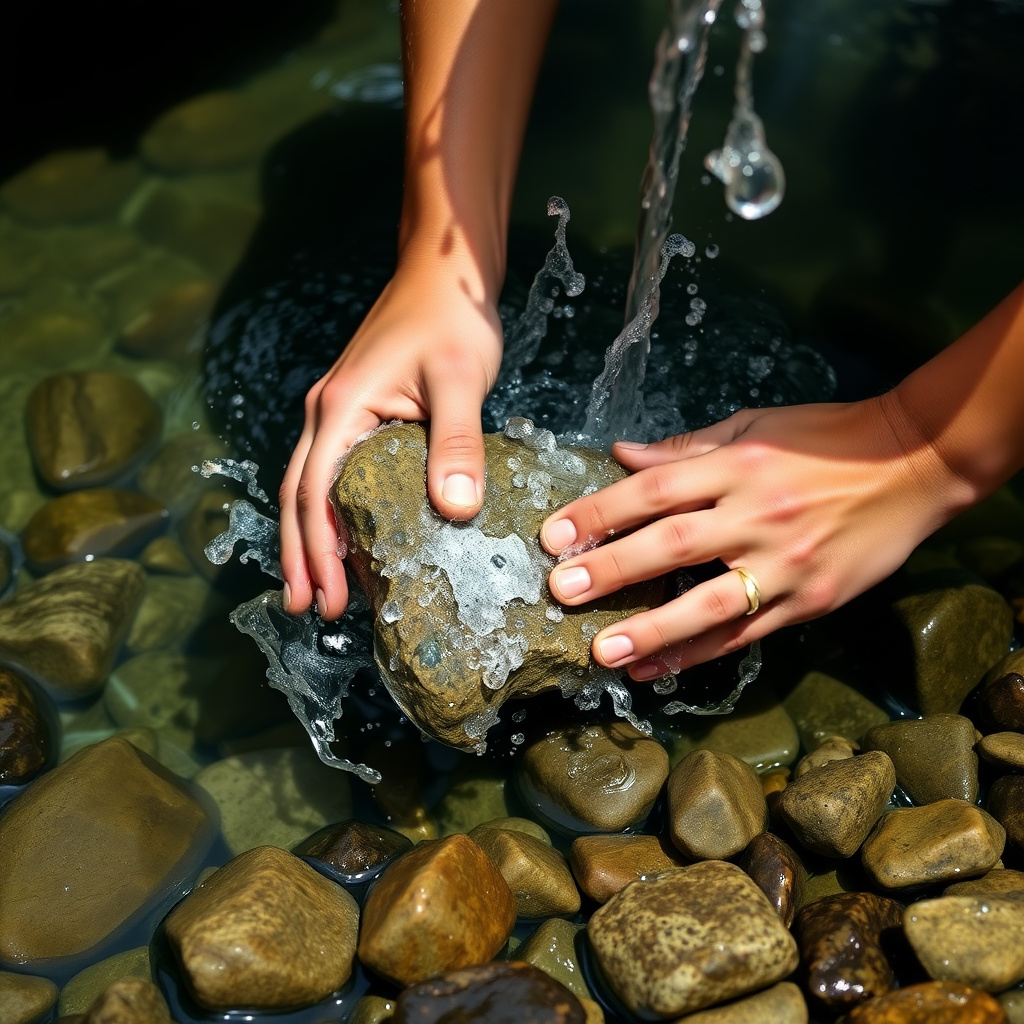
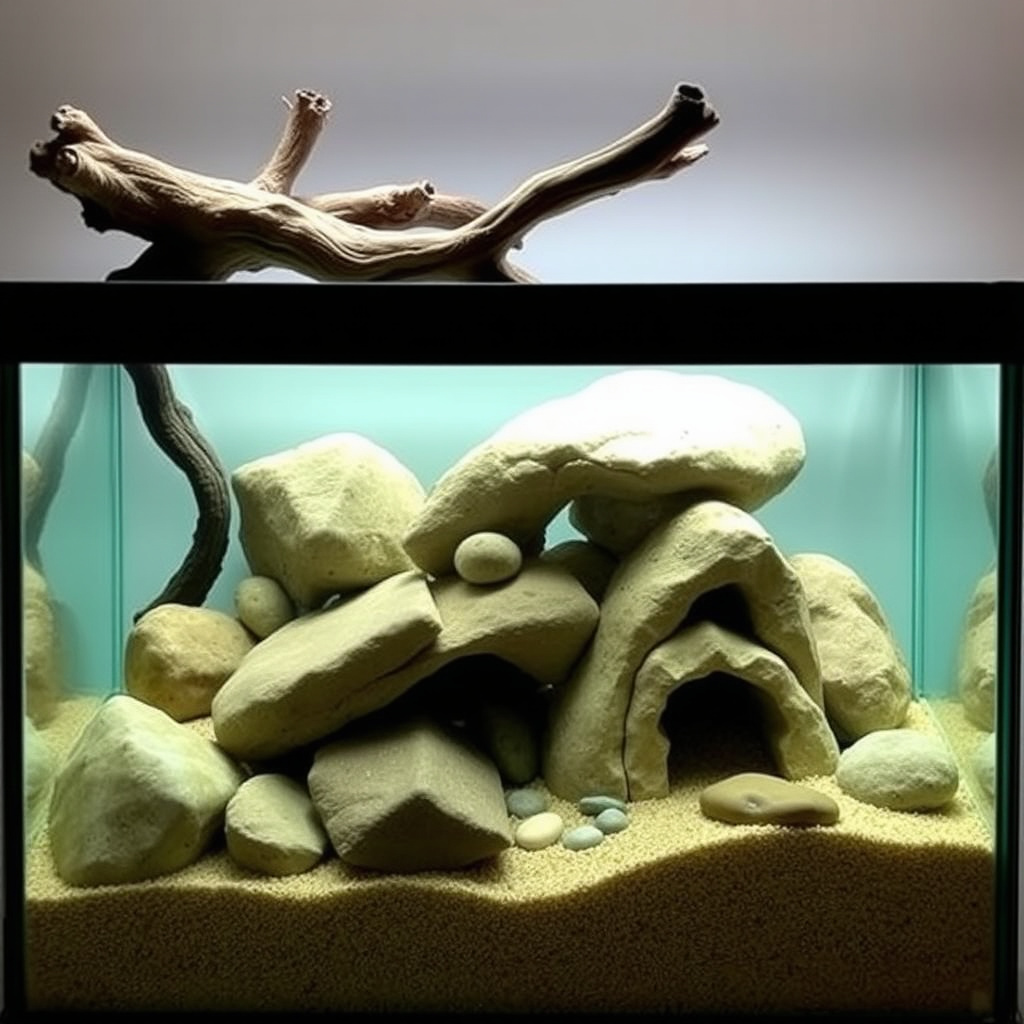
River rocks and slate are easy to stack into caves, ledges, and terracing. Collect smooth, rounded stones from clean, unpolluted sources (avoid roadsides or industrial areas). Before use, scrub them with a stiff brush under hot water — no soap — and boil smaller pieces for 10 minutes to kill pathogens.
The vinegar test is a quick way to check if a rock will affect pH: drop a small amount of white vinegar on the surface. If it fizzes, the rock contains calcium carbonate and will raise hardness. Fine for hard-water tanks, problematic for soft-water ones.
Driftwood adds dramatic structure and releases tannins that naturally soften water and lower pH — beneficial for many tropical species, though it will tint the water amber. Source driftwood from aquarium suppliers or collect it from clean freshwater sources. Avoid saltwater-collected wood, which can introduce marine pathogens into freshwater tanks.
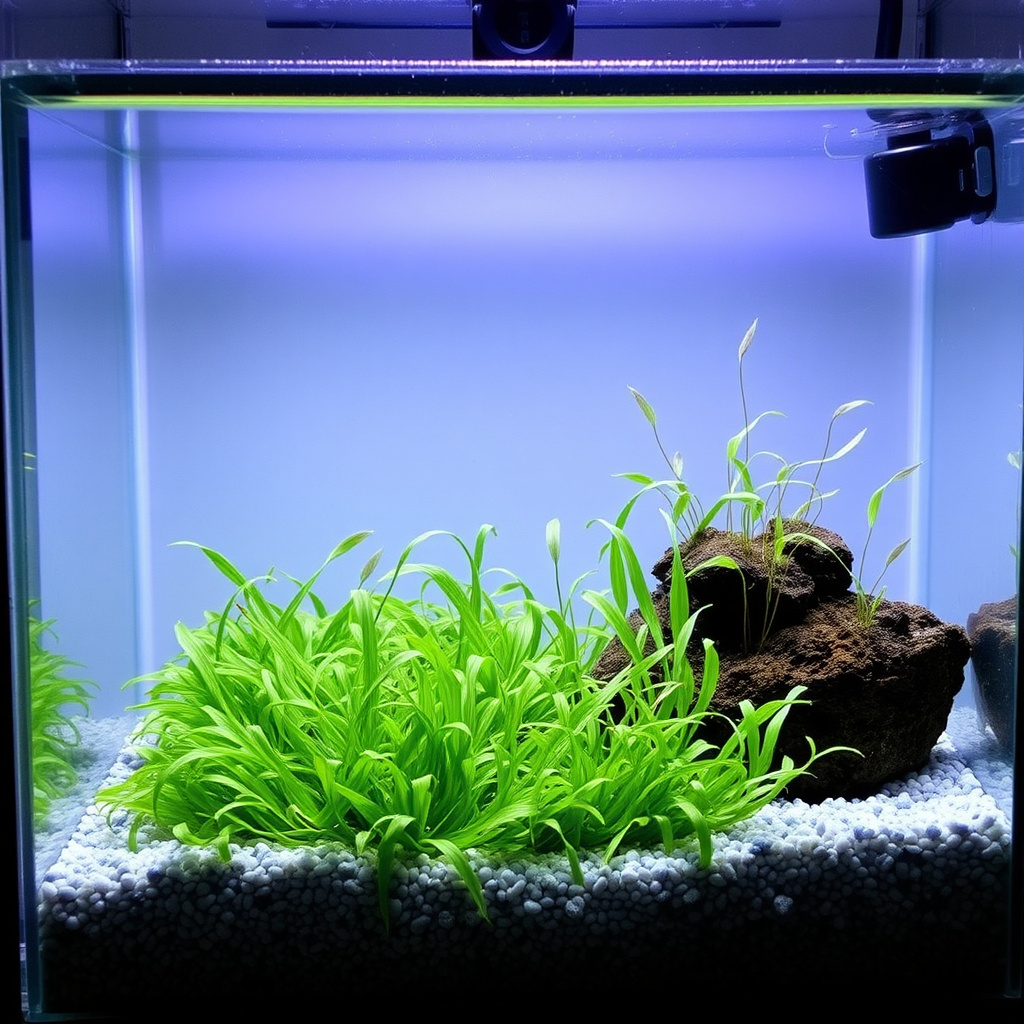
Live plants like Java fern, Anubias, and moss balls are the ultimate dual-purpose decor: they look natural, provide shelter, and actively improve water quality by absorbing nitrates. They can be attached to rocks or driftwood using aquarium-safe thread or silicone gel.
Creative DIY Projects with Household Items
Several common household items make excellent aquarium decorations with minimal preparation. The key is choosing items that are chemically inert and free of coatings, adhesives, or dyes.
Terracotta pots are the classic DIY cave. Unglazed terracotta is pH-neutral, porous (which supports beneficial bacteria), and beloved by bottom-dwellers like plecos, loaches, and cichlids. Chip a small notch in the rim for an entrance, rinse thoroughly, and boil before use. Avoid any pot with a drainage hole sealant or painted exterior.
PVC pipe works well for species that prefer tube-shaped hides — many catfish, eels, and gobies will claim a section of pipe immediately. Use plain white or gray PVC (not colored or printed), cut to length, and sand any sharp edges smooth. Rinse well; no boiling required for PVC.
A plain ceramic mug or bowl (unglazed or with a simple, lead-free glaze) can become a quirky focal point. Check that the glaze is food-safe and contains no metallic pigments. Soak in dechlorinated water for 48 hours before adding to the tank, then monitor water parameters for a week.
One honest trade-off: household items rarely look as polished as purpose-built aquarium decor. If aesthetics matter as much as function, plan your layout carefully so DIY pieces complement each other rather than looking mismatched.
How to Prepare and Test DIY Decor Before Adding It to Your Tank
Preparation is as important as the creative idea itself. Skipping this step is the most common reason DIY decor harms fish or crashes water chemistry.
Follow this sequence for most natural and household materials:
- Rinse thoroughly under hot water to remove dust, debris, and surface contaminants. Never use soap or detergent — residue is nearly impossible to fully remove.
- Boil or bake rocks and ceramic items (10–20 minutes boiling, or 250°F oven for 30 minutes) to kill bacteria, parasites, and algae spores.
- Soak driftwood in a bucket of water for 1–2 weeks, changing the water every 2–3 days. This waterlogging prevents floating and leaches out the bulk of tannins before the wood enters your tank.
- Vinegar soak for items with potential mineral deposits: a 1:1 white vinegar and water solution for 30 minutes, followed by thorough rinsing.
After adding new decor, monitor water parameters — pH, ammonia, nitrite — for 5–7 days. A sudden pH shift or ammonia spike can indicate the material is leaching something. If parameters destabilize, remove the item immediately and investigate before reintroducing it.
Timing matters too. If your tank is still cycling, new decor can disrupt the developing colony of beneficial bacteria. Ideally, introduce significant new decorations after the nitrogen cycle is established.
Aquascape Design Tips for a Cohesive Look
Good aquascape design turns a collection of individual pieces into a unified underwater landscape. A few simple principles go a long way.
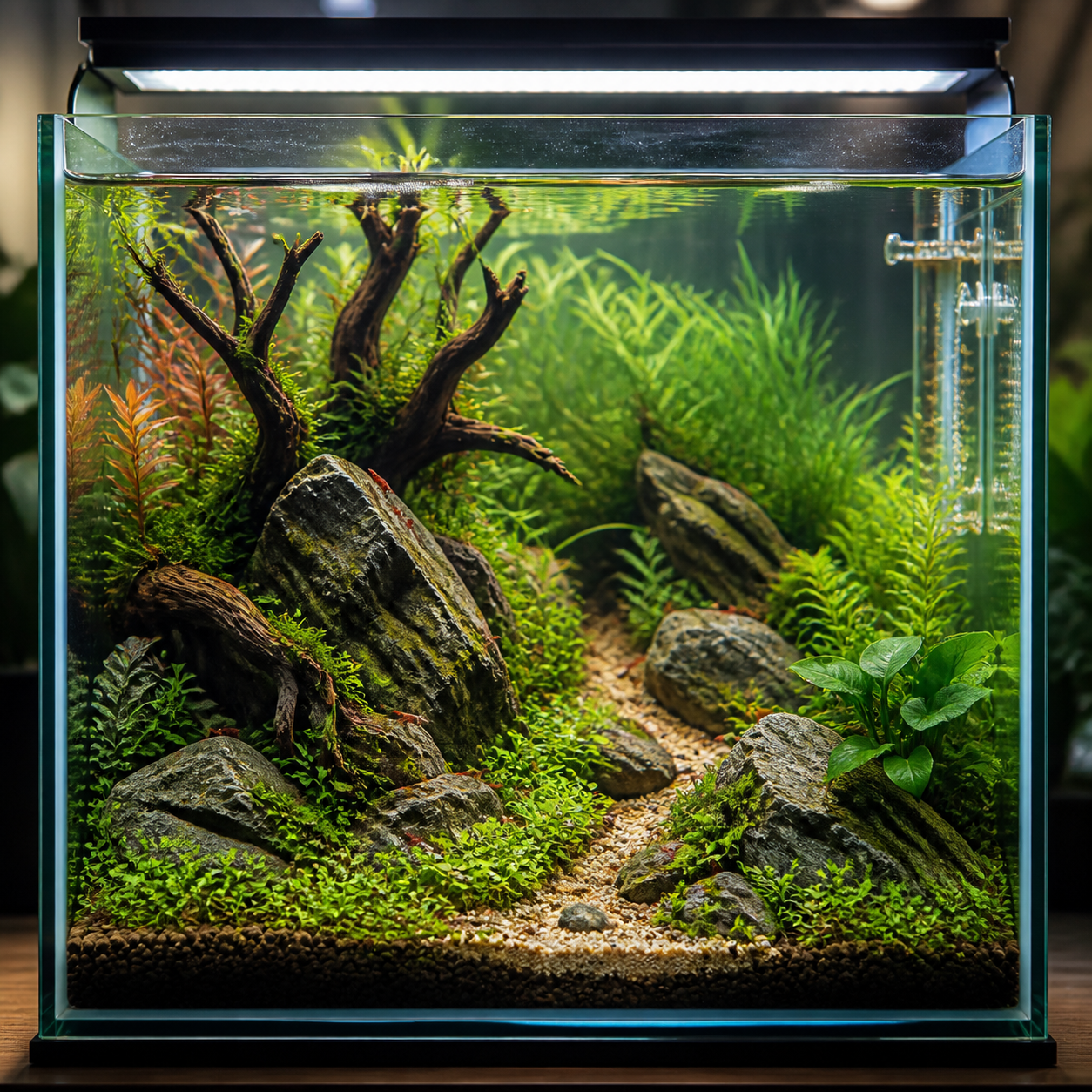
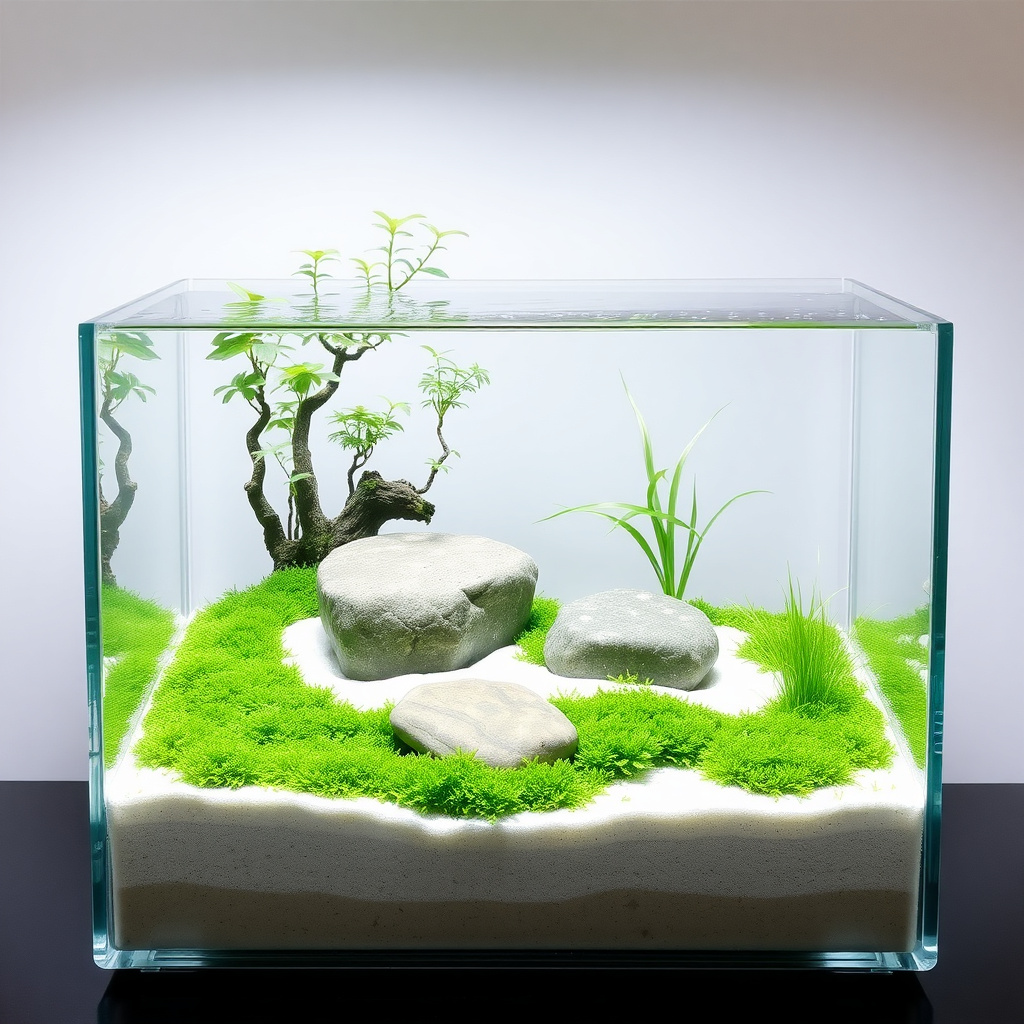
The rule of thirds is the easiest starting point: place your focal point — a dramatic piece of driftwood, a rock formation, or a large plant — one-third from the left or right rather than dead center. Centered layouts tend to look static; off-center compositions feel more natural.
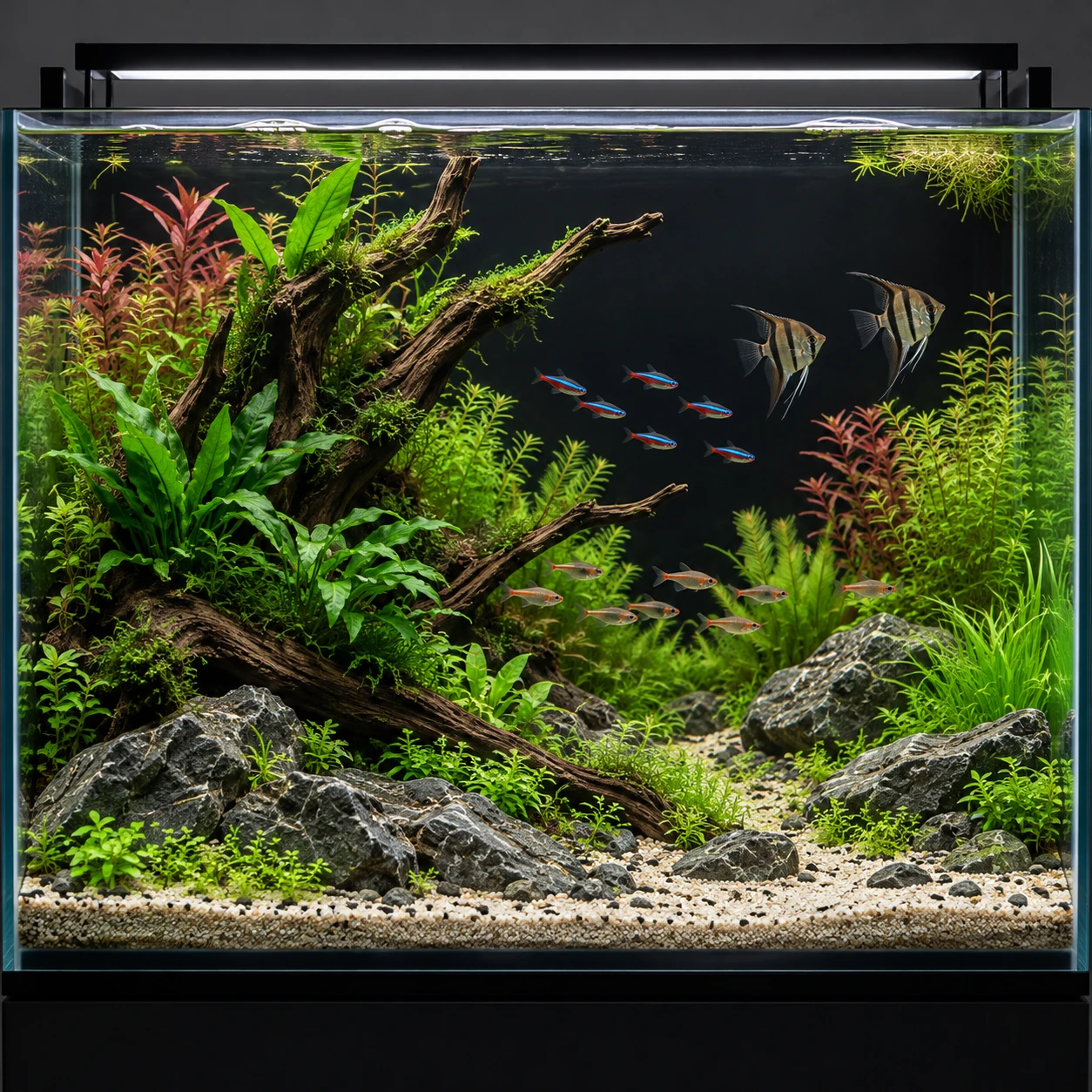
Layer your decor from front to back. Keep the foreground low and open (fine substrate, short plants, small pebbles) so fish are visible. Build height in the midground with rocks and medium plants. Reserve the tallest elements — large driftwood, background plants — for the rear. This creates depth even in a shallow tank.
Negative space is underrated. Leaving open swimming areas isn't laziness — it's intentional design. Fish need room to move, and open space makes the decorated areas read as more dramatic by contrast.
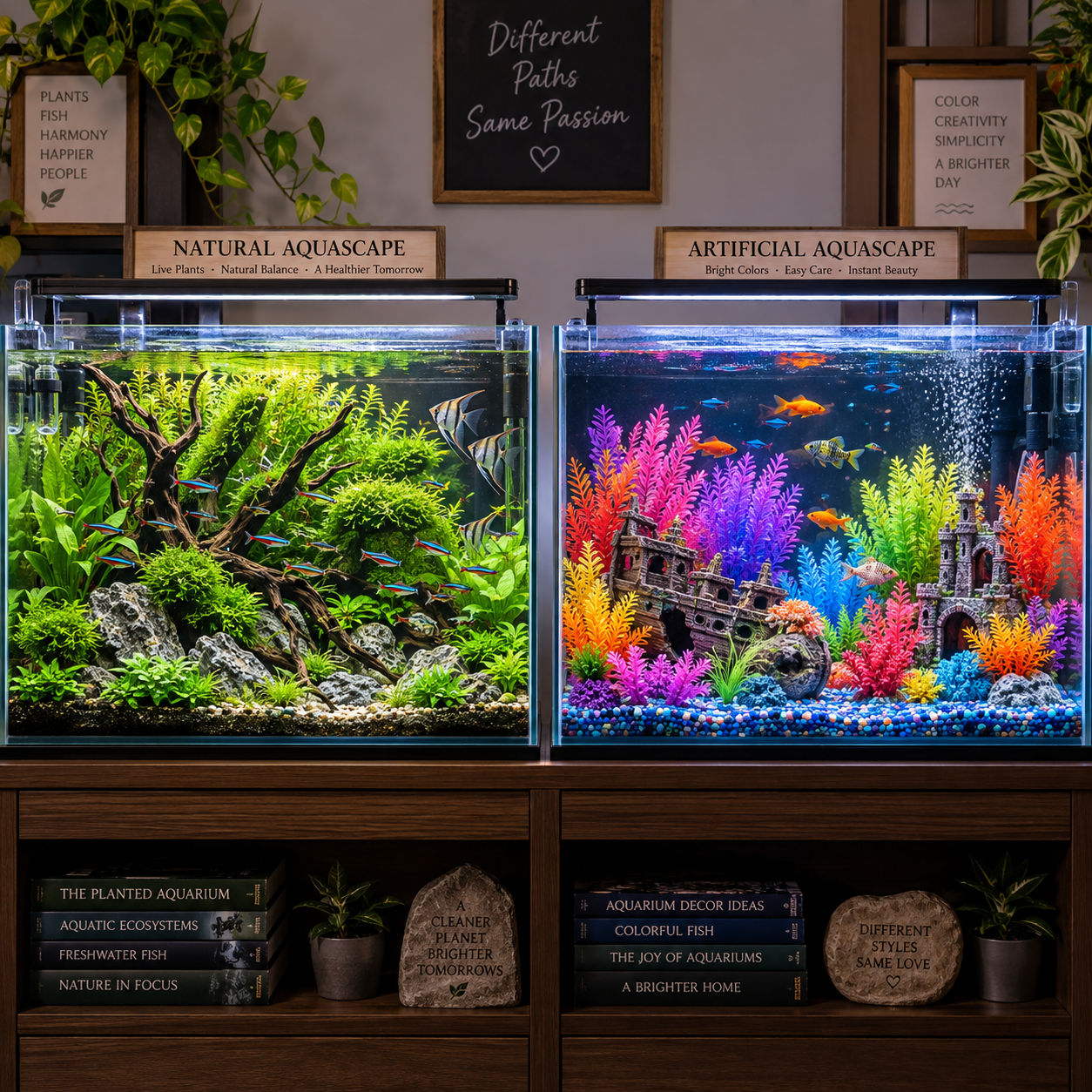
Stick to a consistent color palette and material theme. Mixing slate, terracotta, and white PVC in the same tank can look chaotic. Choose two or three complementary materials and repeat them throughout the layout for visual cohesion.
Common Mistakes to Avoid with DIY Aquarium Decor
Even well-intentioned DIY projects can go wrong. These four mistakes account for most of the problems hobbyists encounter.
Using Sharp-Edged Materials
Rough-cut rocks, broken ceramics, or unfinished PVC edges can tear fins and injure fish — especially long-finned species like bettas and fancy goldfish. Always sand or file any sharp edges before placing items in the tank. Run your finger along every surface; if it catches your skin, it will catch a fin.
Overcrowding the Tank
More decor isn't always better. A densely packed tank restricts swimming space, creates dead zones with poor water circulation, and makes maintenance nearly impossible. As a rough guide, decor (excluding substrate) should occupy no more than 30–40% of the tank volume.
Skipping the pH Test
Introducing limestone, coral rubble, or calcium-rich rocks into a soft-water tank can raise pH by a full point or more within days. For fish adapted to acidic conditions — like most Amazonian species — that shift is stressful and potentially fatal. Always run the vinegar test and research your specific fish's water chemistry needs before adding any new stone.
Rushing the Driftwood Prep
Driftwood that hasn't been properly soaked will float, leach excessive tannins, and can introduce mold into the tank. A week of soaking feels tedious, but it's the difference between a stable tank and a brown, cloudy mess. Some dense hardwoods need two weeks or more before they'll sink reliably.
Frequently Asked Questions
Can I use rocks from outside in my aquarium?
Yes, with preparation. Collect rocks from clean, unpolluted sources — not roadsides or industrial areas. Scrub them thoroughly, boil smaller pieces, and run the vinegar fizz test to check for calcium carbonate content. Avoid rocks with metallic veins or unusual coloration, which can indicate mineral content that may affect water chemistry.
Is hot glue or super glue safe for aquarium decorations?
Super glue (cyanoacrylate) is safe once fully cured — it becomes inert in water and is widely used in aquascaping to attach plants and moss to rocks. Hot glue is generally not recommended; it can soften in warm water and may release compounds over time. For structural bonding, use aquarium-grade silicone instead.
How do I know if a material will affect my tank's pH?
The vinegar test works for calcium-based materials: a fizzing reaction means the material will raise pH and hardness. For plastics and ceramics, soak a sample in a sealed container of dechlorinated water for 48–72 hours, then test the water's pH against an untreated control sample. A measurable difference means the material is leaching something.
Can I paint aquarium decorations, and if so, what paint is safe?
Most paints are not safe for prolonged submersion. If you want to add color, use epoxy-based aquarium paint or two-part epoxy resin rated for underwater use — these cure to a hard, inert finish. Allow full cure time (usually 72 hours minimum) and soak the piece in water for several days before adding it to the tank. Standard acrylic or latex craft paint will eventually peel and leach pigments.
How long should I soak driftwood before putting it in the tank?
Most driftwood needs 1–2 weeks of soaking, with water changes every 2–3 days. Dense hardwoods like mopani or Malaysian driftwood can take 3–4 weeks to fully waterlog and sink. The water will run progressively clearer as tannins leach out — that's your visual cue that the wood is ready. Some tannin release will continue in the tank, which is harmless and even beneficial for many tropical species.