DIY Aquarium Decor: Safe, Creative Ideas Your Fish Will Love DIY Aquarium Decor: Safe, Creative Ideas Your Fish Will Love The Best Plants for a Beginner Aquascape (and How to Use Them) The Best Plants for a Beginner Aquascape (and How to Use Them) How to Create a Natural Habitat for Your Fish: A Practical Aquarium Setup Guide How to Create a Natural Habitat for Your Fish: A Practical Aquarium Setup Guide

How to Create a Natural Habitat for Your Fish: A Practical Aquarium Setup Guide

Most aquarium problems — stressed fish, faded colors, constant hiding, unexplained deaths — trace back to one root cause: the tank doesn't match where the fish actually came from. Recreating a natural habitat isn't about making your aquarium look like a nature documentary. It's about giving your fish the environmental cues their biology expects.

Why a Natural Habitat Matters for Fish Health

A species-appropriate environment directly reduces stress, supports natural behavior, and extends your fish's lifespan. Fish kept in mismatched conditions spend energy compensating for the wrong temperature, pH, or lack of shelter — energy that should go toward growth, immune function, and reproduction.

Cichlids that can't establish territory become aggressive. Corydoras kept on sharp gravel damage their sensitive barbels. Betta fish in bare tanks with no cover show signs of chronic stress within weeks. These aren't edge cases — they're predictable outcomes when habitat design ignores species needs.

The good news: a functional natural habitat is achievable at any budget or tank size. A 10-gallon tank with the right substrate, a few live plants, and appropriate water parameters will serve your fish far better than a 50-gallon showpiece filled with plastic castles and the wrong water chemistry.

Research Your Fish's Native Environment First

Before buying a single decoration, identify where your fish species originates — the specific river system, lake, or coastal zone it evolved in. That origin point determines every design decision that follows.

A few useful categories to start with:

  • Amazonian rivers (tetras, discus, angelfish): soft, acidic water; dark substrate; tannin-stained water from leaf litter and driftwood
  • African Rift Lakes (mbuna cichlids, frontosa): hard, alkaline water; rocky terrain; minimal plant life
  • Southeast Asian streams (rasboras, gouramis, betta): slow to moderate flow; dense vegetation; neutral to slightly acidic pH
  • Brackish estuaries (archer fish, figure-eight puffer): mixed fresh and salt water; mangrove roots; variable salinity

The FishBase database is a reliable starting point for species-specific habitat data. Look up your fish's native range, water parameters, and preferred microhabitat before you design anything.

Choosing the Right Substrate

Substrate type affects fish behavior, plant growth, and water chemistry — it's not just a cosmetic choice. The wrong substrate can injure bottom-dwelling fish, inhibit plant roots, and shift your tank's pH in ways that are hard to correct later.

Here's how the main options break down:

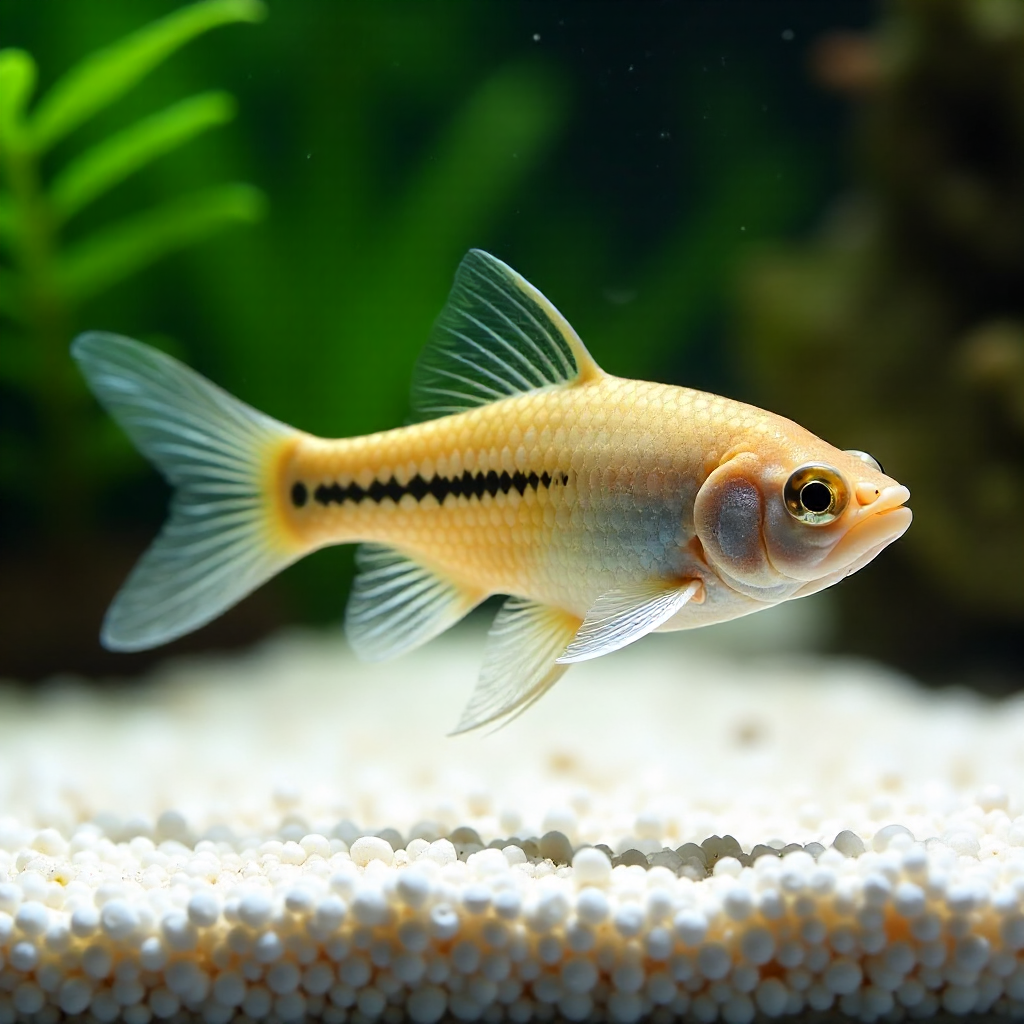
  • Fine sand: ideal for corydoras, loaches, and any fish that sifts the bottom. Soft on barbels and fins. Doesn't anchor plants as well as soil, but works with weighted plant pots or root tabs.
  • Gravel: good for cichlids and fish that don't dig. Allows water circulation through the substrate, which supports beneficial bacteria colonies. Avoid sharp-edged gravel for bottom dwellers.
  • Aquatic soil (nutrient-rich substrate): the best choice for planted tanks. Brands like ADA Amazonia or Fluval Stratum release nutrients directly to plant roots and naturally lower pH — useful for soft-water species.

Depth matters too. Most planted tanks need at least 3 inches of substrate for root development. For fish that bury themselves (like kuhli loaches or some cichlids), 4 inches of fine sand gives them the behavioral outlet they need.

Adding Hardscape: Rocks, Driftwood, and Caves

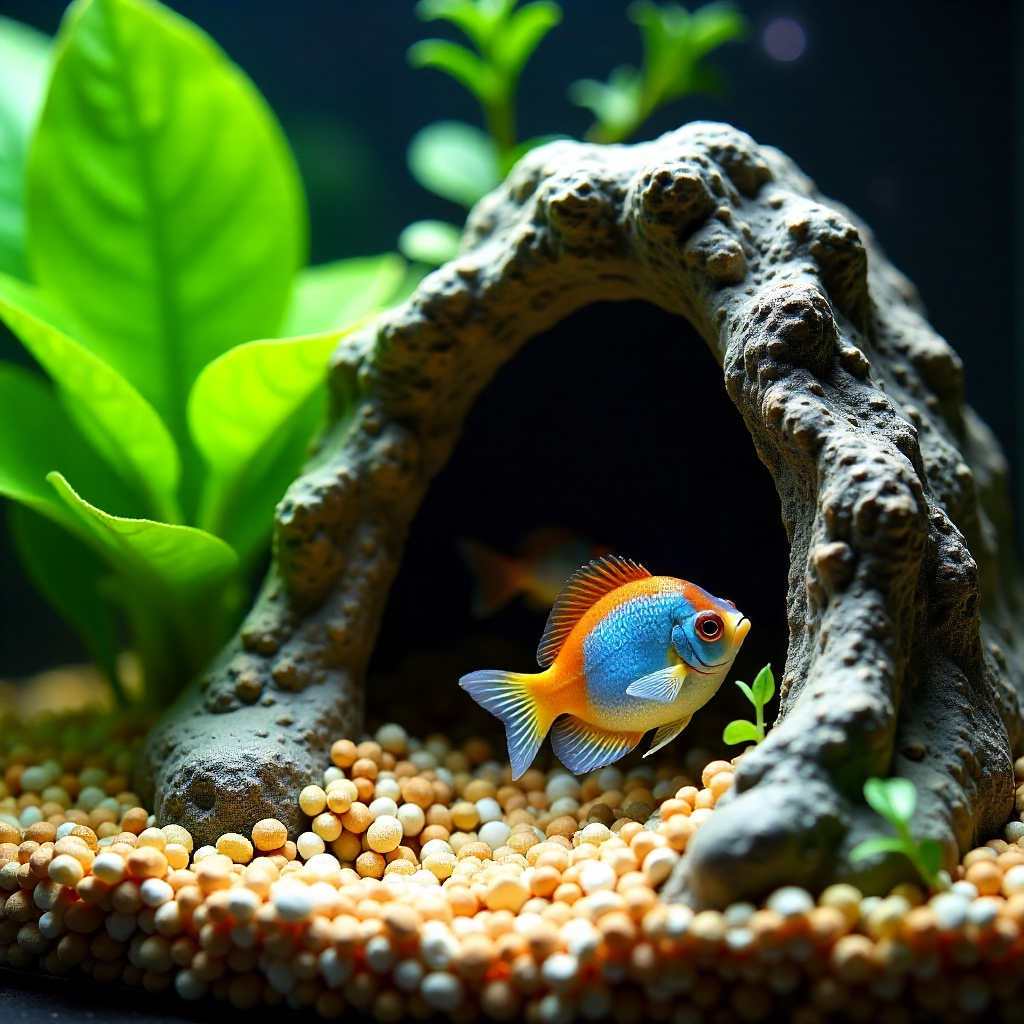
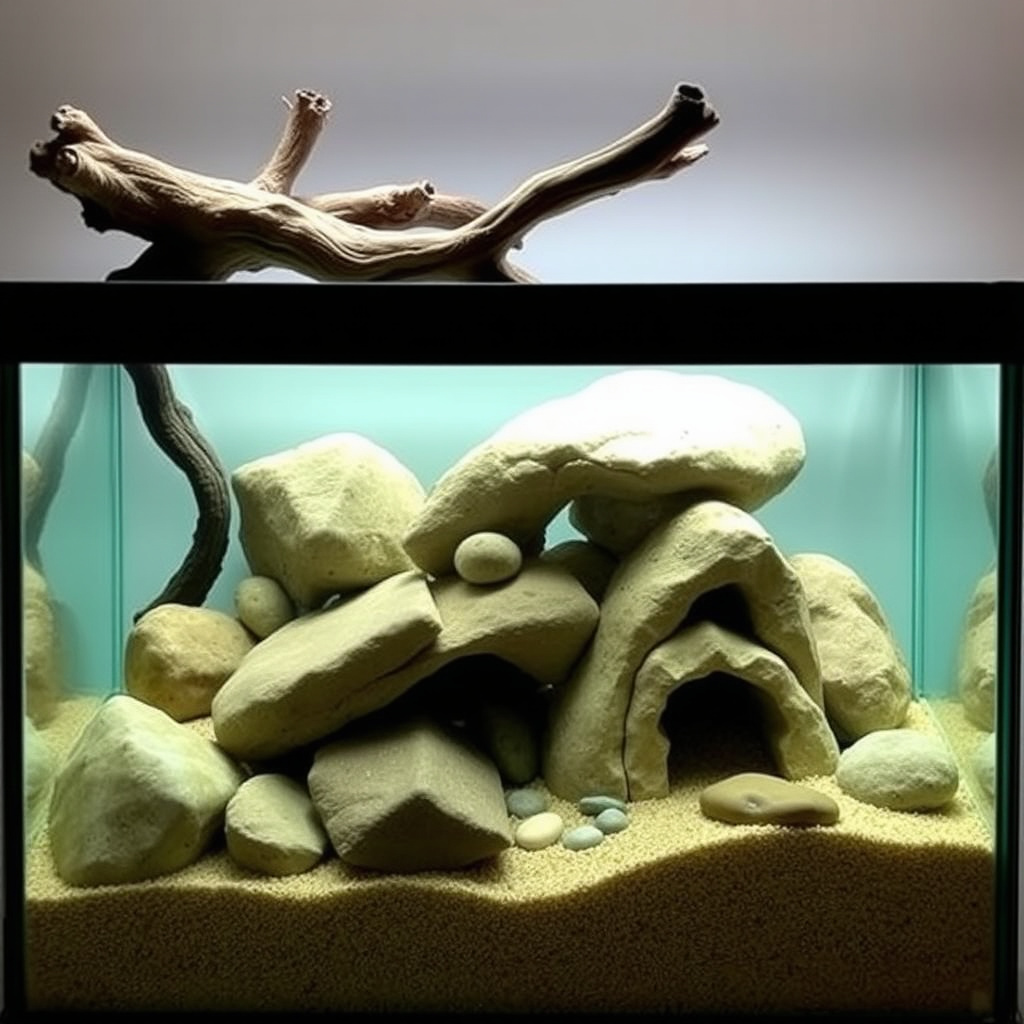
Rocks, driftwood, and caves serve a biological function — they create territory, reduce aggression, and give prey fish somewhere to retreat. A tank without hiding spots is a tank full of stressed fish, regardless of how clean the water is.

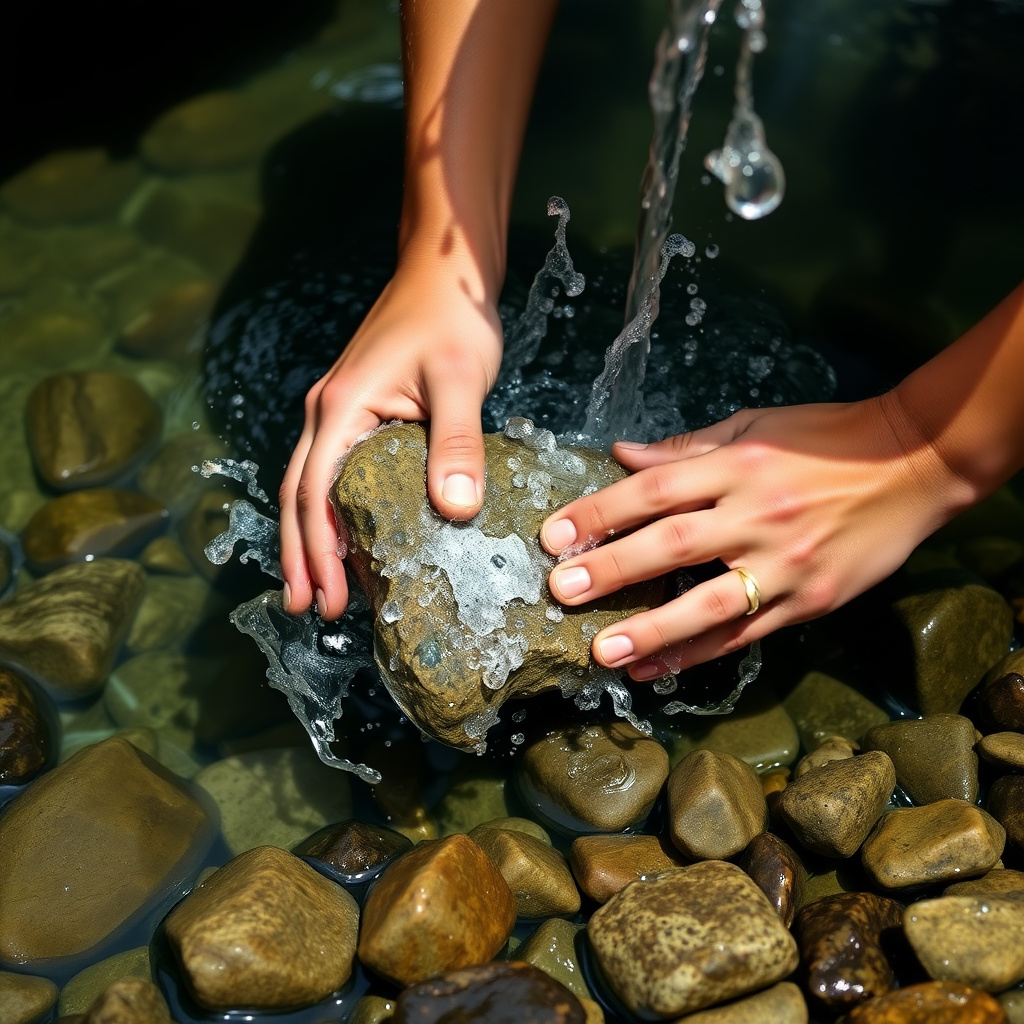
Driftwood releases tannins that soften water and lower pH — a natural fit for Amazonian species. It also provides grazing surfaces for plecos and other wood-rasping fish. Mopani wood and spider wood are popular choices that stay waterlogged without floating. Boil new driftwood for 30–60 minutes before adding it to the tank to remove excess tannins and kill surface bacteria.

Rocks work differently. Limestone and coral rock raise pH and hardness, making them appropriate for African cichlid tanks but problematic for soft-water species. Inert options like slate, lava rock, and river stones won't affect water chemistry and work across most setups.

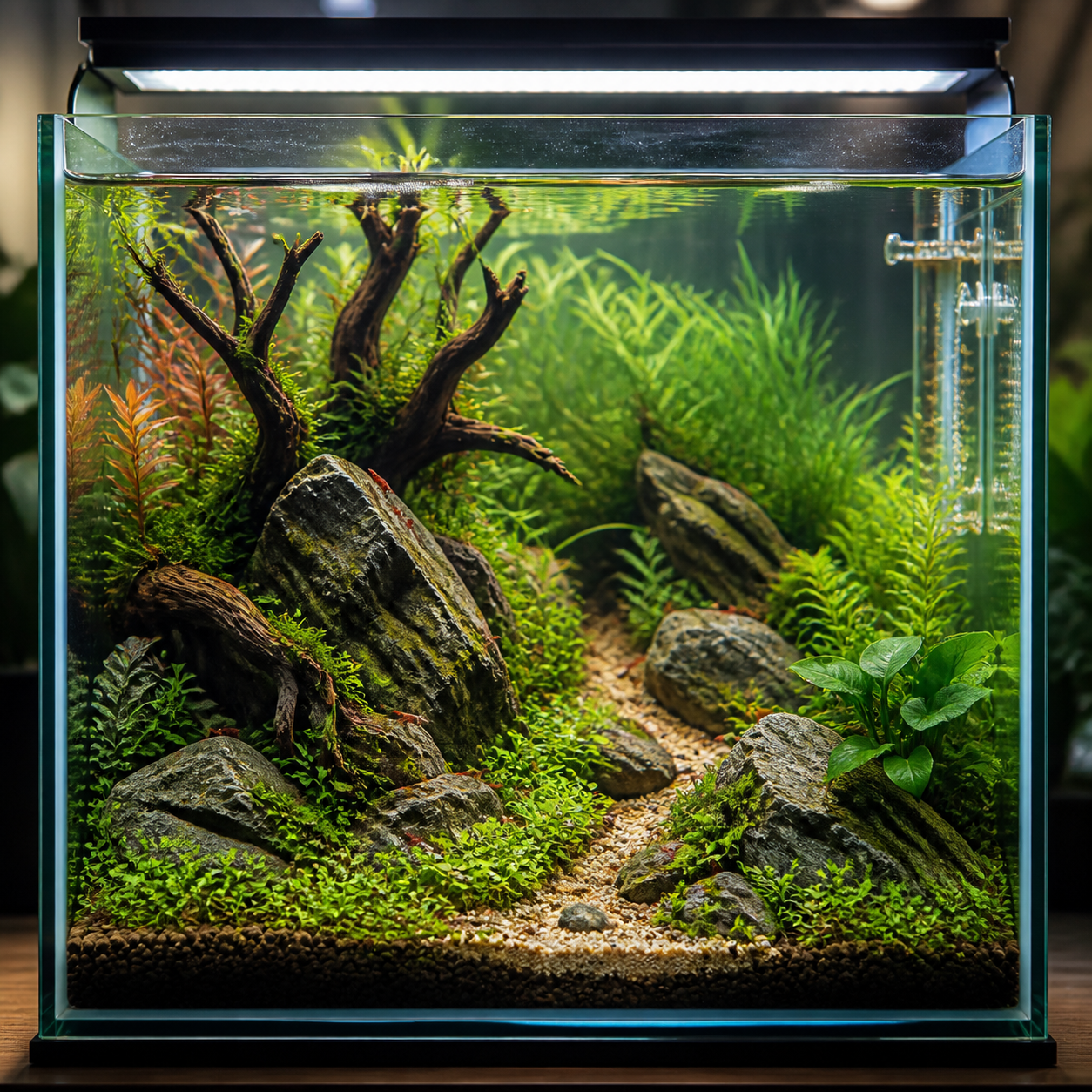
When arranging hardscape, think in terms of zones rather than symmetry. Cluster rocks on one side to create a high-density shelter area, leave open swimming space in the middle, and use driftwood to create visual depth toward the back. Odd numbers of elements tend to look more natural than even groupings.

Incorporating Live Plants

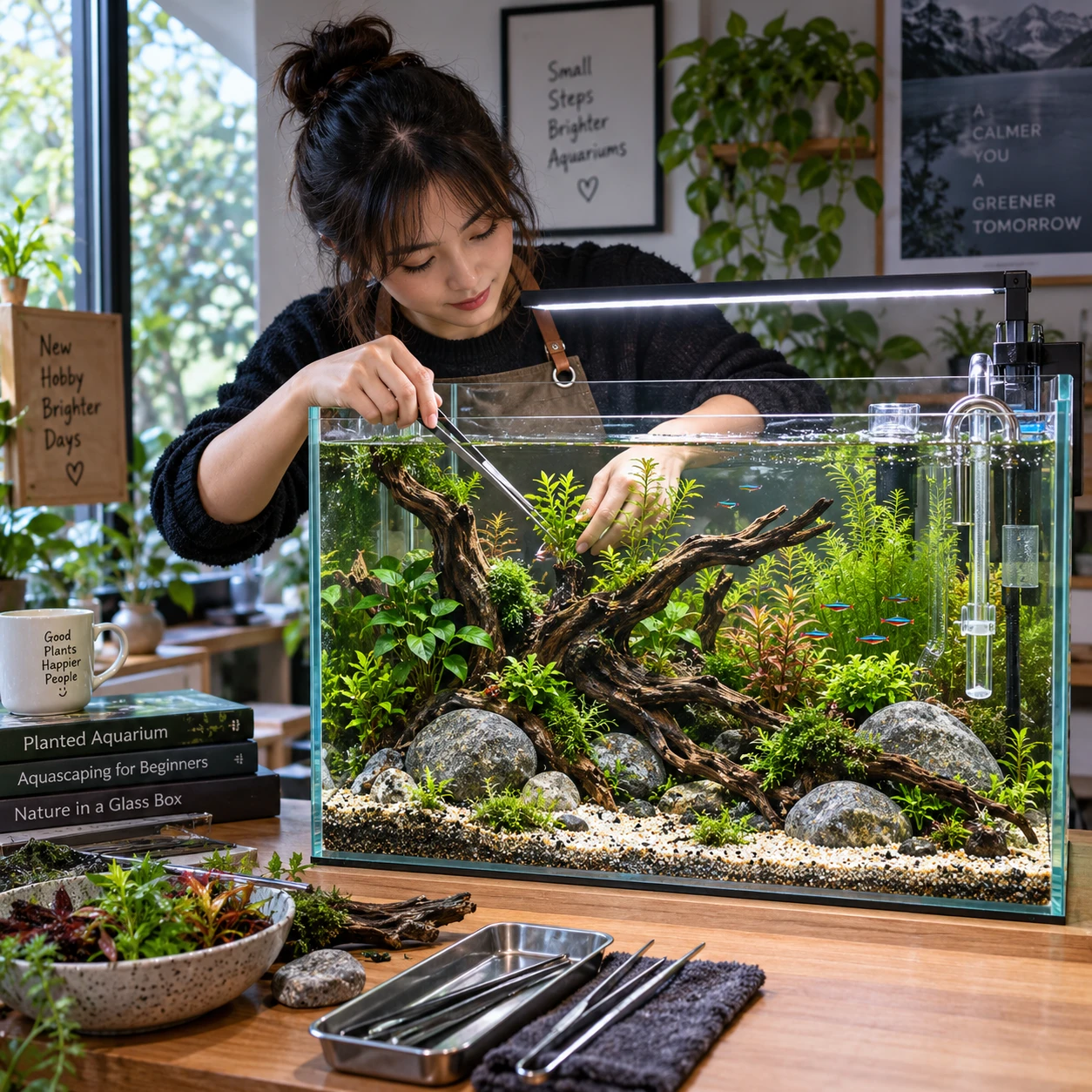
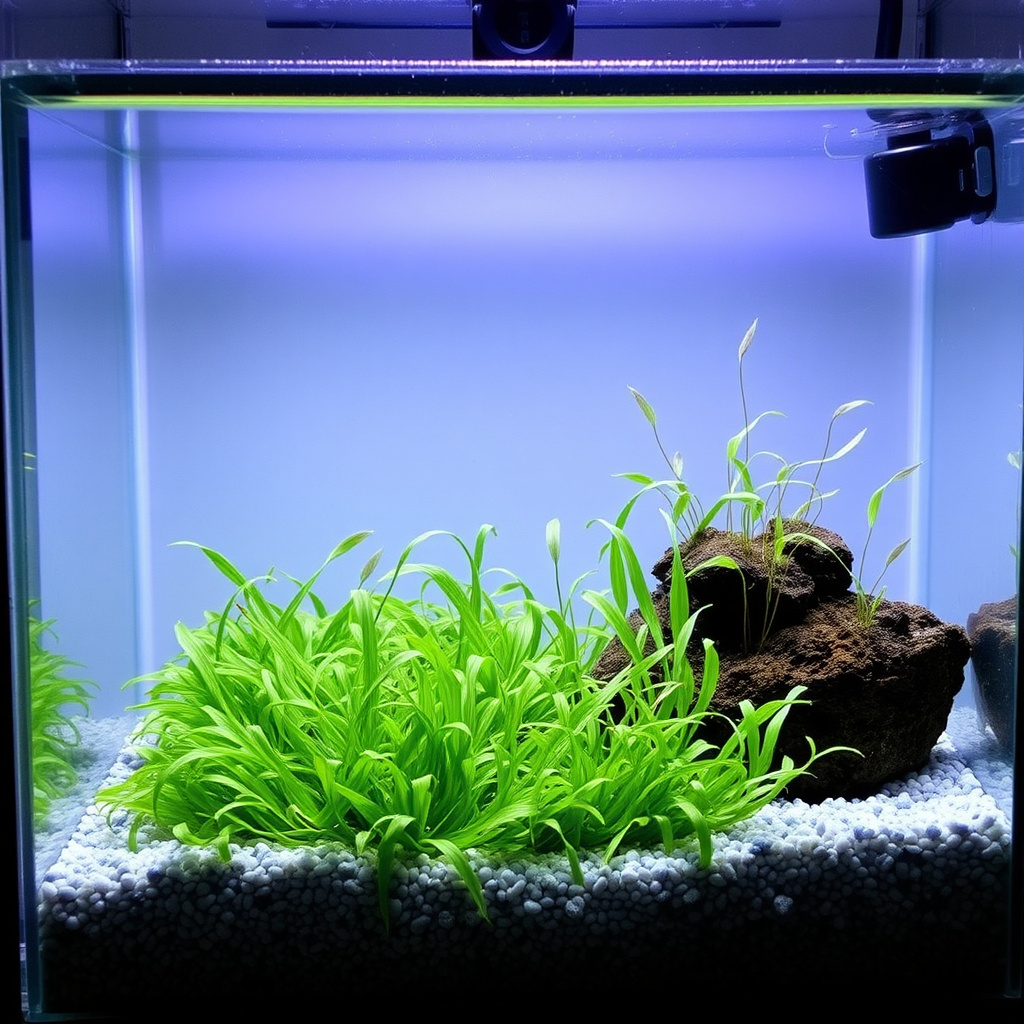
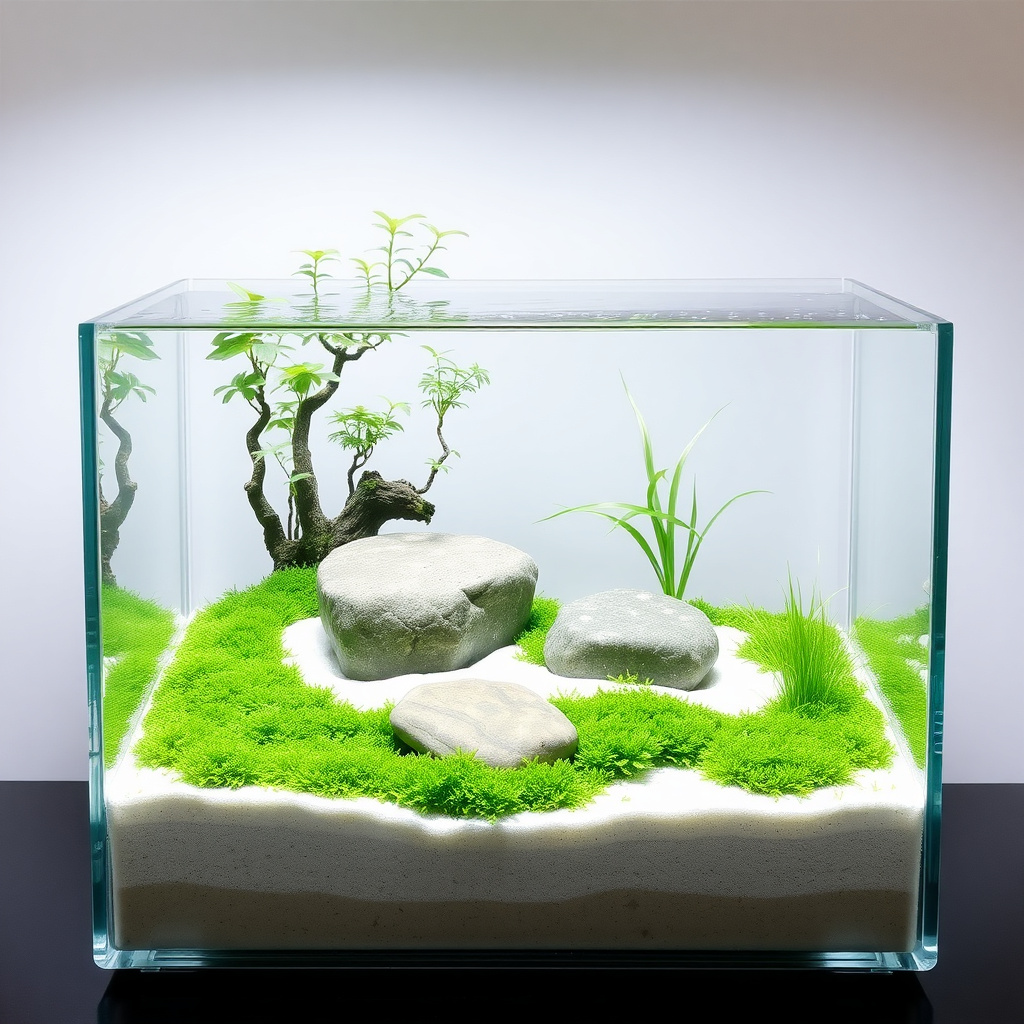
Live aquatic plants replicate natural cover, oxygenate the water, absorb nitrates, and outcompete algae for nutrients. They also give fish behavioral cues — spawning triggers, territory markers, and refuge from tank mates.

For beginners, these species are forgiving and effective:

  • Java fern and Anubias: attach to driftwood or rocks; don't need soil; tolerate low light
  • Amazon sword: large background plant; thrives in nutrient-rich substrate; natural for South American setups
  • Hornwort and water sprite: fast-growing stem plants that absorb nitrates quickly; good for cycling new tanks
  • Cryptocoryne species: mid-ground plants suited to Southeast Asian biotopes; slow-growing but very hardy

Lighting spectrum matters here. Most freshwater plants do well under a full-spectrum LED in the 6500K–7000K range, running 8–10 hours per day. More light without CO2 supplementation tends to fuel algae rather than plant growth, so start with moderate intensity and adjust based on what you observe.

One honest trade-off: live plants require more maintenance than artificial ones. Trimming, fertilizing, and managing algae are ongoing tasks. But the biological benefits — natural filtration, oxygen production, reduced fish stress — make that effort worthwhile for most setups.

Dialing In Water Parameters and Flow

Water parameters are the invisible half of habitat design. A tank can look perfect and still be biologically wrong if the temperature, pH, or current doesn't match the species inside.

Start with these core parameters and match them to your fish's native range:

  • Temperature: tropical fish generally need 74–82°F (23–28°C); coldwater species like goldfish prefer 65–72°F
  • pH: Amazonian species thrive at 5.5–7.0; African Rift Lake cichlids need 7.8–8.5; most community fish are comfortable at 6.8–7.4
  • Water hardness (GH/KH): soft-water fish struggle to regulate osmosis in hard water; hard-water species often show poor color and health in soft conditions

Filtration and water flow are equally important. Fast-flowing river fish like hillstream loaches need strong current and high oxygenation. Betta fish and gouramis come from slow-moving water and find strong flow exhausting. Position your filter outlet to create the appropriate current pattern — deflecting it against the glass diffuses flow for calmer species.

Before adding fish, complete a full nitrogen cycle to establish beneficial bacteria colonies in your filter media. This process typically takes 4–6 weeks and converts toxic ammonia into nitrite, then into relatively harmless nitrate. Skipping this step is the single most common cause of new tank syndrome and early fish loss.

Bringing It All Together: Layout and Stocking Tips

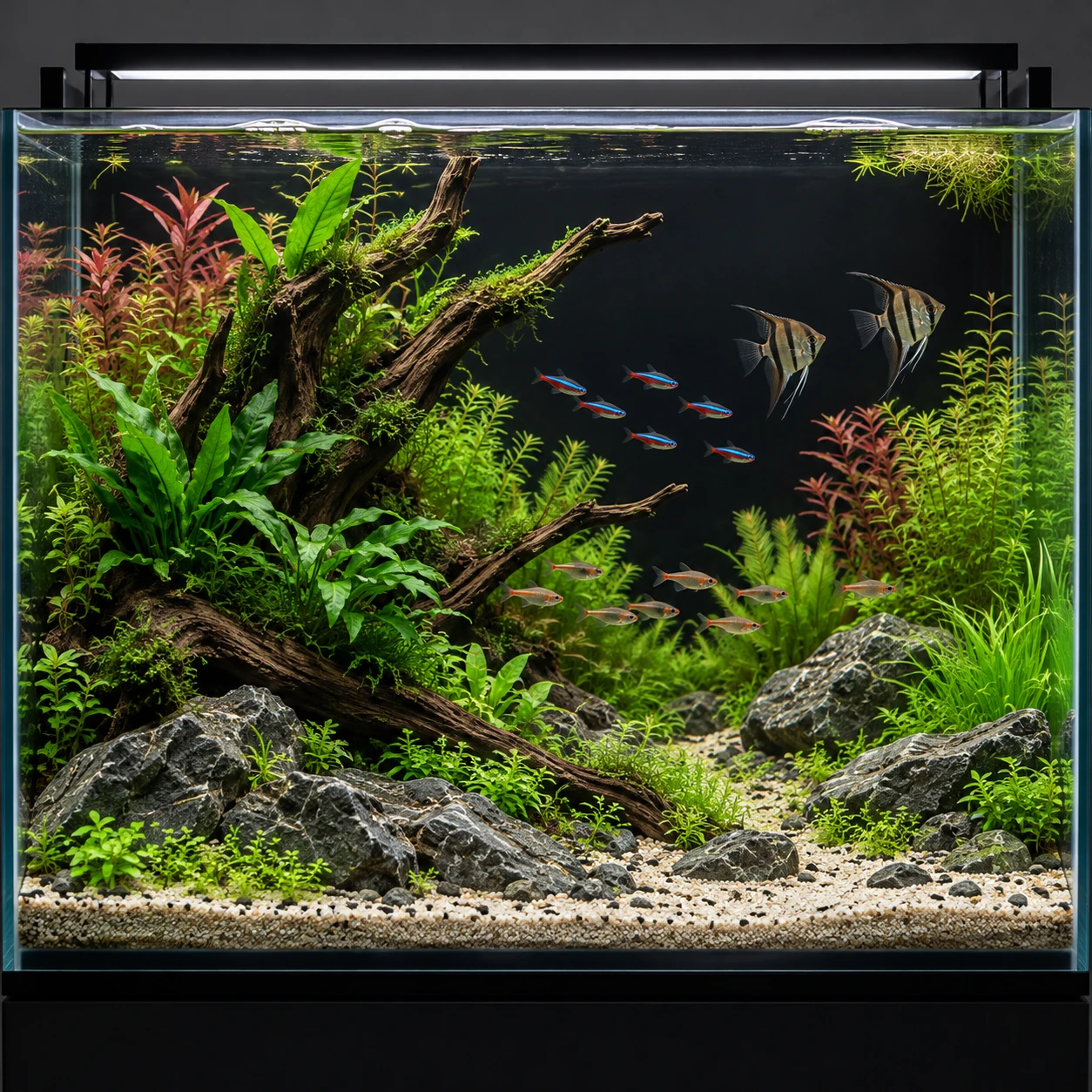
A cohesive natural habitat comes from layering your design choices — substrate, hardscape, plants, and water parameters — so they reinforce each other rather than conflict. Think of it as building a biotope aquarium, even if you're not following strict geographic rules.

A practical layout approach for a standard rectangular tank:

  • Place taller plants and larger hardscape toward the back and sides
  • Keep the front third open for swimming space and visibility
  • Use mid-ground plants and smaller rocks to create visual transitions
  • Add leaf litter (Indian almond leaves work well) for Amazonian or Southeast Asian setups — it releases tannins, lowers pH slightly, and gives small fish natural cover

When stocking, choose fish that occupy different water column levels — surface dwellers, mid-water schooling fish, and bottom feeders — to reduce competition and create a more dynamic, natural-looking community. Avoid mixing species from incompatible habitats: pairing African cichlids with soft-water tetras creates a situation where one group is always in the wrong water chemistry.

Start with fewer fish than you think you need. A lightly stocked, well-planted tank with stable water parameters will look more alive and natural than an overcrowded one within a few months.

Frequently Asked Questions

What is a biotope aquarium and do I need one?

A biotope aquarium replicates a specific geographic location — the exact plants, fish, substrate, and water chemistry of a real ecosystem. You don't need to follow strict biotope rules to create a healthy natural habitat. Using species-appropriate decor and water parameters gets you most of the benefit without the research overhead of a true biotope build.

Can I mix fish from different natural habitats in one tank?

Sometimes, but carefully. Fish with overlapping water parameter ranges can coexist — many community fish from South America and Southeast Asia share similar pH and temperature preferences. The problems arise when you mix species with fundamentally different needs, like hard-water cichlids with soft-water tetras. Research each species before combining them.

Are artificial plants okay in a natural-style tank?

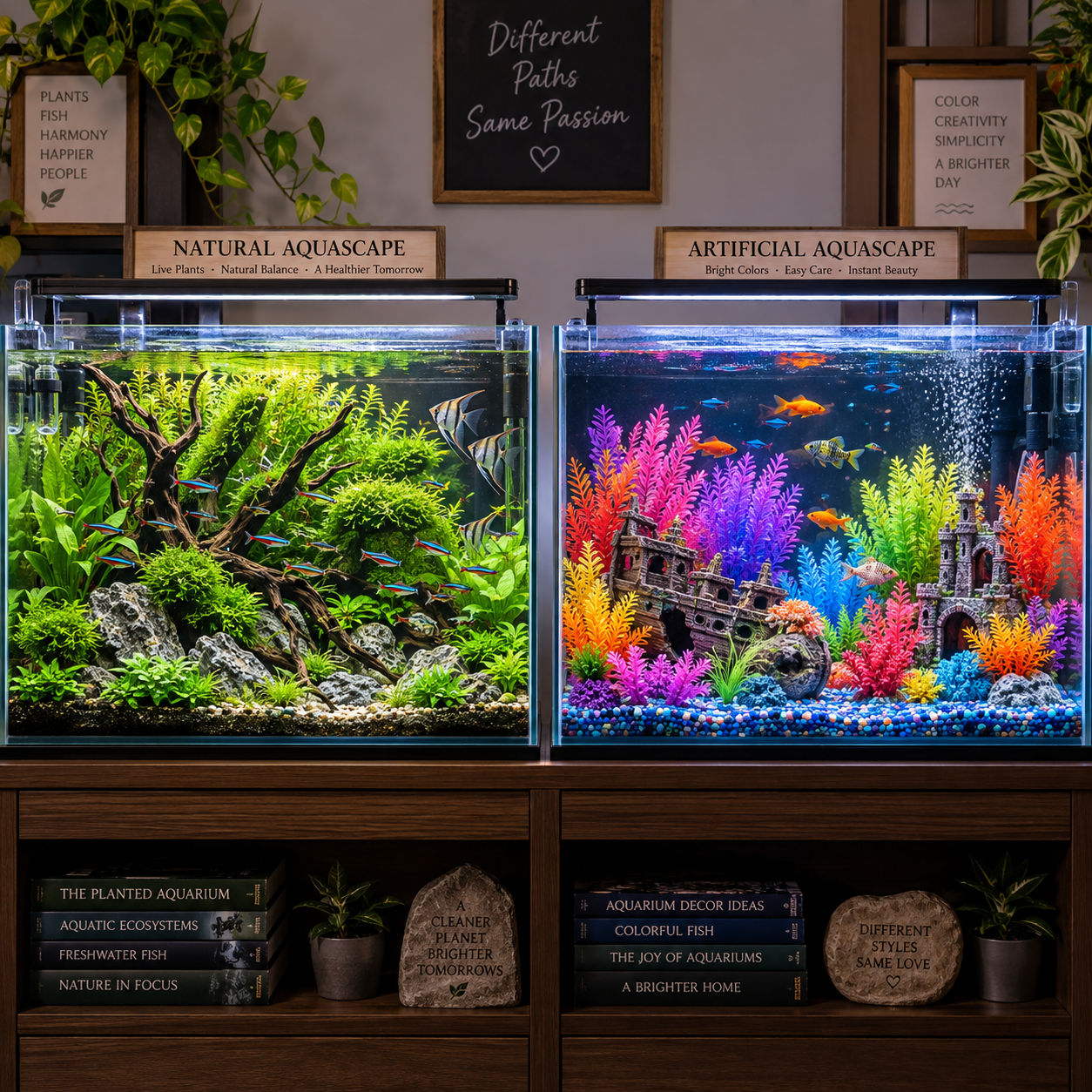
Artificial plants provide hiding spots and visual cover, but they don't filter water, produce oxygen, or compete with algae. For fish health, live plants are meaningfully better. If you use artificial plants, choose silk over plastic — they're softer on fins and look more realistic. A hybrid approach (some live, some artificial) works for hobbyists who want lower maintenance without going fully artificial.

How do I keep a natural-looking tank clean?

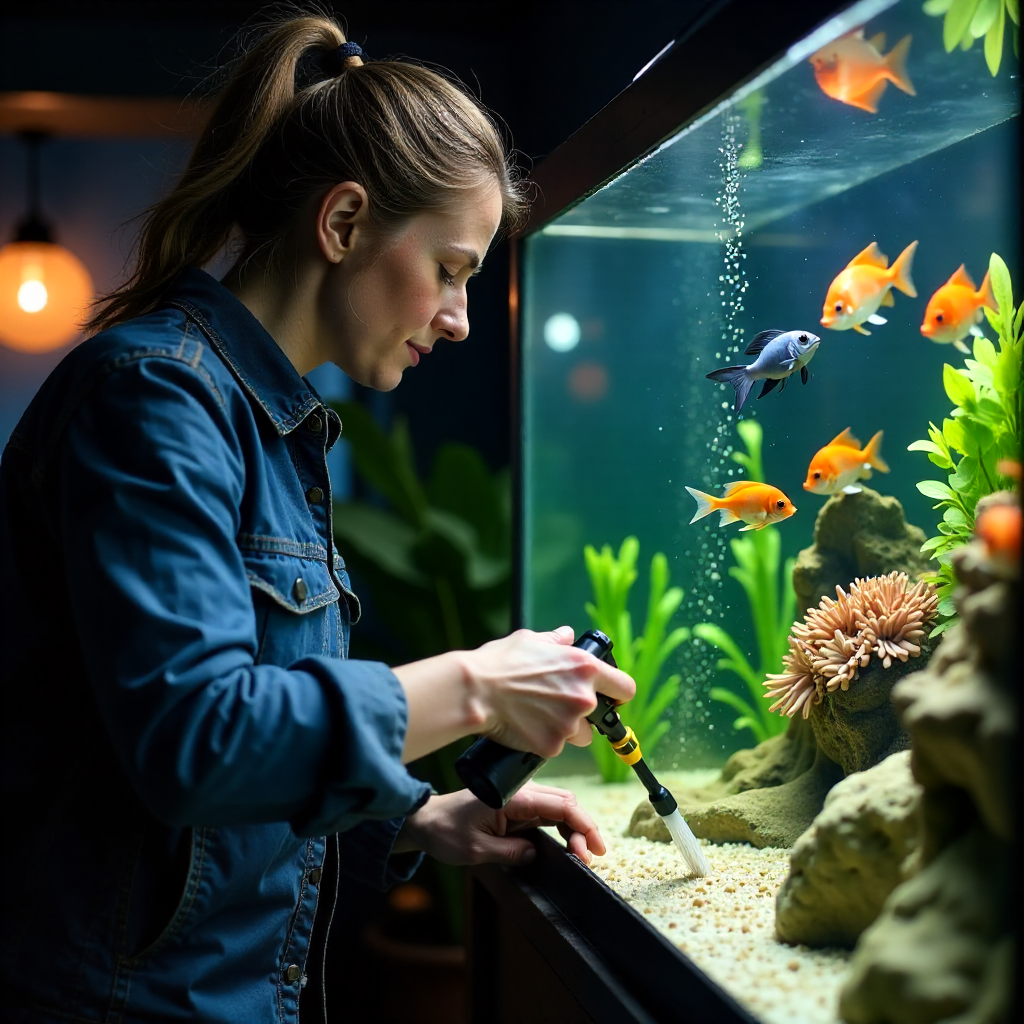
Regular partial water changes (25–30% weekly) remove nitrates that plants can't fully absorb. Siphon the substrate during water changes to remove waste buildup. Trim plants before they become overgrown and block light from lower-level growth. A clean tank and a natural-looking tank aren't in conflict — consistent maintenance is what keeps both possible.

What are the easiest fish to keep in a natural habitat setup?

Neon tetras, corydoras catfish, and guppies are forgiving species that thrive in well-planted community tanks with stable parameters. For a more species-specific setup, endlers livebearers in a planted tank or a single betta in a heavily planted 10-gallon are both achievable for beginners and genuinely rewarding to watch.

{{HOMEPAGE_LINKS}}