DIY Aquarium Decor: Safe, Creative Ideas Your Fish Will Love DIY Aquarium Decor: Safe, Creative Ideas Your Fish Will Love The Best Plants for a Beginner Aquascape (and How to Use Them) The Best Plants for a Beginner Aquascape (and How to Use Them) How to Create a Natural Habitat for Your Fish: A Practical Aquarium Setup Guide How to Create a Natural Habitat for Your Fish: A Practical Aquarium Setup Guide

Top 10 Aquarium Themes for Freshwater Tanks (With Decor Ideas for Each)

Why Choosing a Theme Makes a Better Aquarium

A cohesive aquarium theme transforms a glass box of water into a living display that's genuinely satisfying to look at — and better for your fish. When your substrate, plants, lighting, and ornaments all work toward the same visual goal, the result feels intentional rather than cluttered.

Beyond aesthetics, a well-chosen theme often mirrors a fish's natural habitat. That matters more than most beginners realize. Fish kept in environments that reflect their native conditions tend to show more natural behavior, less stress, and stronger color. A betta in a blackwater setup with tannin-stained water and leaf litter behaves very differently than one in a bare tank with a plastic castle.

Themes also make purchasing decisions easier. Instead of buying random aquarium decor and hoping it looks good together, you have a filter: does this piece fit the theme? That saves money and prevents the "garage sale" look that plagues many beginner tanks.

What to Consider Before Picking a Theme

Before committing to a theme, four practical factors should guide your choice: tank size, fish compatibility, budget, and maintenance commitment.

  • Tank size: A 10-gallon tank can pull off a minimalist Iwagumi or a small blackwater setup beautifully. A jungle or Amazon biotope, however, needs at least 30–40 gallons to avoid looking cramped once plants fill in.
  • Fish species: Your fish should drive the theme, not the other way around. African cichlids need rocky, open terrain — they'll uproot live plants within days. Conversely, a planted Dutch-style tank is wasted on goldfish that will eat everything green.
  • Budget: Some themes (Iwagumi, Dutch planted) require quality soil substrate, CO2 injection, and high-output LED aquarium lighting. Others, like sunken ruins or fantasy setups, work fine with basic gravel and standard lighting.
  • Maintenance level: Live plants add beauty but also trimming, fertilizing, and occasional replanting. If you want a low-maintenance tank, lean toward themes that work well with artificial plants or hardscape-only designs.

Honest self-assessment here prevents a lot of frustration. A stunning high-tech planted tank that you can't maintain will look worse after three months than a simple, well-kept rocky cichlid setup.

The Top 10 Freshwater Aquarium Themes

1. Natural Planted / Dutch Style

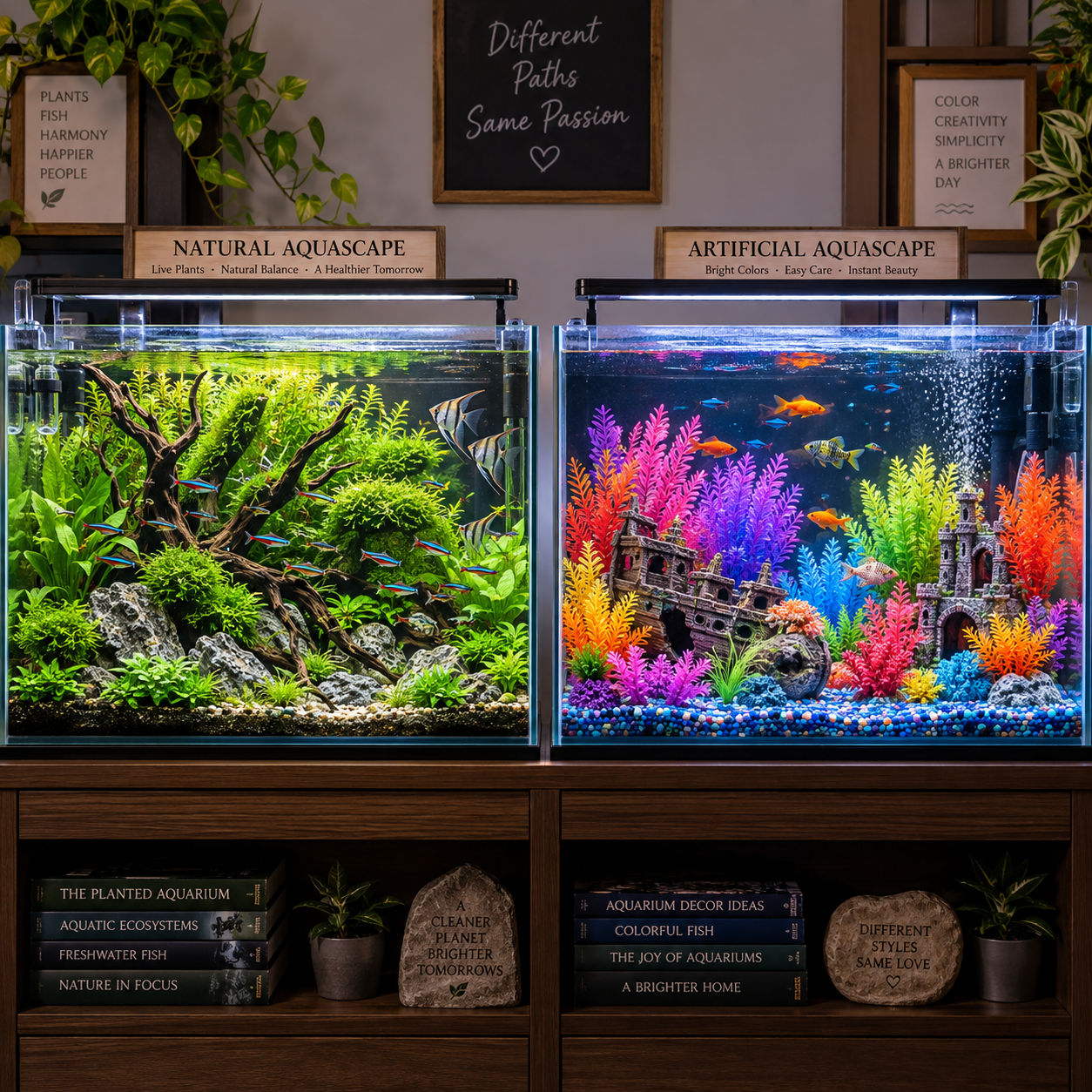
The Dutch planted tank is the classic of freshwater aquascaping — dense, colorful, and structured like a garden. Rows of contrasting plant species create depth and visual rhythm. Substrate is nutrient-rich aquasoil, lighting is high-output LED, and CO2 injection is standard. Best for community fish like tetras, rasboras, and corydoras. Difficulty: Intermediate to Advanced.

2. Amazon Biotope

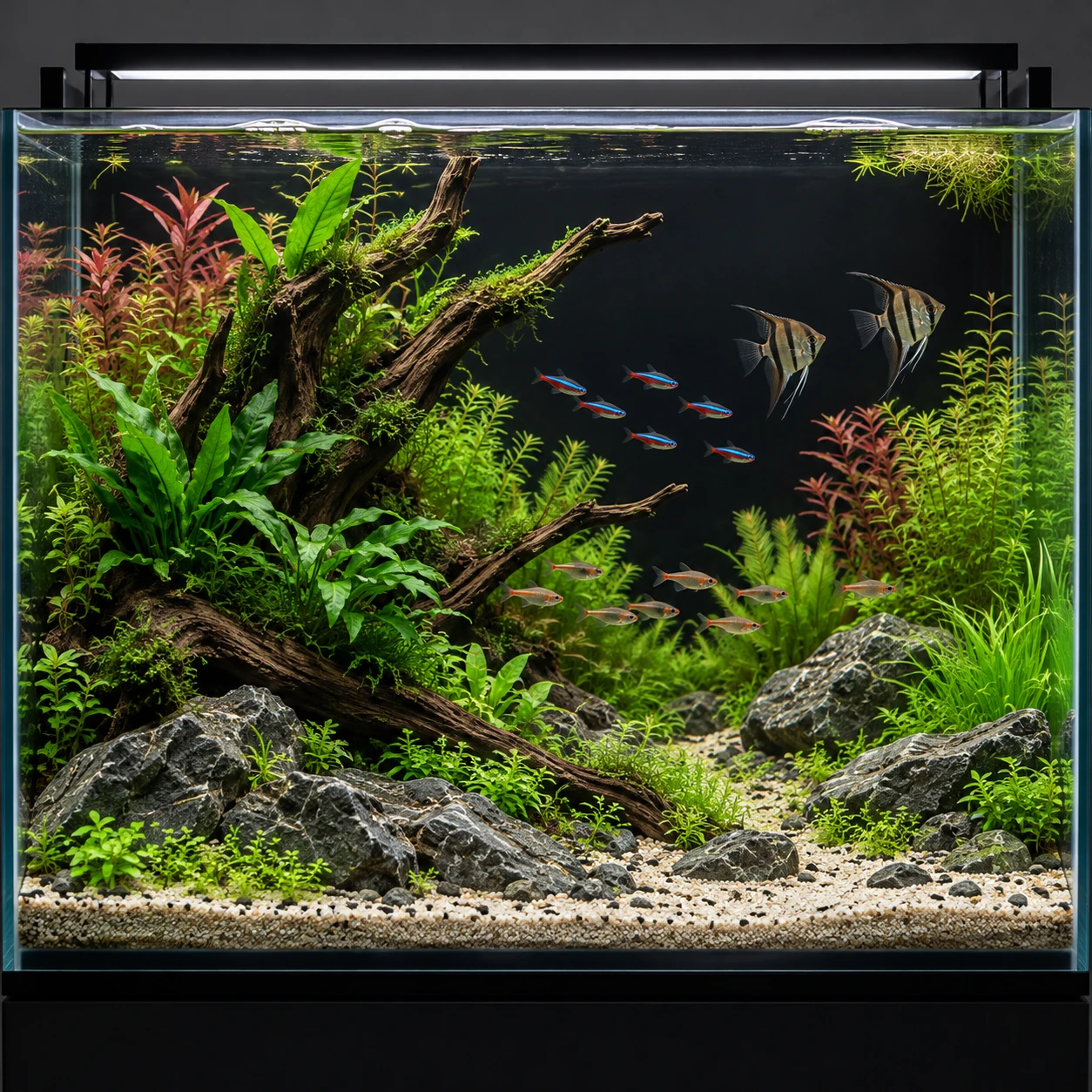
An Amazon biotope recreates a specific slice of South American river habitat. Think fine sand substrate, driftwood branches, dried leaves, and dim lighting filtered through tannins. Plants like Amazon swords and vallisneria anchor the look. Ideal fish include discus, angelfish, and cardinal tetras — species that actually come from this region. Difficulty: Intermediate.

3. Jungle / Overgrown

The jungle theme leans into controlled chaos — tall background plants, floating species covering the surface, and tangled driftwood creating a dense, wild feel. There's no strict layout rule here, which makes it forgiving for beginners. Java fern, hornwort, and water sprite thrive in this setup. Most peaceful community fish work well. Difficulty: Beginner to Intermediate.

4. Zen / Japanese Garden

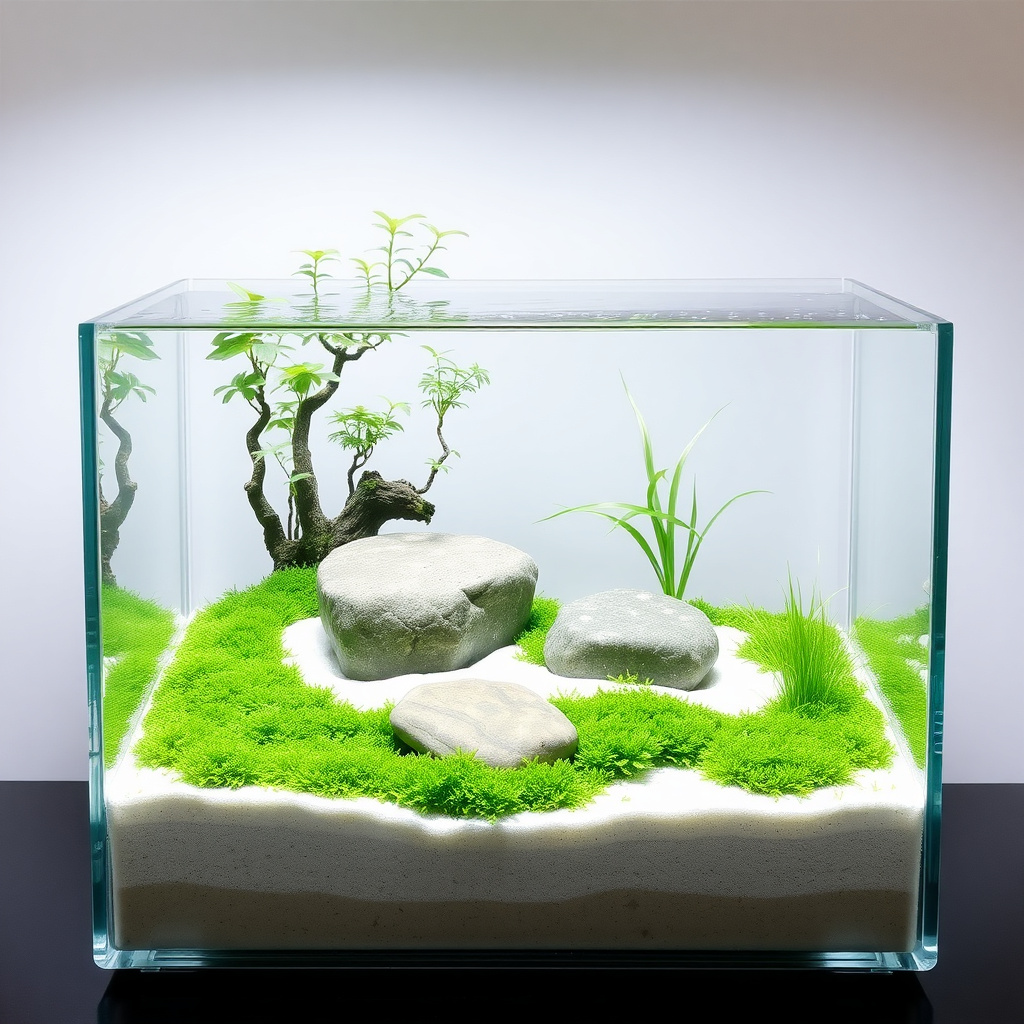
Inspired by Japanese dry gardens, this theme uses carefully placed stones, fine sand raked into patterns, and minimal plant life — often just moss on rocks or a few small foreground plants. The visual effect is calm and uncluttered. White cloud mountain minnows or small danios complement the aesthetic without overwhelming it. Difficulty: Beginner.

5. Rocky African Cichlid

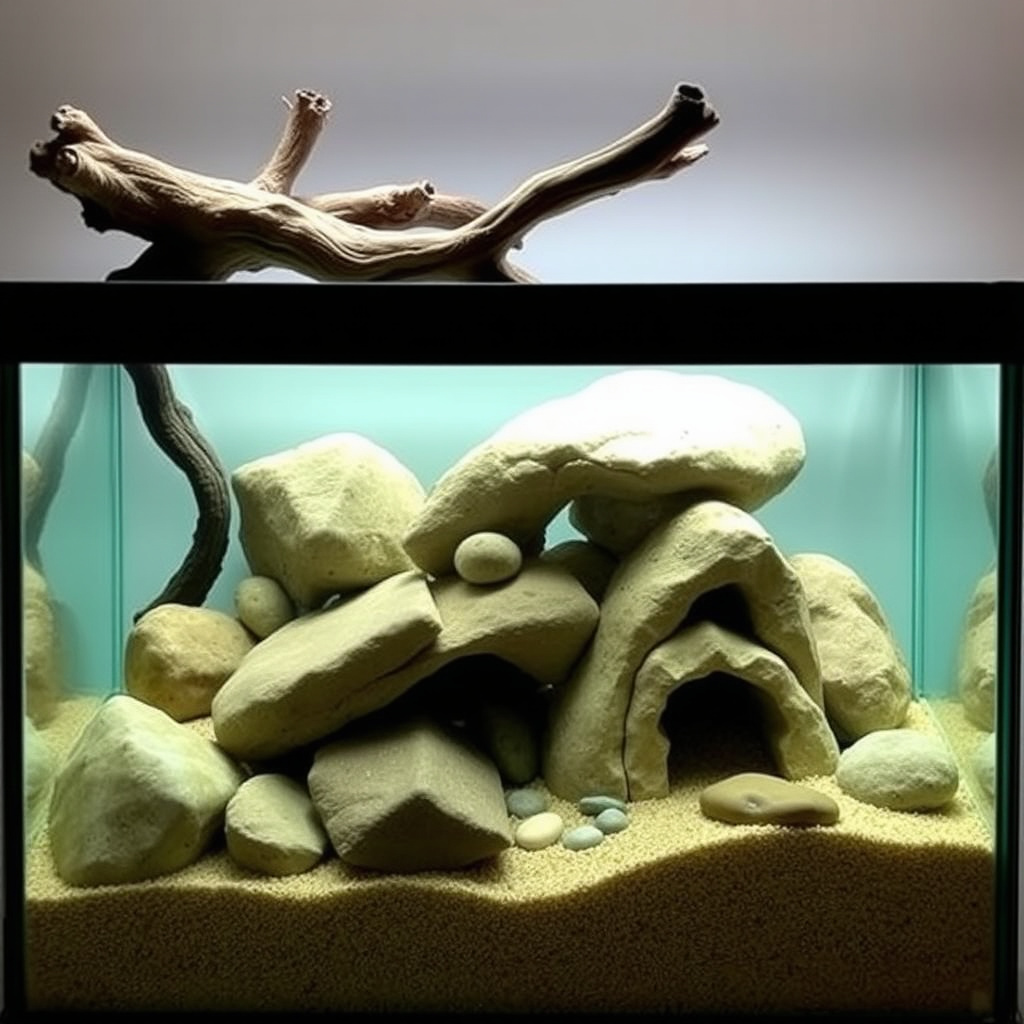
This theme is built around stacked rocks — limestone, slate, or cichlid stones — creating caves, ledges, and territories. Sand substrate keeps the look natural and suits cichlid digging behavior. Live plants are largely impractical here; artificial plants or none at all work better. Mbuna cichlids from Lake Malawi are the obvious choice. Difficulty: Beginner.

6. Minimalist / Iwagumi

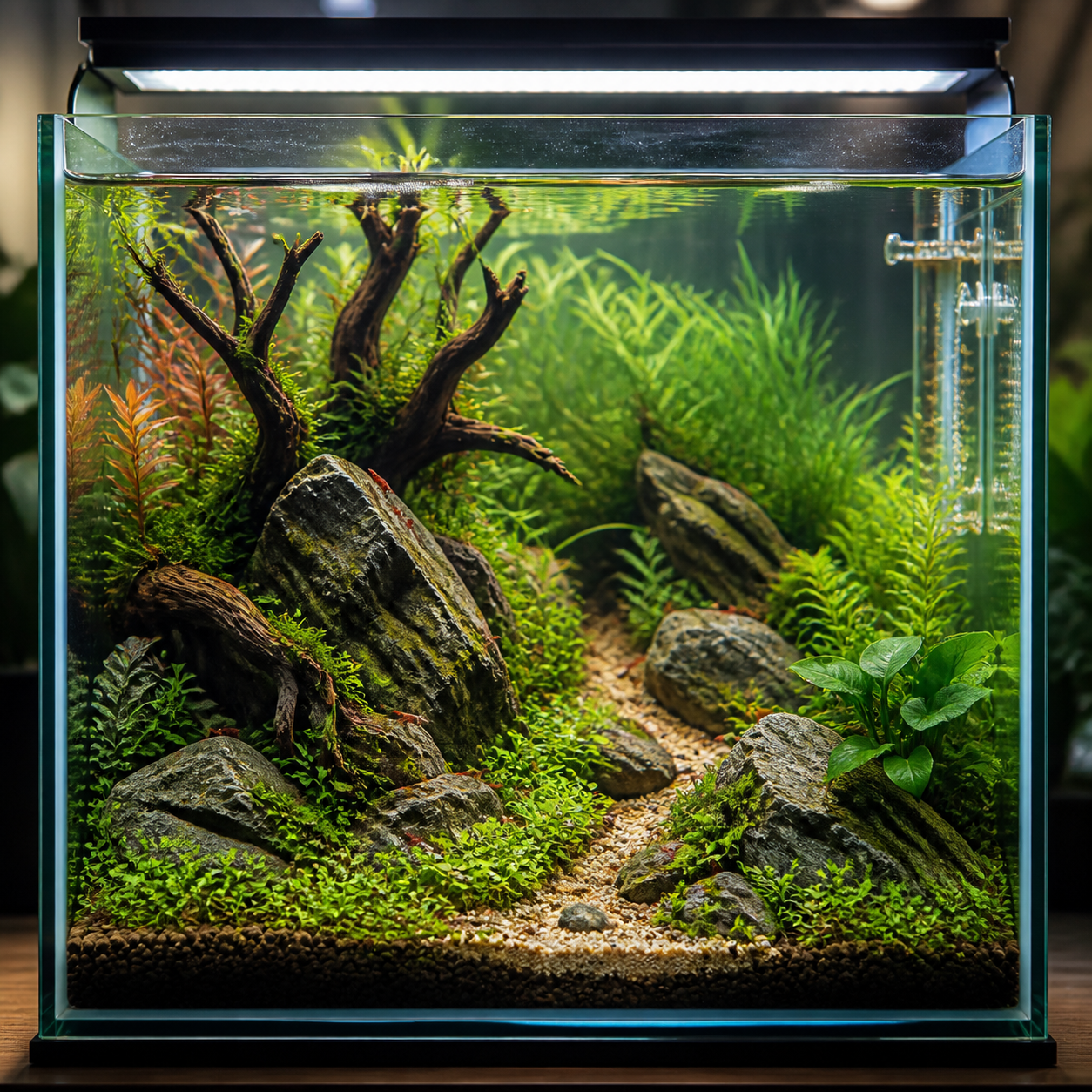
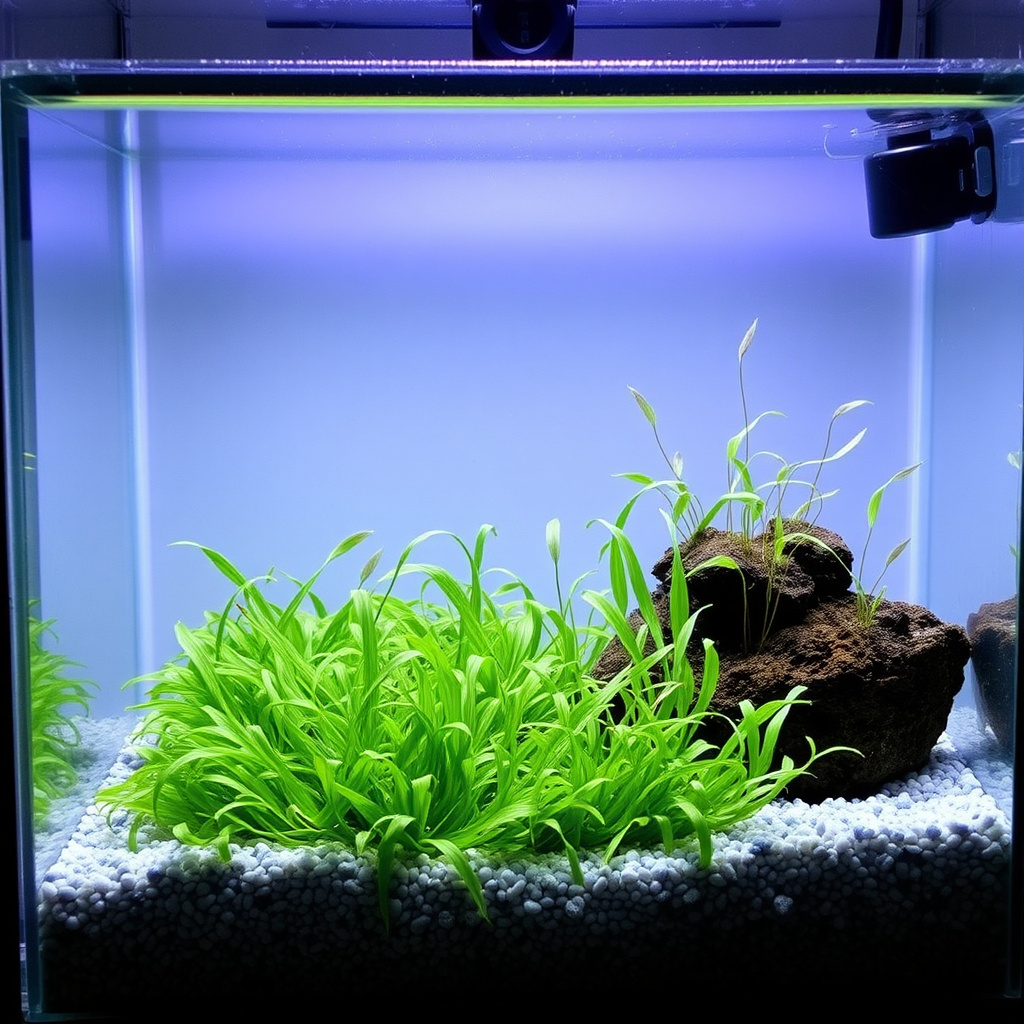
Iwagumi is a Japanese aquascaping style defined by a small number of carefully selected stones, a carpet of low-growing plants like dwarf hairgrass or Monte Carlo, and a lot of open space. The restraint is the point. It requires CO2 and quality lighting to keep the carpet dense, but the result is striking. Small schooling fish — nano tetras, ember tetras — suit the scale. Difficulty: Advanced.

7. Sunken Ruins / Ancient Civilization

Ceramic ruins, broken columns, mossy archways, and stone-textured ornaments define this theme. It's one of the most accessible setups because it relies heavily on decorative ornaments rather than live plants or precise aquascaping. Gravel or dark sand substrate works well. Almost any peaceful community fish fits the aesthetic. Difficulty: Beginner.

8. Fantasy / Colorful Cartoon

Bright resin ornaments, colored gravel, and novelty decorations make this the most playful option on the list. It's not trying to look natural — and that's fine. This theme is popular for children's rooms and office tanks. Artificial plants in vivid colors complete the look. Hardy fish like guppies, mollies, or platies thrive here. Difficulty: Beginner.

9. Blackwater / Tannin-Rich

Blackwater tanks use driftwood, dried Indian almond leaves, and peat to release tannins that stain the water a warm amber-brown. The effect is moody and atmospheric. This setup closely mimics the soft, acidic rivers of Southeast Asia and South America. Bettas, apistogramma cichlids, and chocolate gouramis are at home here. Difficulty: Beginner to Intermediate.

10. Seasonal / Holiday

Seasonal tanks swap out ornaments to match holidays — miniature Christmas trees, pumpkins, or spring flowers placed among the regular decor. The base setup stays consistent; only accent pieces change. It's a fun way to keep the hobby feeling fresh. Any community fish works since the theme is purely decorative. Difficulty: Beginner.

Best Decor Items to Bring Any Theme to Life

A few versatile decor elements work across nearly every freshwater theme and are worth investing in regardless of which direction you go.

Driftwood is the single most useful piece of aquarium decor available. It adds natural structure, releases beneficial tannins, and provides surface area for moss and biofilm. Spider wood, mopani, and cholla wood each have distinct shapes that suit different themes — spider wood for jungle setups, mopani for biotopes, cholla for blackwater tanks.

Rocks and stones — slate, dragon stone, seiryu stone — create hardscape that anchors a layout and gives fish shelter. Background panels (3D resin or printed vinyl) add depth without taking up interior space, which matters in smaller tanks.

For substrate, the choice shapes the entire look: white sand reads as clean and modern, dark gravel reads as natural and earthy, and aquasoil is essential for any serious planted setup. Matching substrate to theme is one of the easiest ways to make a tank look intentional from day one.

Matching Your Fish to the Right Theme

The most common mistake in themed tank setups is choosing decor first and fish second. Fish behavior, water parameter needs, and natural habitat should guide the theme — not the other way around.

Soft-water species like discus, cardinal tetras, and apistogrammas belong in biotope or blackwater setups where pH and hardness can be kept low. Placing them in a hard-water rocky cichlid tank — even if it looks great — creates chronic stress and health problems.

Digging fish like cichlids and loaches will rearrange sand and uproot plants. Themes that rely on precise plant placement (Iwagumi, Dutch) are a poor match. Themes built around hardscape — rocks, ornaments, driftwood — hold up much better to active fish.

Size matters too. A single oscar grows to 12–14 inches and needs open swimming space. Cramming one into a heavily planted jungle tank isn't fair to the fish, regardless of how the theme looks on paper. Always check adult size and swimming behavior before finalizing a theme for a specific species.

Tips for Maintaining a Themed Tank Long-Term

Keeping a themed freshwater tank looking sharp over months and years comes down to a few consistent habits.

Live plants need regular trimming to stay within the theme's visual boundaries. A jungle tank can absorb some overgrowth — that's part of the look — but an Iwagumi carpet that's gone patchy or a Dutch tank with leggy, untrimmed stems loses its defining character fast. Set a weekly trimming schedule and stick to it.

Algae is the enemy of any themed setup. Consistent lighting schedules (8–10 hours per day on a timer), regular water changes, and avoiding overfeeding keep algae from taking over. If green spot algae starts coating your rocks or ornaments, nerite snails handle it without disturbing the decor.

Ornaments fade and crack over time, especially cheaper resin pieces. Inspect them every few months and replace anything that looks worn — a crumbling ruin ornament in a sunken civilization tank undermines the whole effect. Keeping one or two spare pieces on hand makes swaps easy.

Finally, do a full "theme audit" every six months. Fish grow, plants spread, and decor shifts. A quick reassessment of whether the tank still matches the original vision — and a few small adjustments — keeps the setup looking deliberate rather than neglected.

Frequently Asked Questions

Can I mix themes in one freshwater tank?

You can blend elements from compatible themes, but mixing too many styles usually produces a cluttered result. A blackwater setup with some ruins-style ornaments works. A tank that's simultaneously Iwagumi, jungle, and fantasy doesn't. Pick one primary theme and use secondary elements sparingly.

What is the easiest aquarium theme for beginners?

The sunken ruins, fantasy, and rocky cichlid themes are the most beginner-friendly. They rely on ornaments and hardscape rather than live plants, require no CO2 or specialized lighting, and tolerate the water quality fluctuations common in newer tanks.

Do live plants work in all freshwater themes?

Not in all of them. African cichlid tanks are notoriously hard on live plants — most cichlids will uproot or eat them. Fantasy and seasonal tanks typically use artificial plants by design. Every other theme on this list can incorporate live plants at some level, though the required effort varies significantly.

How much does it cost to set up a themed freshwater aquarium?

A basic themed tank (fantasy, ruins, or cichlid) can be set up for $100–$200 including the tank, filter, heater, substrate, and decor. A high-tech planted theme like Iwagumi or Dutch style can run $400–$800 or more once you factor in quality lighting, CO2 equipment, and aquasoil. Budget themes are genuinely viable — the fish don't know the difference in price.

What substrate is best for a planted freshwater theme?

For any theme with live plants, nutrient-rich aquasoil (like ADA Amazonia or similar products) gives the best long-term results. It supports root growth and buffers water chemistry toward the slightly acidic range most freshwater plants prefer. For hardscape-only themes, plain gravel or sand is perfectly adequate and much cheaper.

{{HOMEPAGE_LINKS}}