The Benefits of Live Plants vs. Artificial Decor in an Aquarium

Choosing between live aquarium plants and artificial aquarium plants affects far more than the appearance of a tank. Your decision influences water quality, fish habitat, maintenance, lighting, substrates, safety, and the amount of time you spend caring for the aquarium.
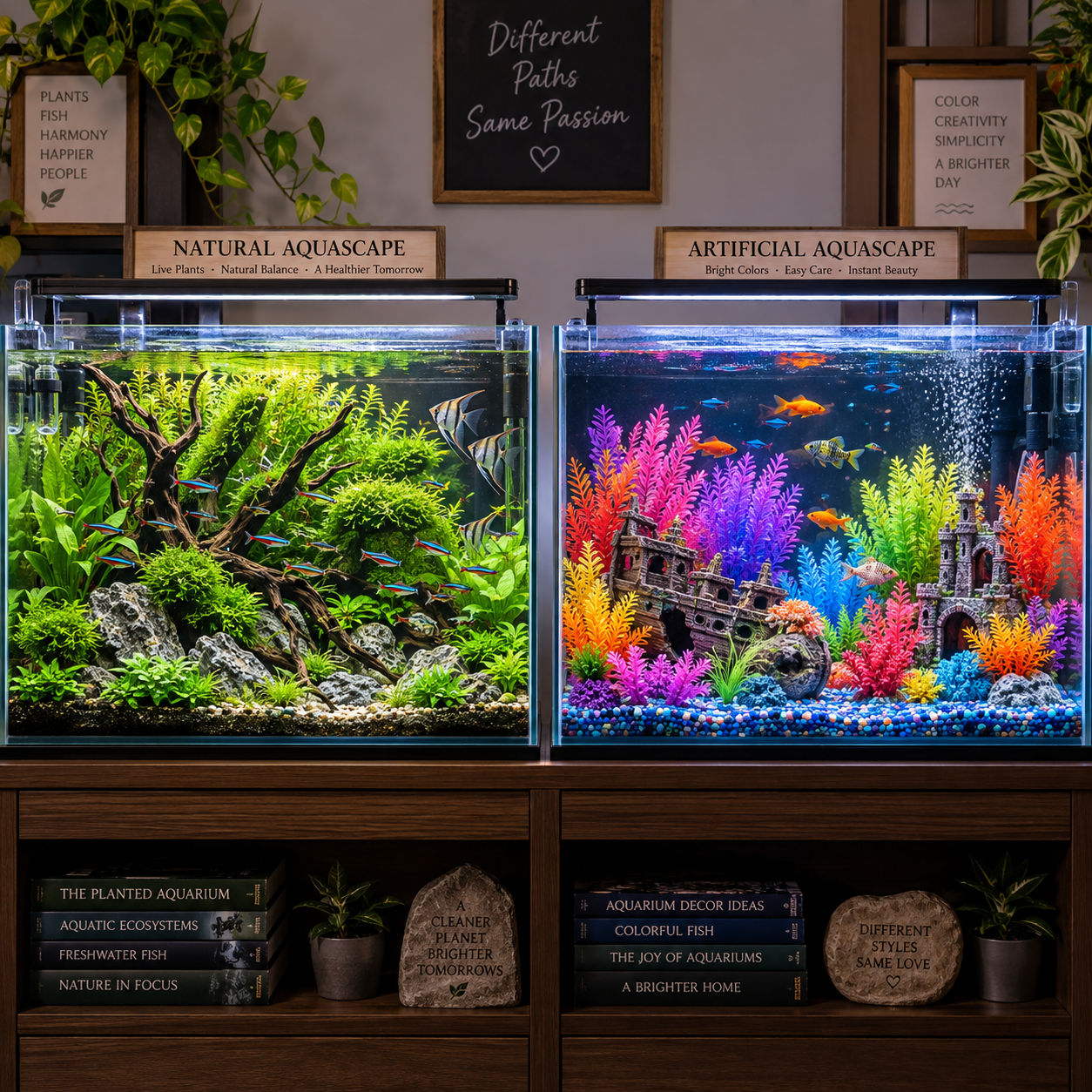
Live plants can create a natural environment and contribute to oxygen exchange and nutrient uptake. Artificial decor provides predictable styling, simple cleaning, and reliable durability. Neither option suits every aquarium, so the best choice depends on your fish species, equipment, experience, and design goals.
Live Plants vs. Artificial Decor: An Overview
Live aquarium plants support biological functions and natural behavior, while artificial decor mainly provides structure and visual appeal. Live plants grow, absorb some dissolved nutrients, and interact with the aquarium ecosystem. Artificial plants keep their shape and require no plant-specific lighting or substrate.
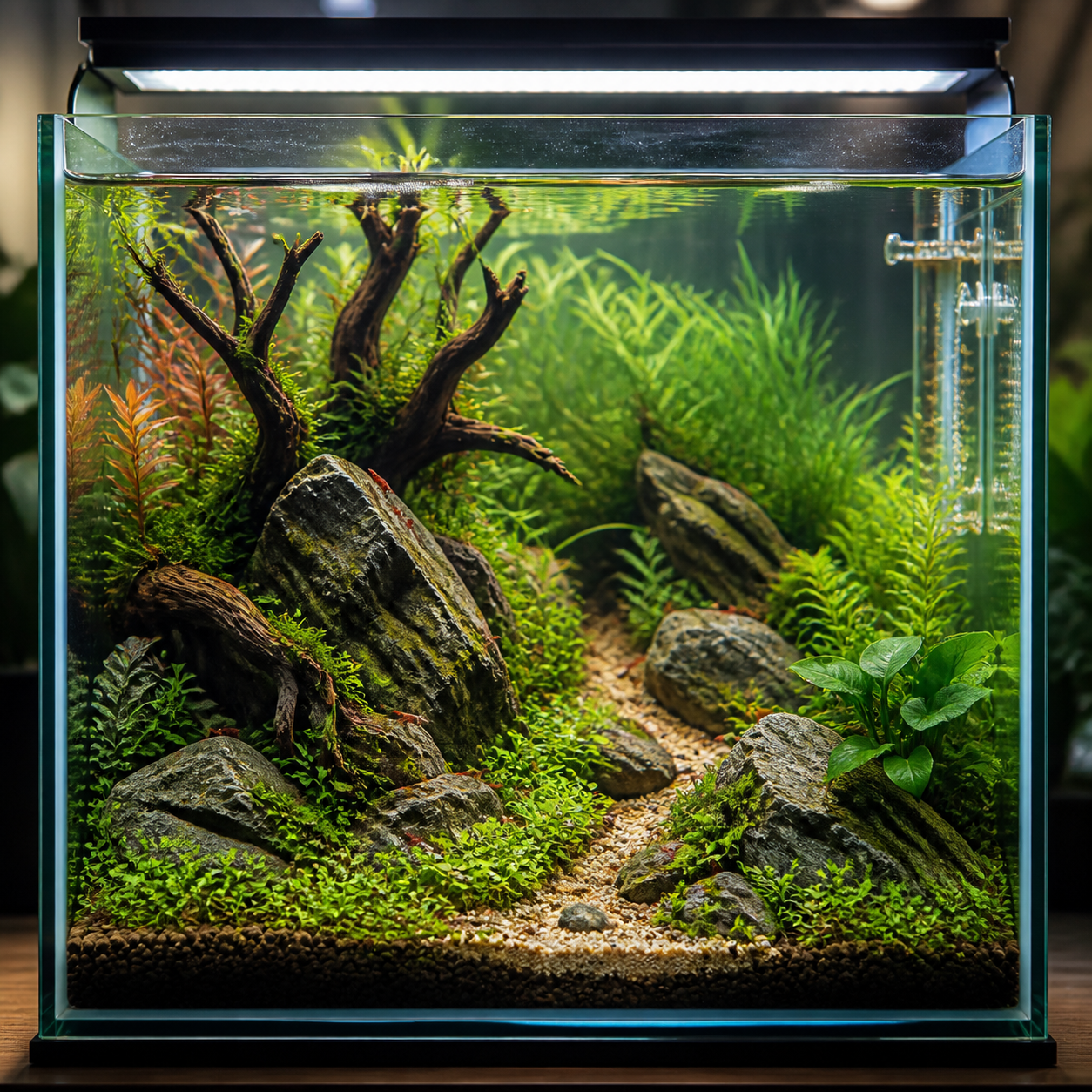
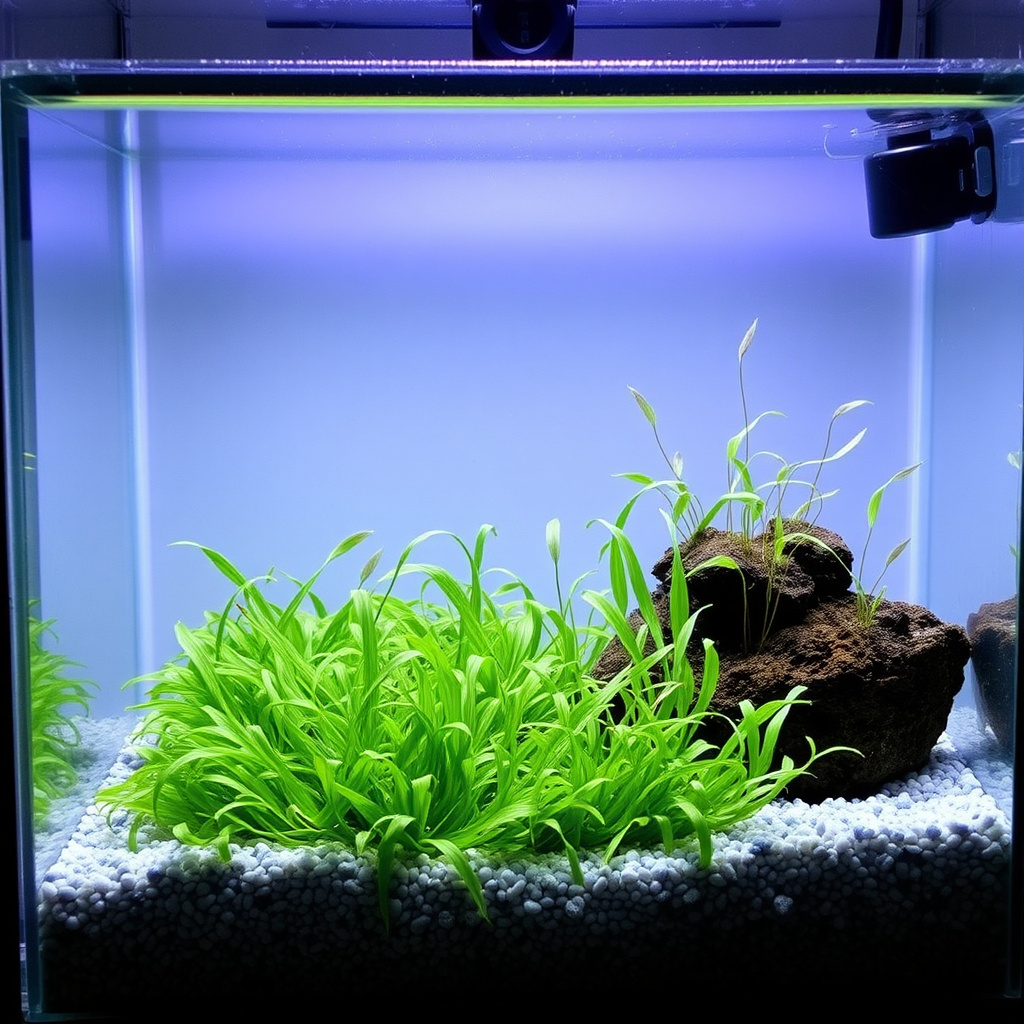
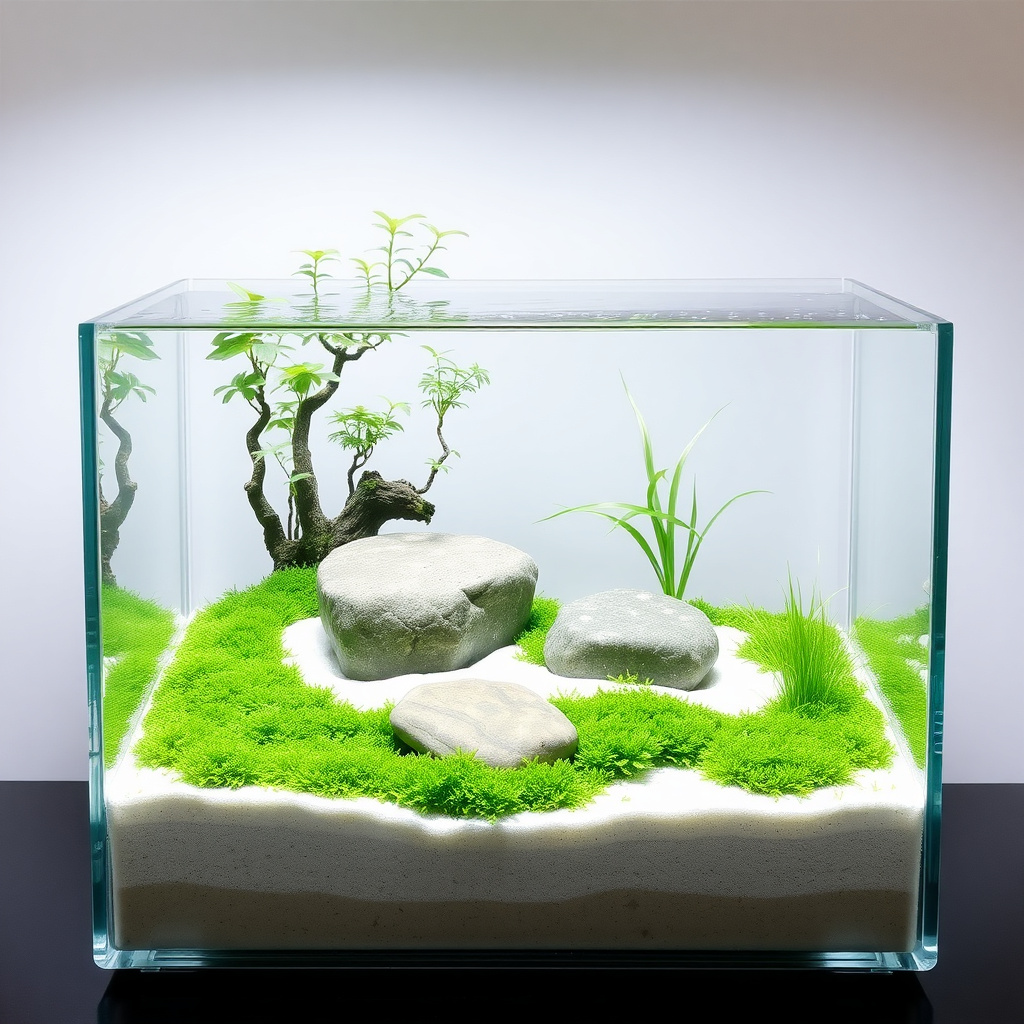
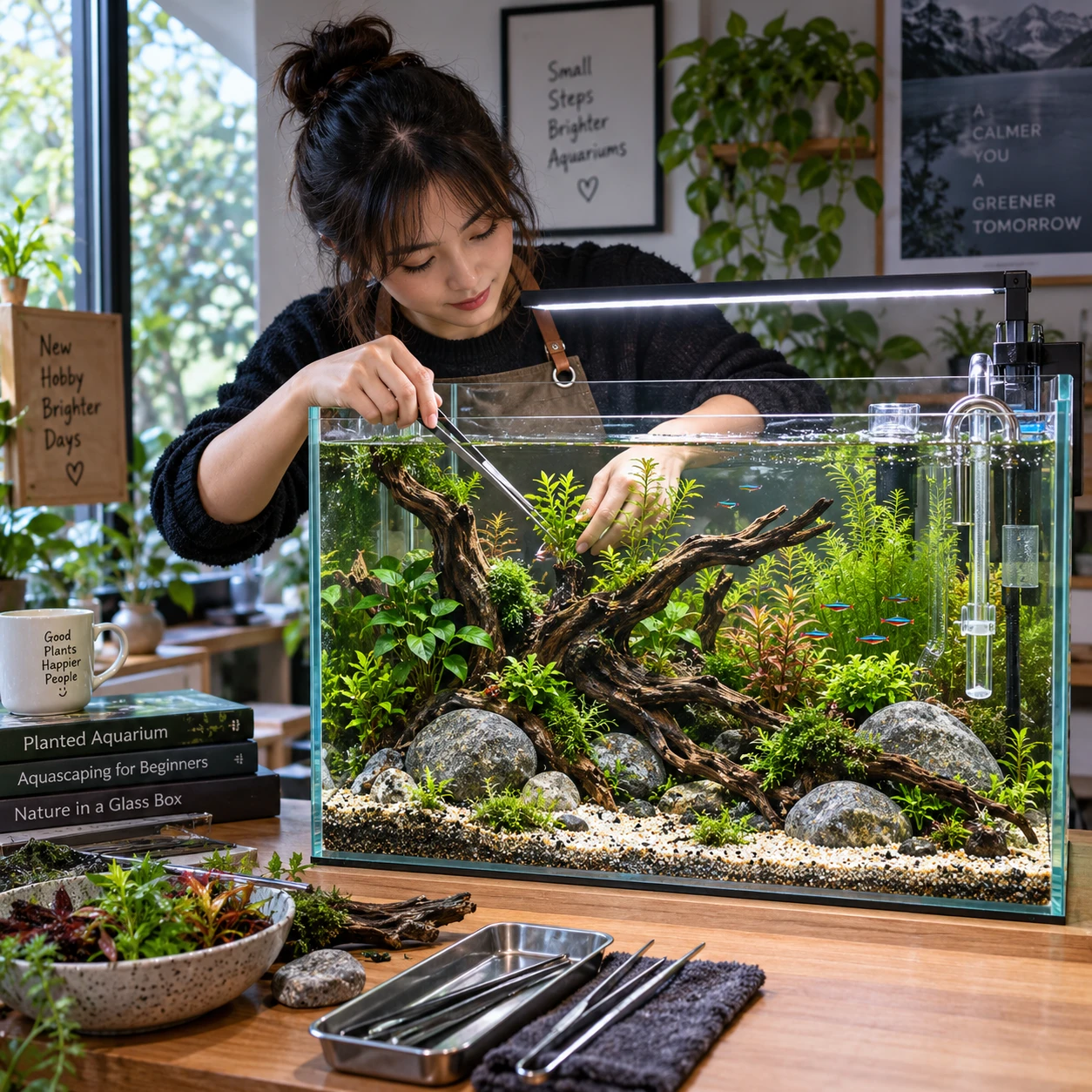
In aquascaping, live plants are often selected to form foreground carpets, midground groups, or tall background cover. They can soften the appearance of equipment and create shaded areas where fish feel secure. Artificial aquarium plants can produce a similar visual layout immediately, including colors and shapes that may be difficult to maintain with living species.
The central trade-off is function versus convenience. Live plants may contribute to water quality and fish enrichment, but they need suitable conditions and occasional care. Artificial decor is easier to control, although it does not photosynthesize, consume nutrients, or provide the same biological habitat.
- Live plants: natural growth, nutrient uptake, oxygen production during photosynthesis, and habitat complexity.
- Artificial decor: stable appearance, low plant maintenance, and compatibility with low-light setups.
- Both options: require safe materials, stable placement, and regular cleaning.
The Benefits of Live Aquarium Plants
Live aquarium plants can improve habitat quality, support nutrient management, and make an aquarium feel more natural. Their benefits depend on healthy growth, adequate lighting, appropriate water conditions, and a suitable planting environment.
Natural habitat and fish enrichment
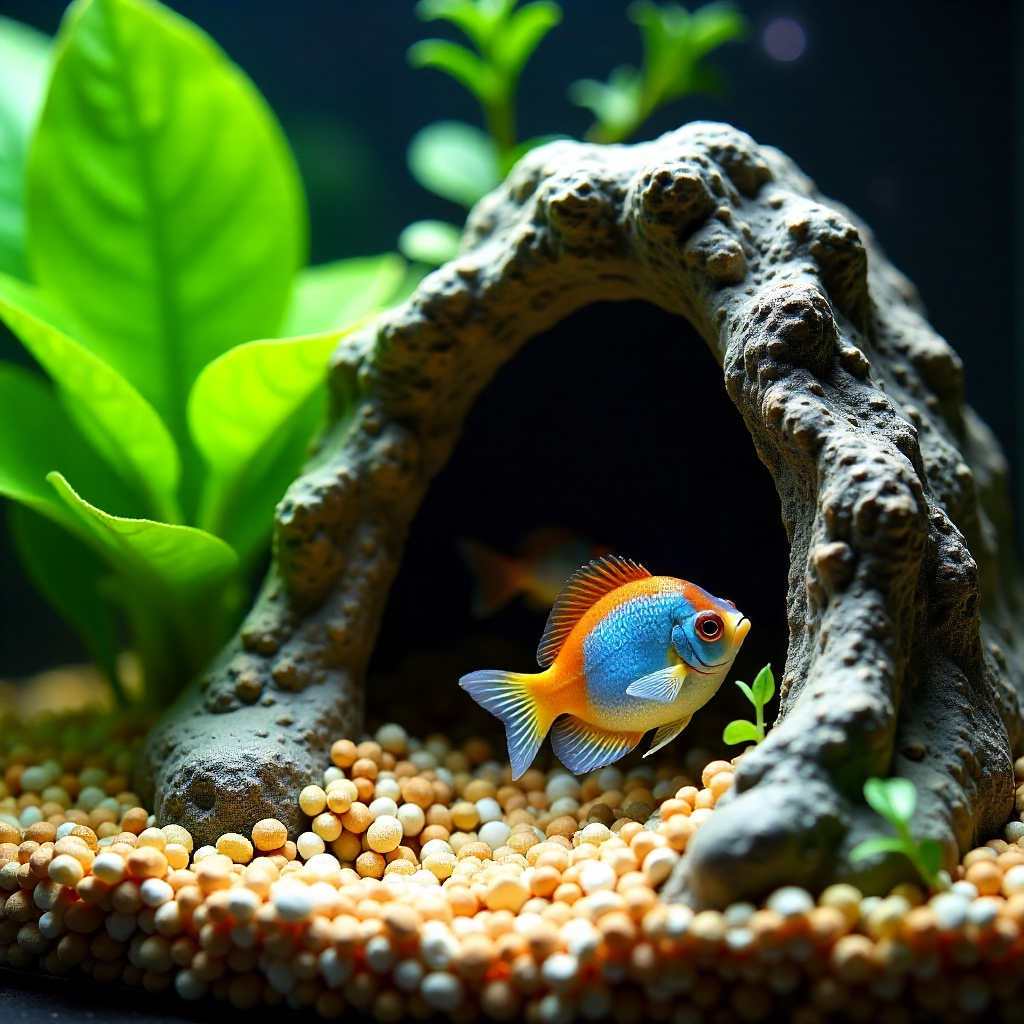
Plants create visual barriers, hiding places, spawning surfaces, and resting areas. Small schooling fish may behave more naturally around dense cover, while shy species often use plants to retreat from bright light or constant activity outside the tank. Floating plants can also reduce glare and provide shade.
Plant structure matters as much as plant quantity. Fine-leaved species offer cover for fry, broad leaves create perches, and tall stems divide open swimming space. Fish such as bettas, gouramis, tetras, and many livebearers may benefit from a layout that combines open water with planted shelter. Herbivorous or plant-nibbling fish require extra care because they can damage delicate leaves.
Water quality and oxygenation
Growing plants use light to photosynthesize, taking in carbon dioxide and releasing oxygen during the light period. They also absorb some nutrients, including nitrogen compounds, although live plants do not replace filtration, water changes, or proper biological cycling. At night, plants respire and consume oxygen, so heavily planted tanks still need adequate surface agitation and circulation.
Fast-growing species can help compete with algae by using available nutrients. The result varies with plant mass, lighting duration, carbon availability, feeding, filtration, and stocking level. A few struggling plants will contribute little and may decay, adding organic waste to the aquarium.
Visual depth and aquascaping flexibility
Live plants change over time, which gives an aquascape movement and seasonal variation. You can prune stems, divide rooted plants, and replant cuttings to refine the composition. That flexibility is rewarding, but growth can also make a carefully arranged tank look crowded within weeks.
Choose species according to the setup rather than appearance alone. Low-light plants such as Anubias, Java fern, and many Cryptocoryne varieties are often more forgiving, while demanding carpeting plants may need stronger lighting, nutrient-rich substrates, and additional carbon management.

Advantages of Artificial Aquarium Decor
Artificial aquarium decor offers consistent appearance, simple upkeep, and dependable performance in tanks where live plants may struggle. It is especially useful for low-light aquariums, temporary setups, quarantine tanks, and aquariums with fish that uproot or consume vegetation.
Artificial plants do not need specialized lighting, root tabs, plant fertilizer, or a nutrient-rich substrate. Their shape remains unchanged, so a layout designed today will look nearly the same months later. This predictability helps keepers who want a themed tank, strong color contrast, or a particular arrangement without pruning.
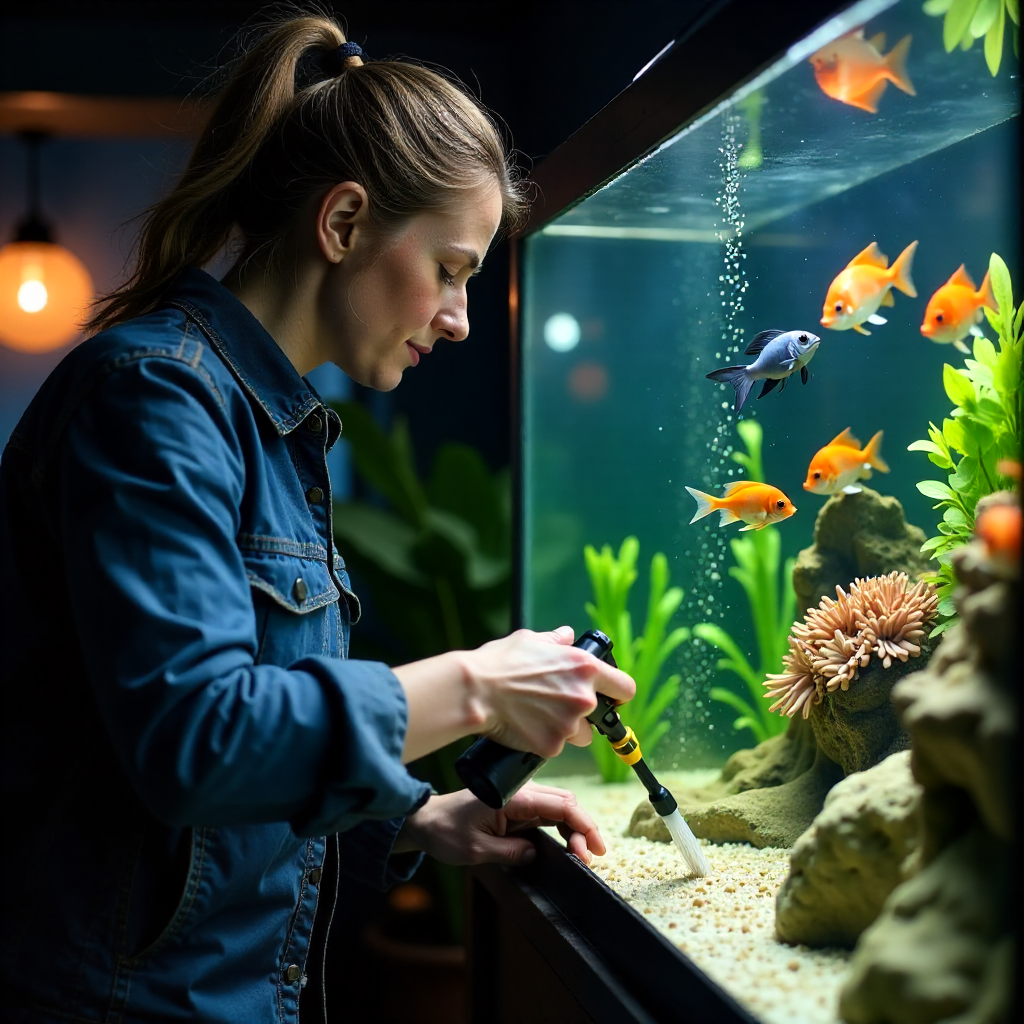
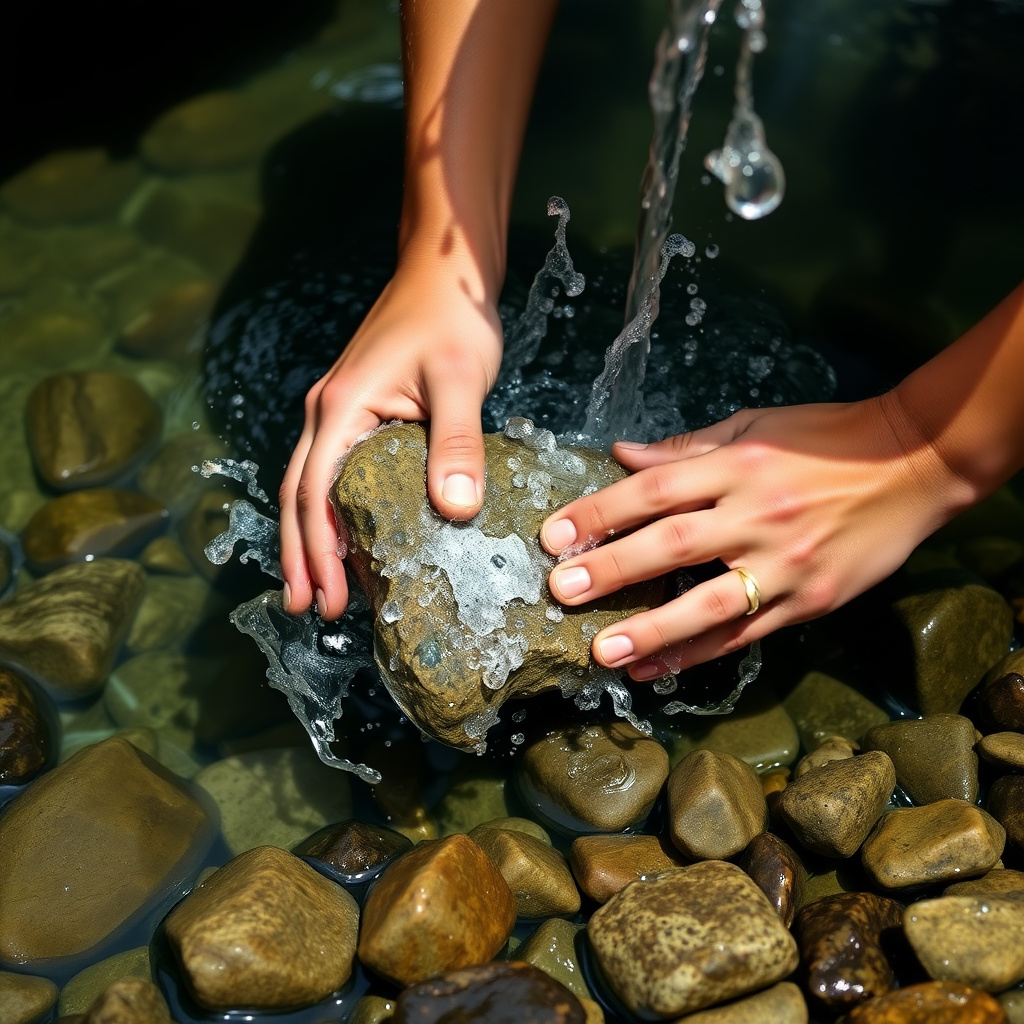
Cleaning is usually straightforward. Remove the decor during routine aquarium maintenance, rinse it in old tank water or treated water, and gently brush away algae. Avoid household soaps, detergents, and disinfectants that can leave harmful residues. Over time, inspect plastic leaves, coatings, and seams for peeling or deterioration.
The limitations are equally clear. Artificial plants do not improve water quality, produce oxygen, or absorb nitrate. Some inexpensive products have sharp edges, rigid wires, loose coatings, or dyes that can damage fins or leach unwanted substances. Aquarium-specific products made from fish-safe materials are a safer starting point than decorative items intended for other uses.
Comparing Maintenance, Cost, and Setup Requirements
Live plants usually require more planning and hands-on care, while artificial decor has simpler installation and more predictable long-term maintenance. The cheaper initial option is not always the least expensive over the life of the aquarium.
| Factor | Live aquarium plants | Artificial aquarium decor |
|---|---|---|
| Lighting | Must match plant requirements; excessive light may encourage algae. | Only needs to support fish viewing and the desired appearance. |
| Substrate | Rooted species may benefit from suitable sand, gravel, or planted substrate. | Any stable aquarium substrate can work if the decor is secure. |
| Routine care | Pruning, replanting, removing damaged leaves, and monitoring growth. | Occasional removal and cleaning; no growth management. |
| Replacement | Healthy plants can propagate, but losses may occur during poor conditions. | May last for years, though fading, cracking, or coating damage requires replacement. |
| Biological function | Can provide nutrient uptake, oxygen exchange, and habitat structure. | Provides structure and shelter only. |
For a live-planted aquarium, plan the lighting schedule, substrate depth, water flow, and fertilizer routine before buying plants. A timer helps maintain consistency, while testing ammonia, nitrite, nitrate, and pH reveals whether the overall system is stable. Artificial decor simplifies the plant side of the setup, but the aquarium still needs filtration, cycling, water changes, and algae control.
A useful decision rule is the CARE test: Conditions, Animal behavior, Routine, and Expectations. If your conditions support plants, your fish benefit from vegetation, you accept regular care, and you want a changing aquascape, live plants are a strong fit. If one or more of those factors is missing, artificial decor may be more practical.
Fish Safety and Compatibility Considerations
Fish-safe decor must have smooth surfaces, stable placement, non-toxic materials, and a design suited to the behavior of the species in the tank. Safety deserves priority over color, realism, or price.
Run a finger over artificial leaves, stems, ornaments, and attachment points before adding them. Remove anything with sharp seams, exposed wire, brittle plastic, loose glitter, or peeling paint. Fish with long fins, such as bettas and angelfish, are particularly vulnerable to snagging and tears.
Secure tall artificial plants and heavy ornaments so digging fish cannot topple them. Cichlids, loaches, goldfish, and some catfish may move substrate or investigate decor vigorously. Unstable items can crush fish, damage equipment, or block access to the filter intake.
Live plants also require compatibility checks. Fish may uproot freshly planted stems, eat soft leaves, or bury plants while digging. Use plant weights carefully, anchor rhizome plants correctly, and avoid burying rhizomes such as those of Java fern. Quarantine new plants when practical, because they can carry snails, algae, or pathogens from another system.
Leave open swimming lanes and avoid packing every corner. Good fish habitat includes cover, circulation, feeding access, and resting space. Observe behavior after installation and adjust the layout if fish hide constantly, struggle to swim, or repeatedly injure themselves.
Which Option Is Best for Your Aquarium?
The best option depends on fish behavior, tank conditions, available time, and the result you want from your aquascape. Use the following guide before purchasing decor.
- Choose live plants if you want a natural-looking habitat, enjoy aquascaping, have suitable lighting, and can manage pruning and plant health.
- Choose artificial decor if you need a low-maintenance design, operate a low-light tank, keep fish that destroy plants, or want a fixed appearance.
- Choose a mixed setup if you want biological benefits in selected areas but need durable structure elsewhere.
Match the choice to the fish
Peaceful community fish often work well with live plants and gentle artificial alternatives. Goldfish and large cichlids may require robust plants, protected roots, or artificial decor that can withstand digging and grazing. Shrimp benefit from fine plant surfaces and dense cover, while bottom-dwelling fish need open substrate areas for foraging.
Match the choice to your experience
Beginners can start with hardy live plants rather than assuming every living aquascape is demanding. Anubias, Java fern, and Cryptocoryne are common starting points, provided they receive appropriate care. A simple artificial layout is also valid when the priority is learning filtration, cycling, feeding, and water changes first.
Think in terms of a 30-day routine. If you can inspect plants weekly, remove damaged leaves, and adjust lighting when algae appears, live plants may fit comfortably. If you want to clean decor during regular water changes and avoid plant troubleshooting, artificial aquarium plants offer a calmer workload.
Combining Live Plants and Artificial Decor
A combination of live plants and artificial decor can balance natural habitat benefits with durability and design control. This mixed approach works well when the aquarium has different zones or when some fish make intensive planting difficult.
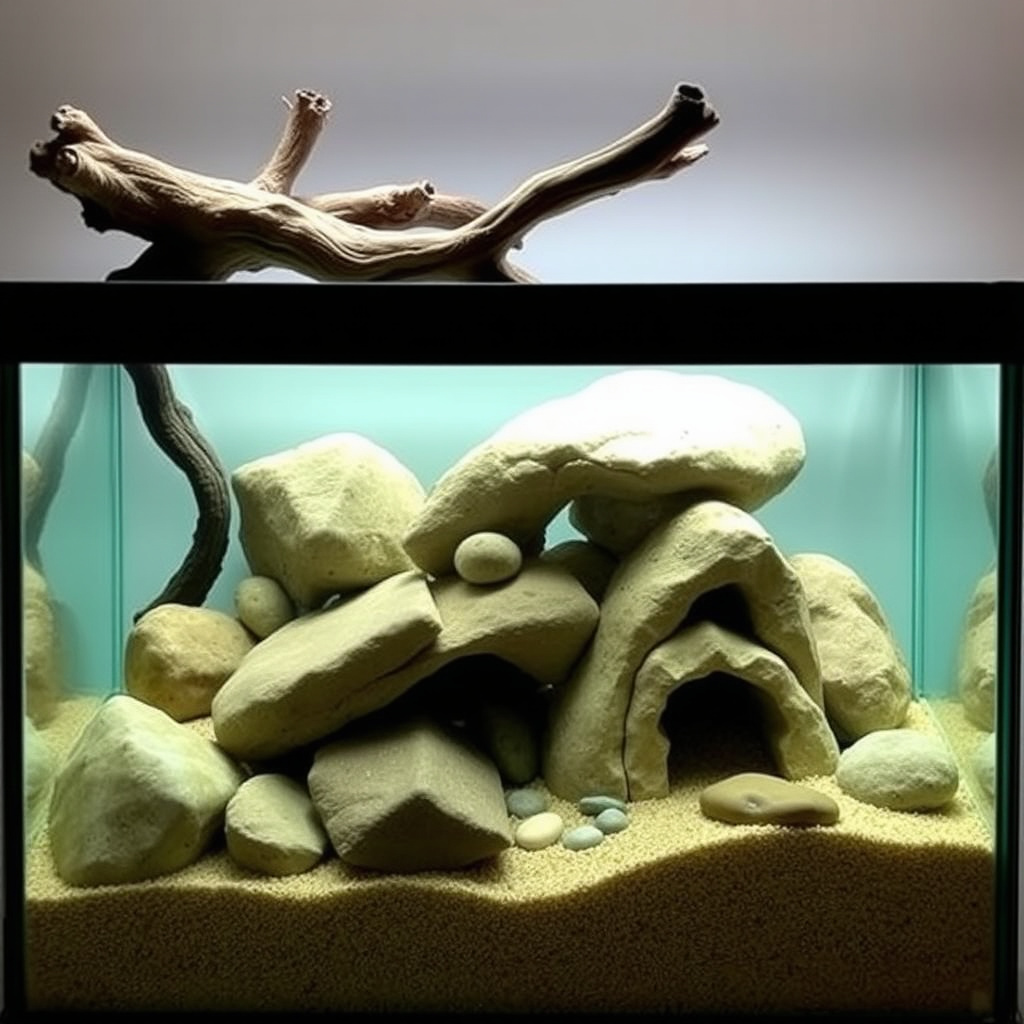
Place live plants in protected areas, such as behind driftwood or among smooth rocks, where roots are less likely to be disturbed. Use artificial plants to fill exposed background spaces, create visual height, or provide reliable cover in locations where living plants repeatedly fail.
Keep the materials visually compatible. Artificial plants with exaggerated colors can overpower a natural aquascape, while muted silk-style plants may blend more convincingly with live greenery. Leave enough room for growth, cleaning, and filter maintenance.
A mixed aquarium should still follow the same safety standards: inspect every item, anchor unstable pieces, maintain circulation, and remove damaged material promptly. The goal is a functional fish habitat with a manageable care routine, rather than a tank filled to capacity.
Frequently Asked Questions
Do live aquarium plants improve water quality?
Live aquarium plants can absorb some nutrients and support oxygen exchange during photosynthesis, but they do not replace biological filtration, water changes, or correct stocking. Their effect depends on plant health, growth rate, lighting, and the aquarium’s overall balance.
Are artificial plants safe for fish?
Artificial plants are safe when they are made for aquariums, have smooth edges, contain no loose coatings, and remain stable. Inspect them regularly and remove any item that cracks, sheds material, or snags fins.
Are live plants harder to maintain than artificial decor?
Usually, yes. Live plants may require suitable lighting, substrate, nutrients, trimming, and algae management. Artificial decor has fewer plant-specific demands, although it still needs cleaning and safety inspections.
Can live and artificial plants be used together?
Yes. Combining both types can provide natural growth and biological function in some areas while preserving durability and predictable structure in others.
Which option is better for beginner aquariums?
Either option can suit a beginner. Artificial decor reduces planting decisions, while hardy live plants can teach useful aquascaping skills without demanding equipment. Choose the option that leaves enough time and attention for the aquarium’s essential needs: cycling, filtration, water testing, feeding, and regular maintenance.